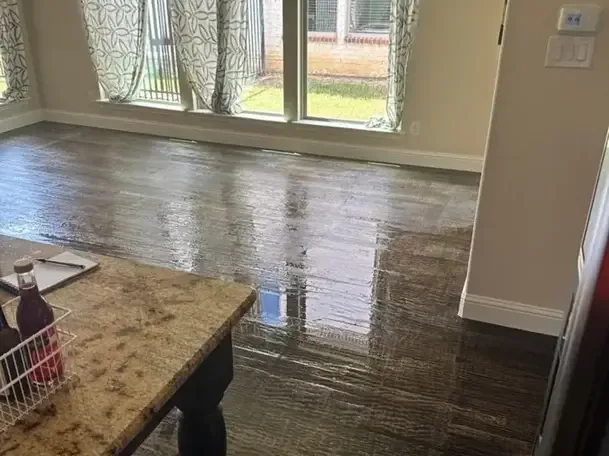
Appliance Leak Water Damage in Paramus, NJ
The mitigation crew checks the flooring and cabinets around a leaking washer, dishwasher or refrigerator. Source repair stops the release; extraction and targeted drying address moisture beneath the appliance and adjoining finishes.
(888) 471-9821Check appliance-water spreadHow appliance leak water damage is handled in Paramus
Appliance leak cleanup in Paramus separates supply water from used wash water, then follows the release under nearby finishes. The crew checks concealed cabinet spaces before deciding which materials can remain during drying.
First steps for appliance leak water damage
- 1
Pause the appliance
The household stops the cycle from a safe dry control location. Wet electrical controls remain untouched until a qualified specialist evaluates the appliance and surrounding area.
- 2
Limit the water feed
A reachable dry supply valve can stop additional water. The source specialist checks the hose, fitting, drain or internal component before the appliance returns to use.
- 3
Document nearby finishes
Photos capture cabinet swelling, floor seams and water trails before moving contents. The technician checks hidden edges to establish the full wet footprint.
- 4
Protect dry storage
The crew separates unaffected food, dishes and belongings from the work area. Equipment and waste routes stay clear of clean cabinets and everyday walking paths.
What does appliance leak water damage cost in Paramus, NJ?
Appliance leak mitigation typically ranges from $700 to $5,000 or more. Water category, concealed cabinet access, flooring layers and the affected area drive cost. Appliance repair, replacement and cabinet reconstruction are separate scopes.
Open floor release
- Localized water extraction
- Visible floor inspection
- Limited drying equipment
Cabinet or floor spread
- Toe-space access
- Underlayment checks
- Repeated moisture readings
Several assemblies wet
- Multiple cabinet sections
- Floor and wall removal
- Expanded drying scope
Compare the scope with the water damage cost calculator. The restoration company prices the inspected damage, material access and equipment needs separately from source repairs, replacement finishes and contents work.
The appliance leak water damage process
- 1
Identify the appliance release
The technician records the cycle, source condition and water contacts. Supply leakage and used-water discharge lead to different material decisions. Safe appliance access and electrical status set the first work boundaries.
- 2
Remove water and inspect recesses
The crew extracts pooled liquid and checks behind the appliance, beneath toe kicks and across floor transitions. Selective access reveals wet layers that cannot dry through a closed cabinet or impermeable covering.
- 3
Dry the retained materials
The drying team targets exposed floor, cabinet and wall surfaces with controlled airflow and dehumidification. Repeat measurements distinguish improving material from swollen panels that still require replacement after moisture removal.
- 4
Verify and coordinate reconnection
Final readings document the retained assembly before repair work closes access. The appliance specialist checks operation and connections separately. The written scope identifies mitigation, appliance repair and replacement finishes without blending their responsibilities.
A dishwasher can leave water under cabinetry while the visible kitchen floor appears nearly dry. A washer hose can release water across several rooms. Houses near Van Saun County Park, properties off East Ridgewood Avenue and businesses on Route 17 need the appliance source and wet assembly inspected as separate parts of the loss.
Supply leakage differs from used-water discharge
A refrigerator supply connection releases water differently from a washing-machine drain overflow. The technician identifies the source, time wet and materials contacted before setting the cleanup category. Clear appearance does not replace that investigation.
The appliance specialist repairs the failed component and confirms its operation. The restoration crew checks flooring behind and beside the appliance without pulling it across a wet floor or stressing its connections. Safe removal can expose a larger wet area than the doorway view suggests.
- Record which appliance cycle preceded the leak.
- Identify supply water versus used wash water.
- Inspect the appliance recess and cabinet bases.
- Check nearby outlets before moving equipment.
Cabinets can hide the drying boundary
Water can collect beneath toe kicks, soak particleboard and migrate under a continuous floor covering. The crew checks the base panels, side walls and subfloor, then opens access where the assembly traps moisture. Swollen materials may need replacement even after their moisture content falls.
The EPA WaterSense program provides household leak information. The Ready.gov emergency planning page helps households prepare for disrupted rooms and utilities. Restoration records should show why a cabinet or floor section needed access rather than only the visible puddle.
Drying around a working household
The team separates the equipment area from dry storage and walking routes. Appliances stay out of service until the source specialist clears their operation and the restoration setup permits safe use. Repeated washing or dishwashing can add humidity or renew a leak during the dry-out.
The final check compares the affected floor, cabinet edges and adjoining walls with dry references. Repairs then address damaged finishes and appliance reconnection. The claim record keeps the source finding, material decisions and drying log together so the sequence remains easy to follow.
- Keep wet contents out of dry cabinets.
- Track readings beneath floor transitions.
- Record swollen or delaminated panels.
- Coordinate reconnection with safe drying access.
Do not pull a wet appliance by its cord
Occupants keep away from wet plugs and controls. A safely accessible water valve can limit a supply release, but moving a heavy appliance through pooled water can damage connections and expose electrical hazards. Qualified workers handle isolation and access. The restoration crew records the surrounding water path before extraction and checks cabinets, wall bases and flooring beneath the appliance. The technician checks drying progress inside the toe space with material readings. The team uses readings to decide where access is needed and keeps the appliance out of operation until the repair and work-area conditions allow safe use.
Appliance leak water damage coverage
The restoration team covers homes and businesses across the borough, including the Route 4 and Route 17 corridors, with service in ZIP codes 07652 and 07653.
Appliance Leak Water Damage questions
Is dishwasher water treated like a refrigerator supply leak?
The crew assesses the actual source and contacts. Used dishwasher water can carry contaminants, while a fresh supply leak has a different starting condition. Time and materials contacted can change the cleanup category.
Can water stay hidden under cabinets?
Yes. Toe spaces and cabinet bases can hold water beyond the visible pool. The technician measures those areas and opens access when needed, rather than assuming that wiping the kitchen floor reaches the entire loss.
Will drying restore a swollen cabinet panel?
Drying removes moisture but does not reverse every physical change. Swollen particleboard or delaminated panels may need replacement. The crew records their condition separately from the moisture readings used to verify the retained structure.
Can the appliance run during drying?
The source specialist must first confirm safe operation, and the drying setup must permit safe access. Restarting an unresolved appliance can release more water and interrupt the equipment arrangement or protected work route.
Why check the room beside the kitchen?
Water can move beneath continuous flooring or through wall-base gaps. Readings at thresholds and adjacent surfaces help identify concealed spread. The final drying boundary follows those measurements rather than the appliance room label.
Does a small hose drip need prompt attention?
Persistent dripping can keep cabinets and flooring wet without producing a large puddle. The response team accepts appliance-loss requests 24/7. Source repair and moisture checks help identify the extent before finishes conceal additional damage.
Water under cabinets needs access
The 24/7 restoration response follows appliance water into the building materials around it.