Storm Flood Cleanup in Paramus, NJ
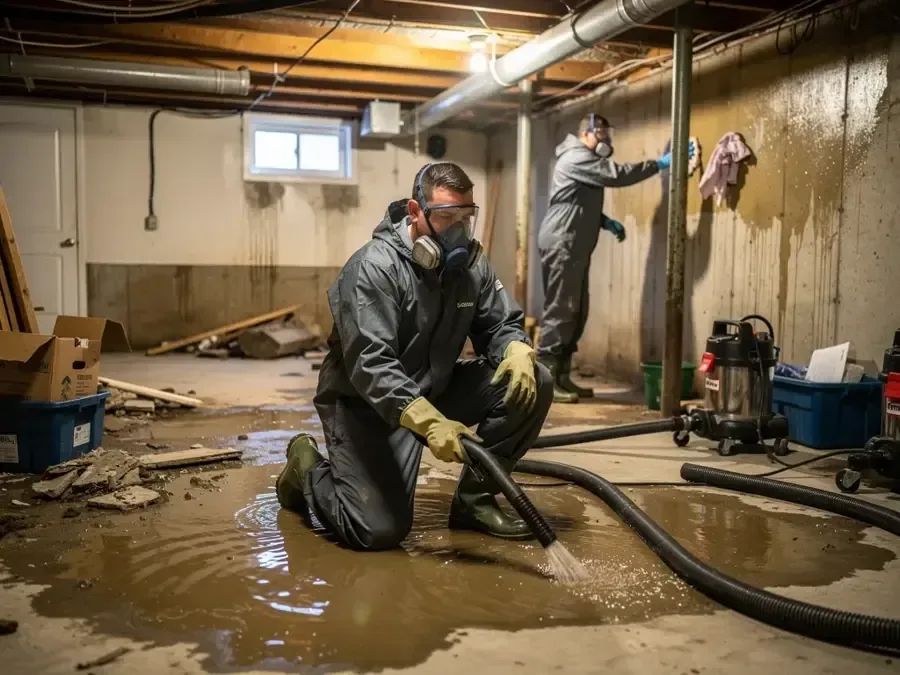
The flood cleanup crew isolates water-affected space, removes contaminated porous material and cleans exposed surfaces before drying. Safe entry and the outdoor water level guide pumping and access decisions.
(888) 471-9821Assess incoming floodwaterHow storm flood cleanup is handled in Paramus
Storm flood cleanup in Paramus begins with the route water took into the property. The team distinguishes continuing outdoor entry from water already trapped indoors, then plans removal and drying around contamination and structural safety.
First steps for storm flood cleanup
- 1
Keep people out of the water
Flooded areas remain restricted when electrical, contamination or stability hazards are present. The team evaluates a dry approach before bringing pumps and removal equipment inside.
- 2
Record the entry points
Safe photographs show doorways, wall openings, drains and water marks. The inspector uses these details to distinguish continuing entry from water trapped after the event.
- 3
Separate clean belongings
Dry contents stay outside the contaminated work route. The crew inventories wet materials before disposal and controls movement between affected and unaffected rooms.
- 4
Wait for safe pumping direction
Deep below-grade water requires an assessment of outside pressure and structural conditions. The removal sequence follows that assessment rather than the fastest available pump rate.
What does storm flood cleanup cost in Paramus, NJ?
Storm flood mitigation commonly ranges from $2,500 to $12,000 or more. Water depth, contamination, affected area, porous-material removal and equipment access determine the scope. Repairing exterior drainage or rebuilding finishes adds separate work.
Limited entry area
- Controlled water removal
- Localized contaminated materials
- Cleaning and drying checks
Several affected rooms
- Broader material removal
- Protected waste route
- Multiple drying positions
Deep or extensive flooding
- Pumping and access planning
- Large contaminated footprint
- Extended structural monitoring
Compare the scope with the water damage cost calculator. The restoration company prices the inspected damage, material access and equipment needs separately from source repairs, replacement finishes and contents work.
The storm flood cleanup process
- 1
Assess safe access and entry
The inspector documents water source, indoor depth and current exterior conditions. Electrical and structural concerns set the access limits. The team identifies which rooms need restriction before any pumping or contents movement takes place.
- 2
Remove contaminated water and materials
Pumps and extraction equipment reduce the liquid load while controlled removal addresses unsuitable porous finishes. The crew maintains a clean route for waste and records the material condition before disposal changes the scene.
- 3
Clean the exposed structure
Physical cleaning removes soil and residue from remaining surfaces. Product selection and dwell time follow label directions where antimicrobial treatment is appropriate. The crew checks hidden recesses before opening the area to drying airflow.
- 4
Monitor drying and prepare repairs
The team tracks moisture in remaining structural materials and adjusts equipment to their response. Final readings, cleaning records and removal photos support the repair scope. The project moves toward reconstruction after the wet assembly has been evaluated.
Water entering at a low doorway or below-grade opening carries a different cleanup burden from a fresh supply leak. Dirt and debris can remain after the pool disappears. The Saddle River, Easton Tower and Red Mill Road are local landmarks; the technician assesses the actual property entry point and current conditions before defining the flood scope.
Separate outdoor entry from indoor spread
The crew records threshold, wall and drain entry points, along with the height reached inside. Exterior conditions matter when groundwater or floodwater remains high. A deep basement pump-out needs a structural assessment rather than an automatic rapid drain-down.
Borough Public Works manages stormwater systems. Interior flood cleanup addresses the water and contamination left in occupied space. The team does not assume that every wet property shares the same drainage mechanism or that a nearby river establishes its flood zone.
- Identify ongoing water entry before drying.
- Photograph debris and the indoor water mark.
- Restrict access to contaminated rooms.
- Check wet utility equipment with qualified specialists.
Removal and cleaning precede airflow
Outdoor floodwater can contaminate carpet, padding, insulation and wallboard. The crew contains the affected area and removes porous materials that cannot be safely restored. Hard surfaces need physical cleaning before any antimicrobial product is applied according to its label.
The Ready.gov flood safety information covers safe actions around floodwater. The EPA flood cleanup information explains moisture and cleanup considerations. Large air movers are introduced only after the contamination controls and cleaning scope are established.
Dry the structure after the cleanup
Once the source and contaminated material are addressed, the drying team measures remaining wood, masonry and floor assemblies. Dehumidifiers manage the vapor load while airflow reaches accessible wet surfaces. Dense or layered material requires repeated checks rather than a fixed calendar promise.
Properties along Route 4 include commercial spaces with stock and customer routes to protect. The work plan separates affected and unaffected areas and records discarded inventory independently from building materials. Daily readings document progress, while the final scope identifies any further repairs needed.
- Keep contents and building records distinct.
- Measure the wall above the visible water mark.
- Document cleaning and removal boundaries.
- Confirm dry materials before reconstruction.
Floodwater is an access hazard
Occupants avoid walking or driving through floodwater and stay away from wet electrical equipment. The cleanup team needs safe access, stable materials and a suitable disposal route before pumping. A water mark can understate the height of moisture in porous walls, so the inspection extends above it. Sewage or outdoor contamination also changes handling and removal decisions. Household fans should not spread air through a dirty wet room before the cleanup plan is established. The crew controls the work area, documents conditions and cleans exposed surfaces before structural drying begins. Re-entry depends on the actual hazards and the progress of the work.
Storm flood cleanup coverage
The restoration team covers homes and businesses across the borough, including the Route 4 and Route 17 corridors, with service in ZIP codes 07652 and 07653.
Storm Flood Cleanup questions
Is outdoor floodwater handled differently from a supply leak?
Yes. Outdoor water can carry soil, sewage and other contamination. The crew assesses exposed materials and uses containment, removal and cleaning before drying. Clear-looking floodwater still requires an assessment of its route and contacts.
Can flooded carpet be dried and kept?
Carpet and padding exposed to contaminated outdoor water usually require removal. The crew evaluates the entire floor assembly, including what lies beneath. Drying the visible carpet does not remove contamination from the pad or subfloor.
Should a deep basement be pumped immediately?
A specialist first assesses exterior water pressure, structural condition and safe electrical access. Rapidly lowering interior water while outside pressure remains high can create additional risk. Pumping follows the conditions at the property.
Does the flood boundary stop at the water mark?
Porous materials can absorb moisture above the visible mark. The technician measures higher wall sections and adjoining spaces, then sets the removal and drying boundaries from the actual readings and contamination assessment.
What records help a flood claim?
Photographs, water-depth observations, material inventories, removal records and drying logs help describe the loss. Flood coverage and other policy terms require review with the insurer. The restoration team documents conditions without deciding coverage.
Can the cleanup start at night?
Flood response requests are available 24/7, but safe access and ongoing outdoor conditions control the work sequence. Occupants remain clear of floodwater and wet utilities while the team evaluates entry, pumping and contamination hazards.
Floodwater receded, wet materials remain
The 24/7 team handles extraction, controlled removal and drying measurements after safe access is established.