Water Damage Restoration in Maywood
A wet doorway can hide a much larger loss beneath the floor. Maywood property owners need the source stopped, the water removed and the concealed edges checked before repairs cover them.
(888) 471-9821Discuss this Maywood water lossDescribe the affected rooms, the apparent source and any access hazards when requesting an assessment of the property.
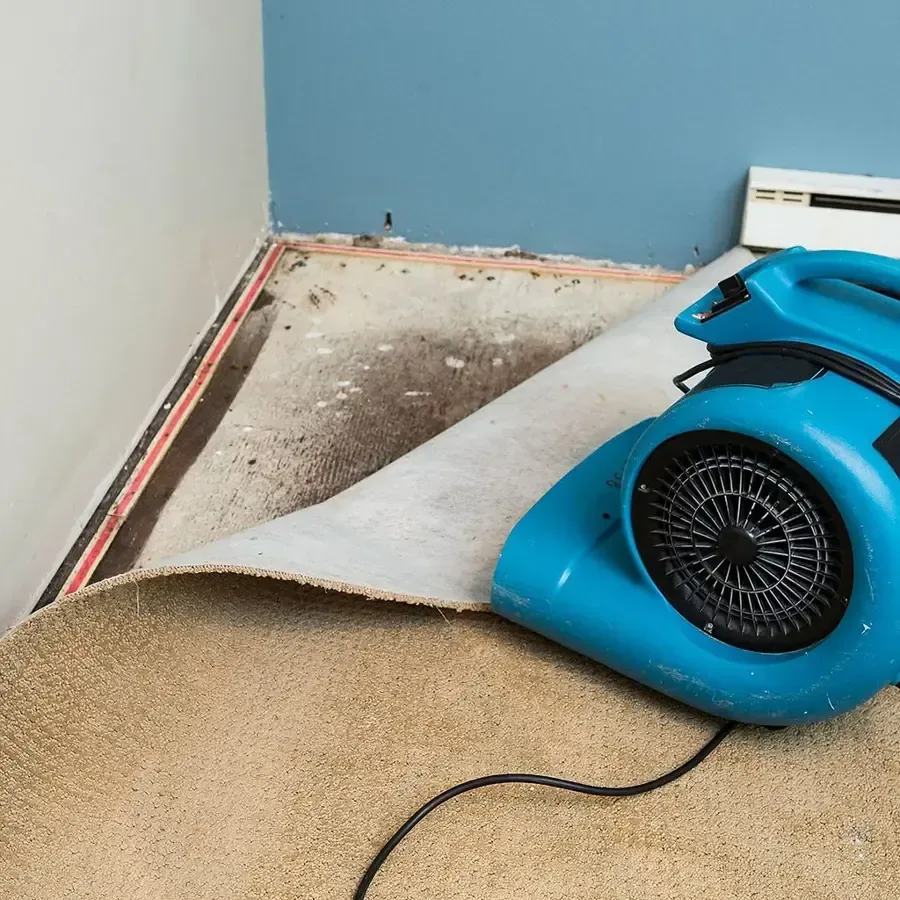
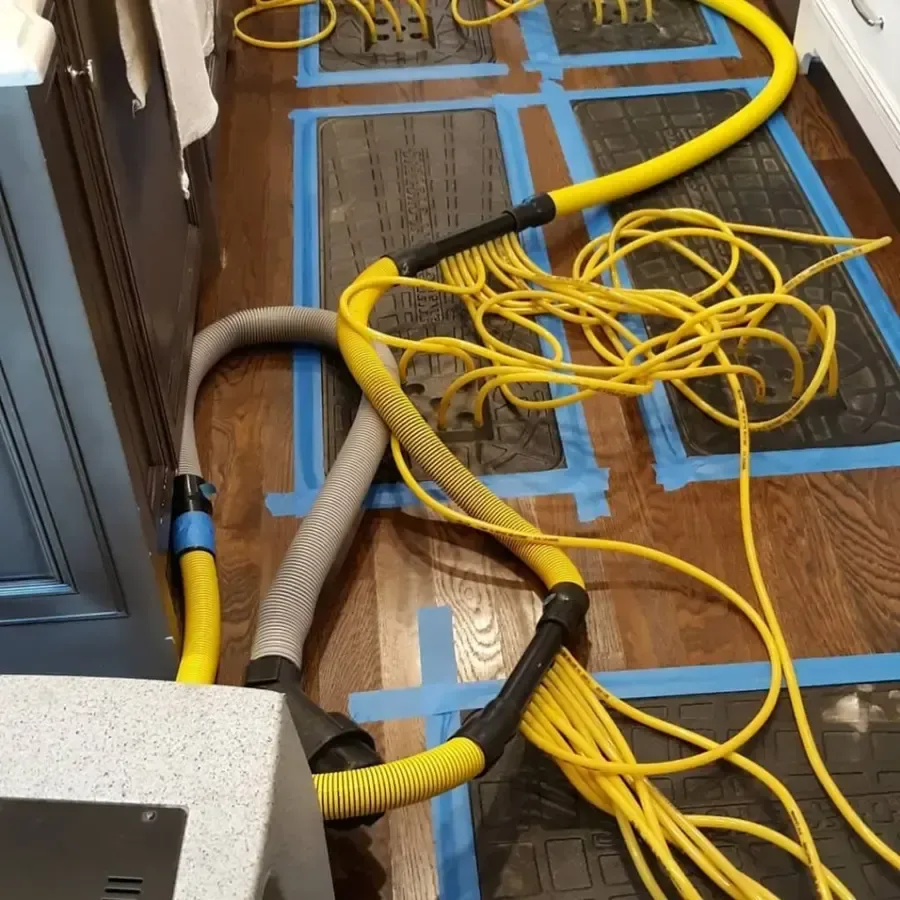
A clear scope before finishes go back
Useful cleanup separates source repair, wet material removal and drying into understandable decisions. Each decision should identify the affected area and explain what happens before that area can close again.
Visible boundaries
An inspection follows moisture past the obvious puddle and records where dry materials begin, including concealed edges that need further access.
Material choices
Carpet backing, wood, insulation and wallboard respond differently to water; the plan identifies what can remain and what requires removal.
Measurable drying progress
Repeated readings show whether equipment reaches the damp assembly instead of relying solely on the feel of its exposed surface.
Clear repair handoff
The final record explains drying results and outstanding repairs so rebuilding can proceed with useful information about the opened areas.
Cleanup shaped by where the water traveled
An overflowing fixture and rain entering a roof require different decisions. Select the problem below to understand the materials, access and cleanup involved.
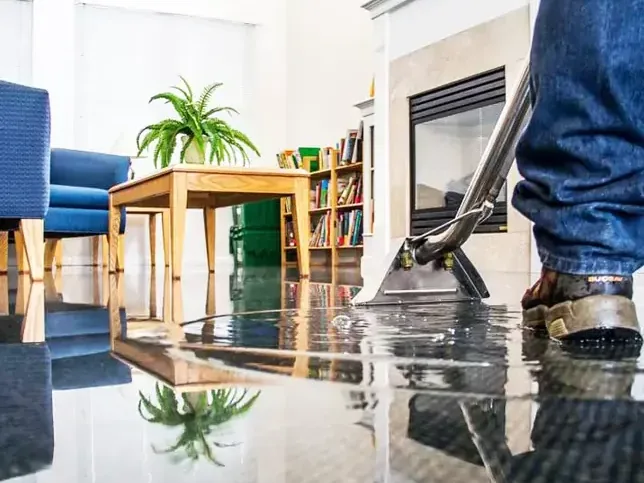 Water ExtractionStanding water needs a removal route that protects dry rooms while reaching soaked carpet edges and low floor areas.
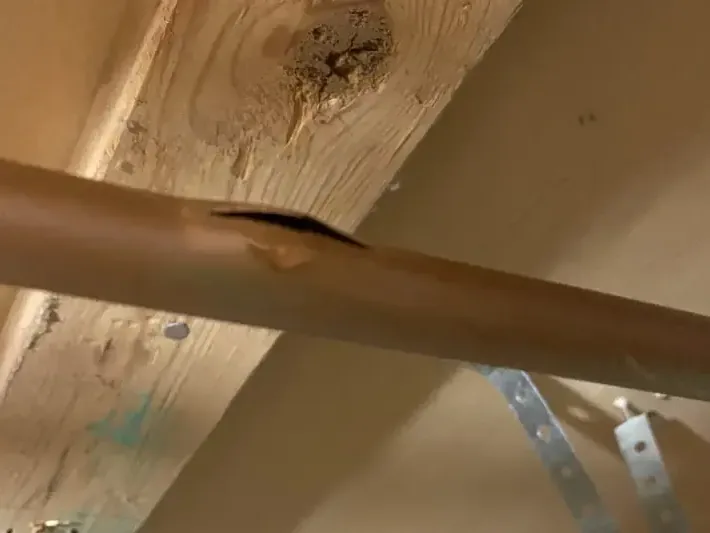 Burst Pipe Water DamageA ruptured supply pipe can wet several spaces before discovery. Cleanup follows the released water beyond the visible break.
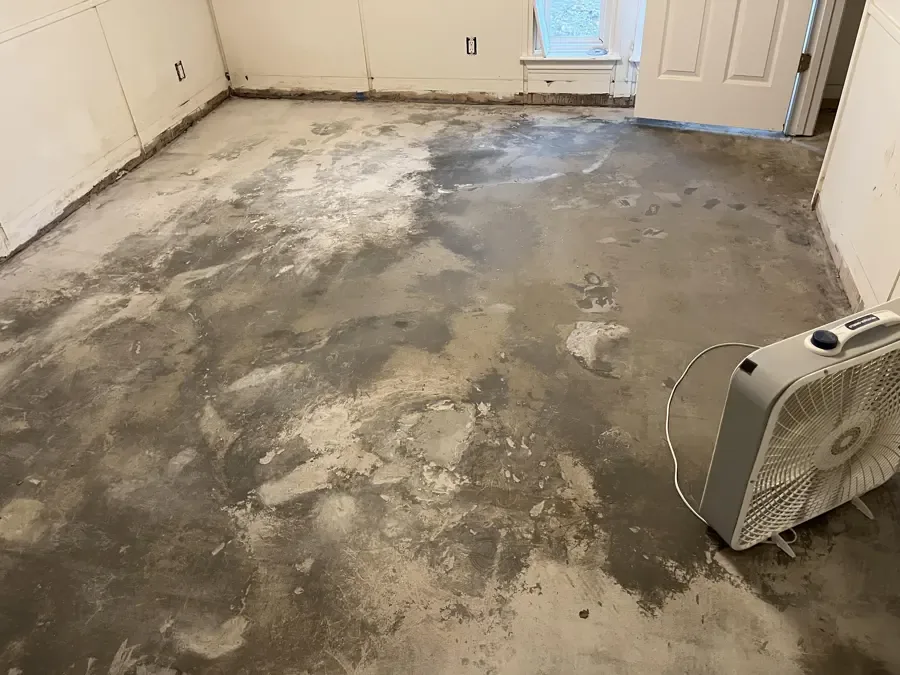 Slab Leak Water DamagePersistent dampness beneath a floor calls for leak location and a careful look at the layers resting over concrete.
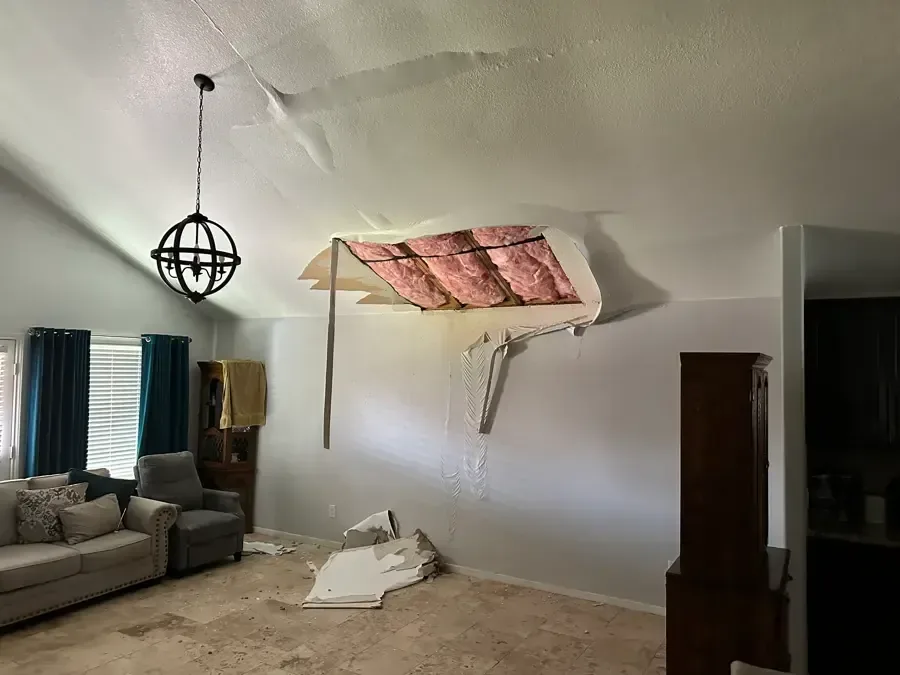 Ceiling Leak Water DamageSagging overhead material changes room safety. Inspection connects the ceiling stain with wet cavities and the space above it.
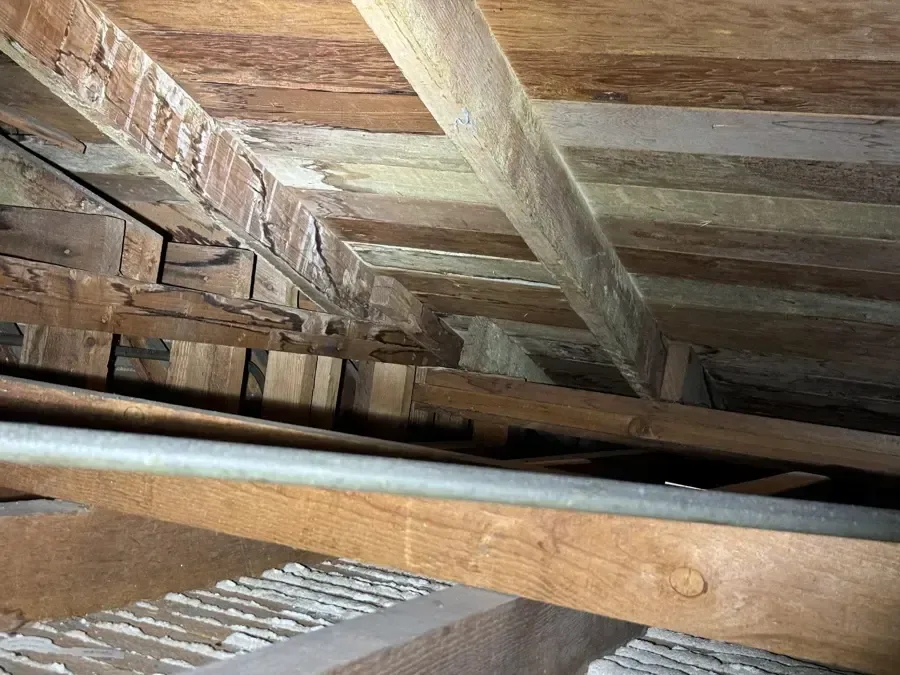 Roof Leak Water DamageRain can travel along roof framing before appearing indoors. Interior drying starts with a plan to stop renewed entry.
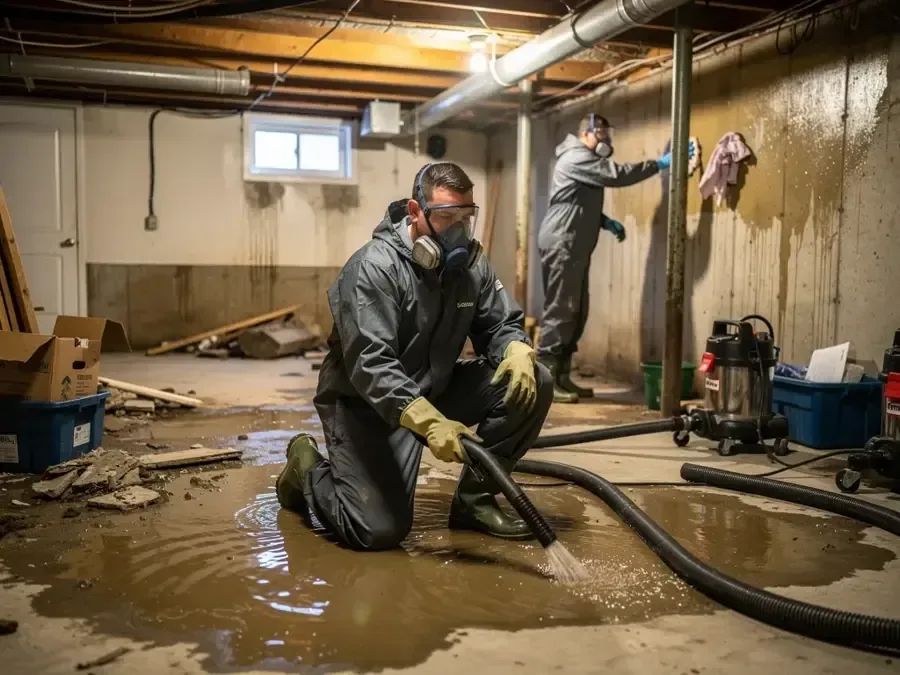 Storm Flood CleanupWater arriving from outside brings sediment and uncertain contamination. Entry paths and affected belongings shape the removal plan.
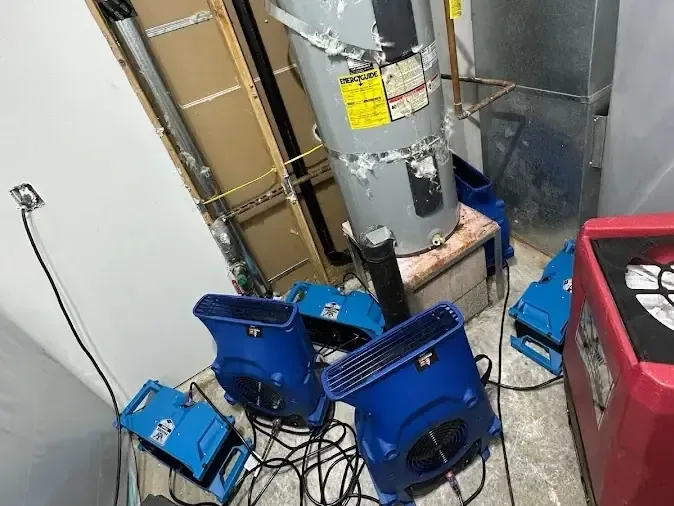
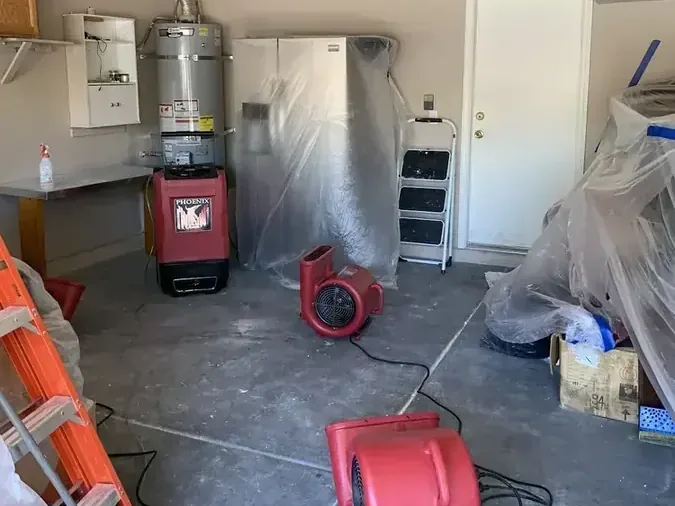 Water Heater Leak CleanupA leaking tank can soak the utility area and nearby finishes. Equipment isolation comes before work around the heater.
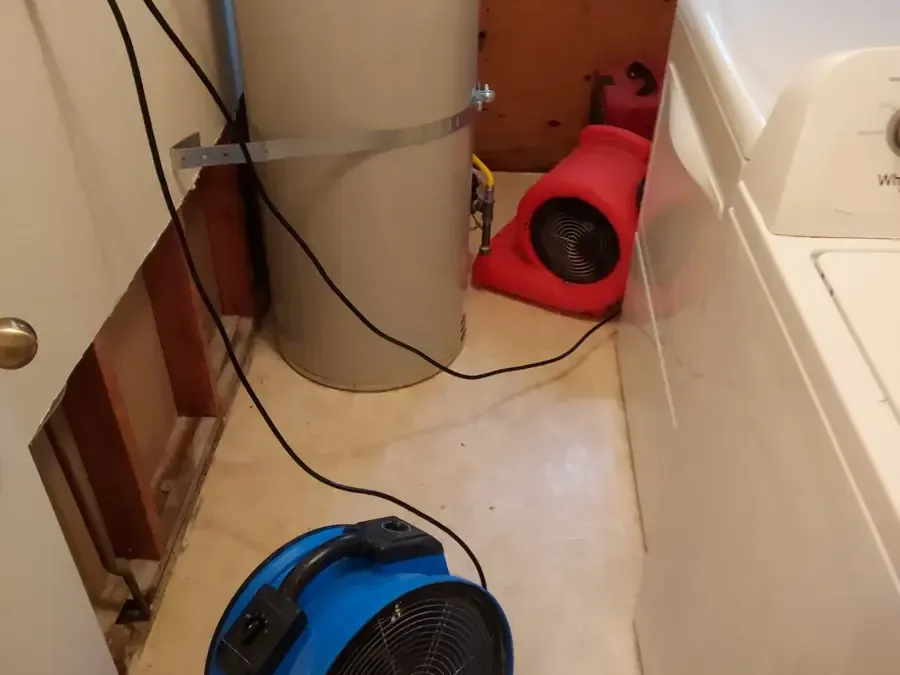
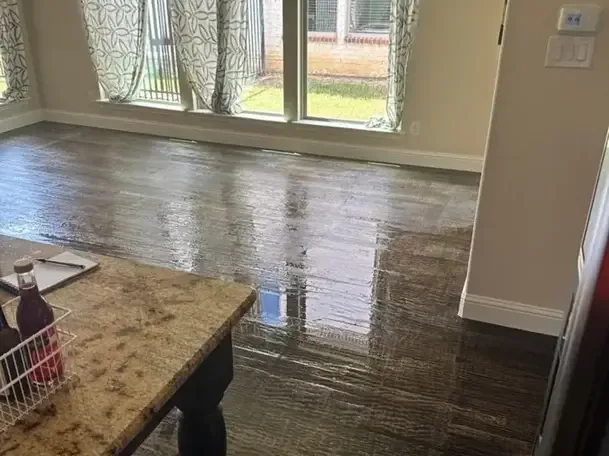 Appliance Leak Water DamageDishwasher and washer releases often disappear beneath adjacent finishes. Hidden cabinet edges deserve attention alongside the open floor.
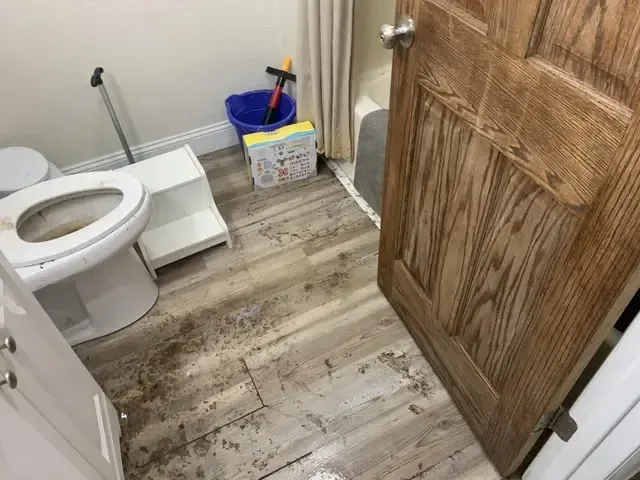 Toilet Overflow CleanupAn overflowing bowl needs prompt separation from occupied areas. Cleanup decisions depend on what contacted the water and waste.
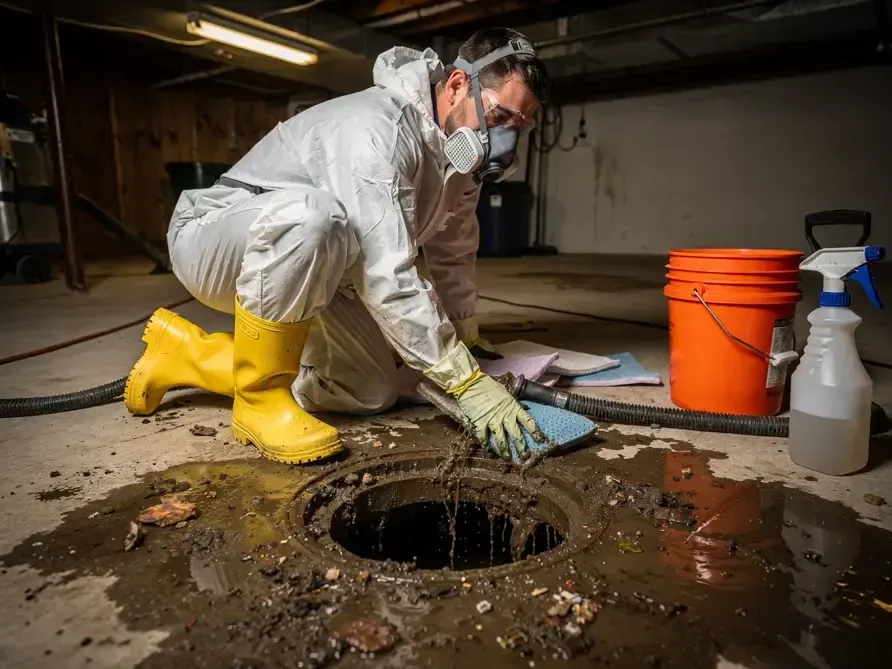 Sewage Backup CleanupWastewater returning through a drain requires controlled access, contaminated material decisions and correction of the source before normal use.
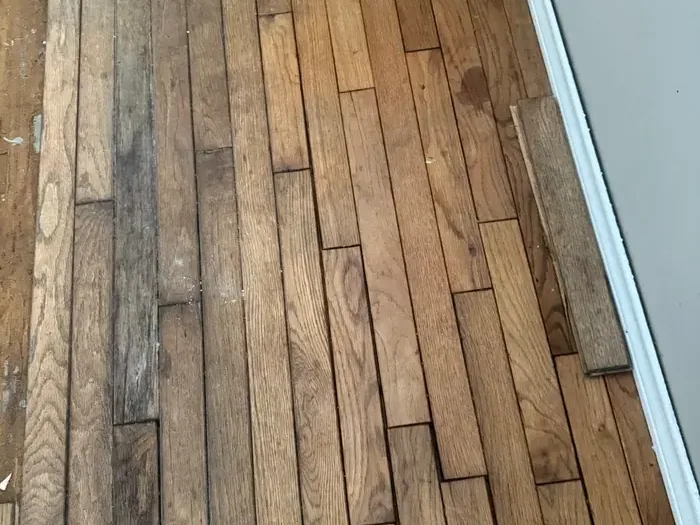 Hardwood Floor Water DamageRaised board edges reveal movement rather than dryness. Measurements below the wood help determine drying and repair options.
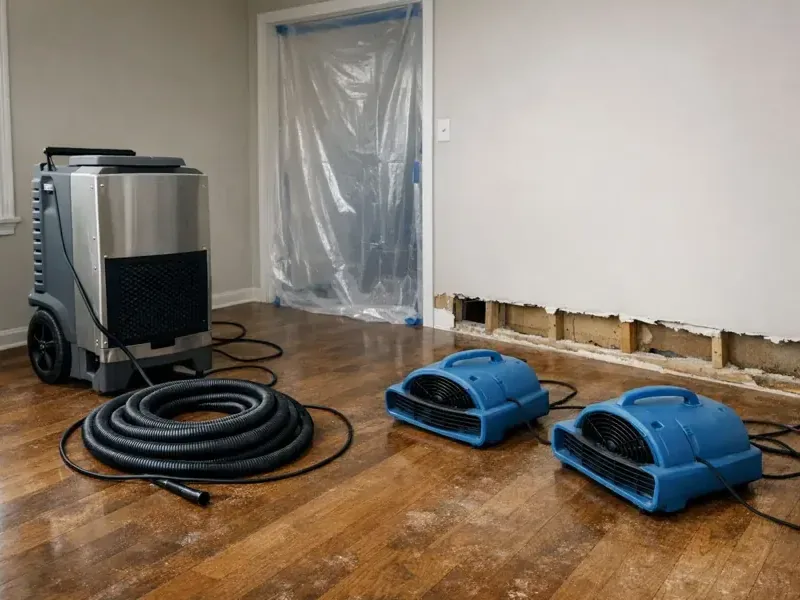 Structural DryingDamp framing and enclosed cavities need measurable progress. Equipment placement changes as readings show how each assembly responds.
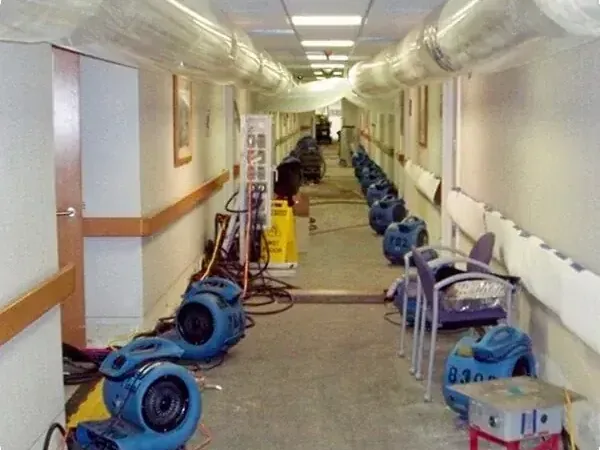 Commercial Water DamageA business loss involves customers, stock and shared access. Work zones should preserve safe routes while wet areas receive attention.
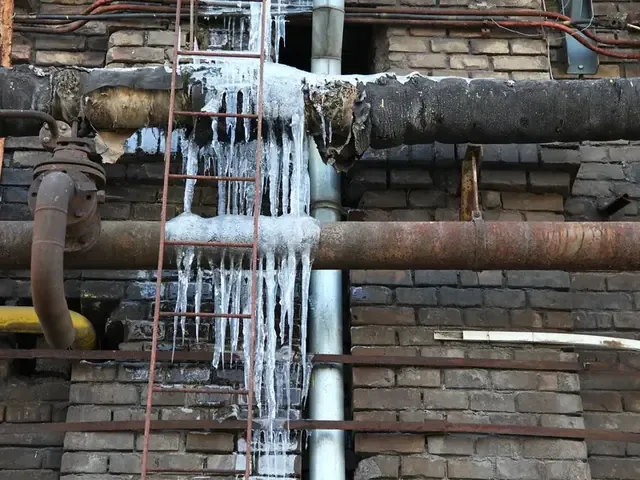 Frozen Pipe Water DamageA thaw can release water through a previously hidden split. Inspect the exposed section and every surface beneath it.
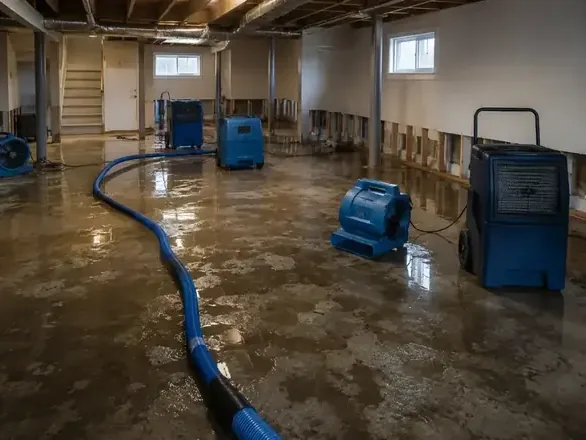
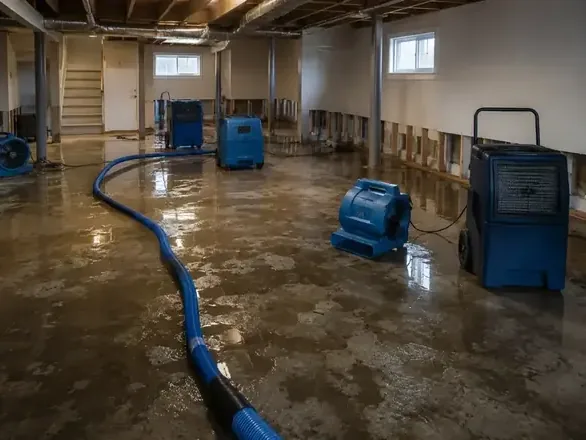 Basement Water CleanupLower rooms collect water from several possible sources. Safe entry, removal and inspection of finished wall bases come first.
Make the next decision from a dry location
- 1
Keep people clear
Prevent children, visitors and pets from entering wet rooms, especially where ceilings sag or wastewater has crossed the floor.
- 2
Stop safe sources
Use an accessible water shutoff only from a dry position. Leave electrical equipment and unstable fixtures to the appropriate professional.
- 3
Record the starting condition
Photograph the source and affected finishes without entering unsafe spaces. Note when the problem appeared and whether water continues arriving.
- 4
Protect reachable belongings
Move dry items away from the wet boundary if access is safe. Keep contaminated belongings separate from unaffected household possessions.
- 5
Describe the whole route
Report upstairs stains, downstairs drips and adjoining damp rooms together so the assessment starts with the complete pattern of damage.
What can water cleanup in Maywood cost?
Initial planning ranges run from $800 to $10,000+, depending on contamination, access and the amount of wet construction. A written assessment should explain the affected materials and distinguish restoration work from plumbing repairs and replacement finishes.
Limited wet area
- Accessible floor water removal
- Small drying equipment setup
- Few concealed wet edges
Connected room damage
- Water across adjoining rooms
- Opened wall cavity drying
- Additional wet material handling
Extensive affected construction
- Several damaged building assemblies
- Complex contaminated water removal
- Longer monitored drying work
Compare the scope with the water damage cost calculator. The restoration company prices the inspected damage, material access and equipment needs separately from source repairs, replacement finishes and contents work.
These amounts support early planning rather than a fixed quote. Ask which removal, disposal and monitoring tasks are included, and which rebuilding or source repairs require separate pricing.
Track the work through meaningful stopping points
An orderly restoration job follows the water, addresses contamination and measures the remaining moisture. Equipment stays part of a documented plan with a clear reason for each next step.
- 1
Understand the release
Identify where water entered and which connected spaces need inspection before committing to a removal or drying scope.
- 2
Reach the wet layers
Remove accessible water and expose damaged materials where finishes prevent cleaning or keep the underlying assembly from drying properly.
- 3
Adjust the drying conditions
Position equipment around the retained materials, then use moisture readings to change airflow or access when progress slows.
- 4
Prepare for finish repairs
Document the final material readings and remaining construction needs before replacement flooring, wall finishes or cabinetry conceal the inspected surfaces.
Different releases call for different cleanup decisions
Supply water escapes
A broken pipe can soak clean finishes quickly; the inspection checks how long water remained and what it contacted afterward.
Trace a ruptureAppliances wet hidden edges
Water beneath cabinetry may stay out of sight after the kitchen looks tidy. Access behind the appliance helps define damage.
Inspect appliance surroundingsWastewater crosses room boundaries
A drain backup changes handling of porous belongings and occupied spaces. Containment and source correction belong in the initial scope.
Separate contaminated spacesDocuments that explain the damage
Photographs and a clear sequence of events help explain a loss. Keep cleanup records separate from assumptions about what an insurance policy will cover.
- Photographs of the initial wet areas
- Date the problem was first noticed
- Source repair notes and relevant invoices
- List of affected furniture and finishes
- Drying records and itemized restoration scope
When paying for cleanup directly
A written scope makes direct payment easier to assess. Request separate descriptions of extraction, material removal, equipment use and moisture monitoring before work proceeds.
If more damage appears after an opening, ask for an updated explanation and price before extending the original work area.
Equipment and access for different wet materials
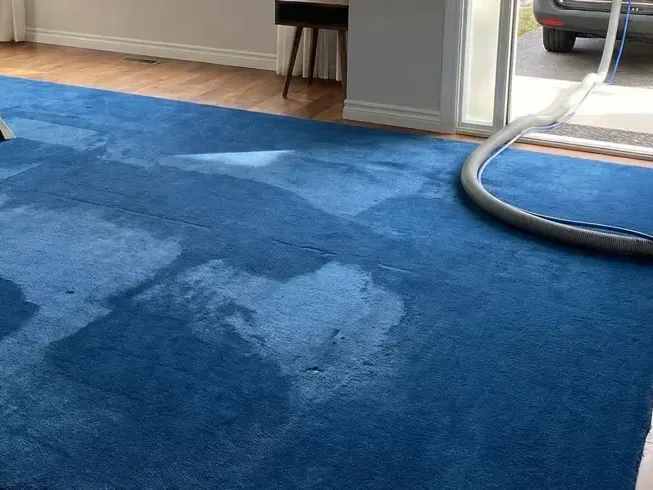
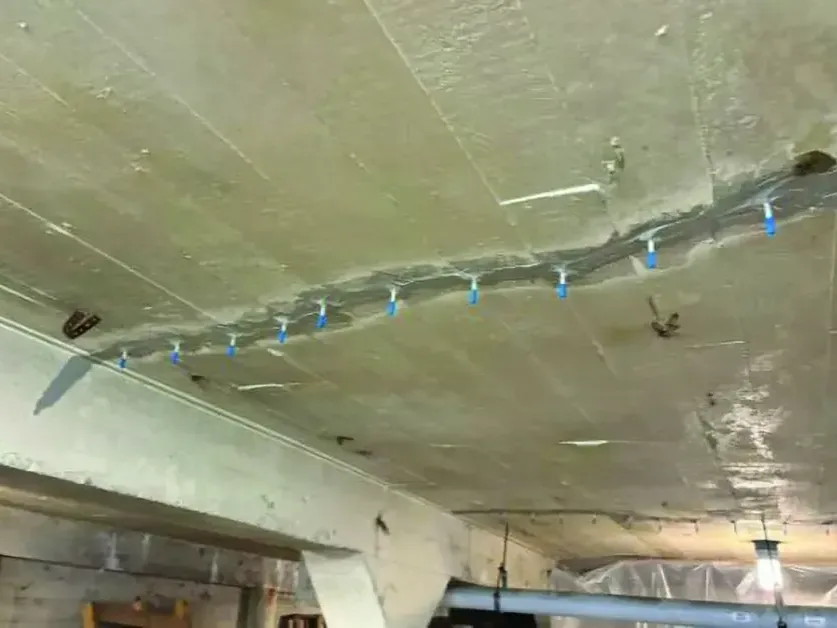
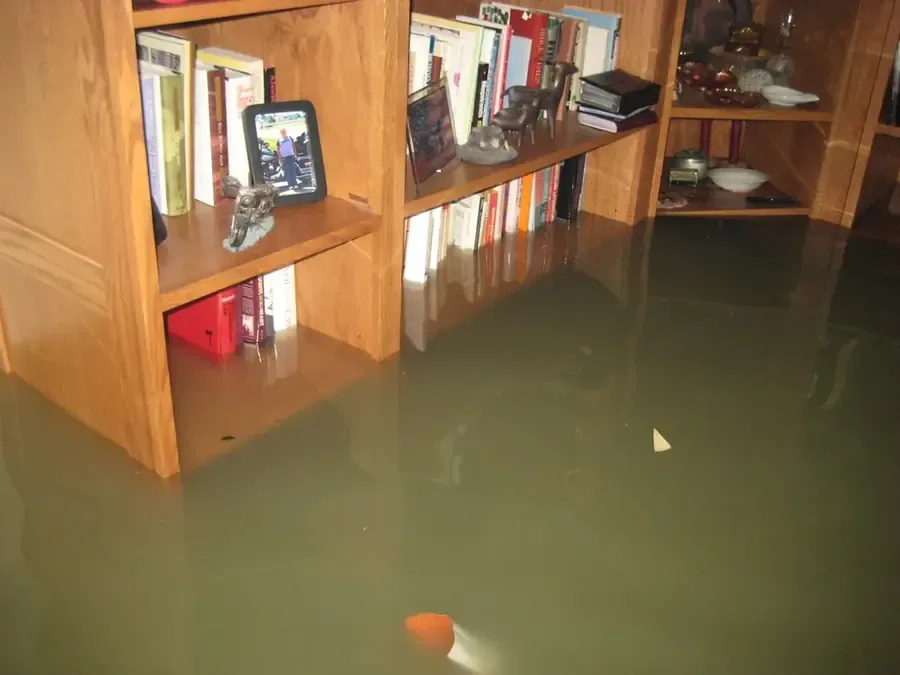
Homes and businesses across the borough
Streets and business access
Describe access along with the water damage
The West Pleasant Avenue business district contains shops and restaurants between Maywood Avenue and Lincoln Avenue. A commercial assessment should account for occupied entrances and deliveries.
For residential work, describe stairs, locked utility spaces and any room that cannot be entered safely.
(888) 471-9821Discuss borough property accessPlan before the call
Nearby water damage service areas
Local context for a careful inspection
Drainage projects help describe public infrastructure, while the inspection follows water at the affected property. Door thresholds, utility rooms and overhead cavities each need a specific check.
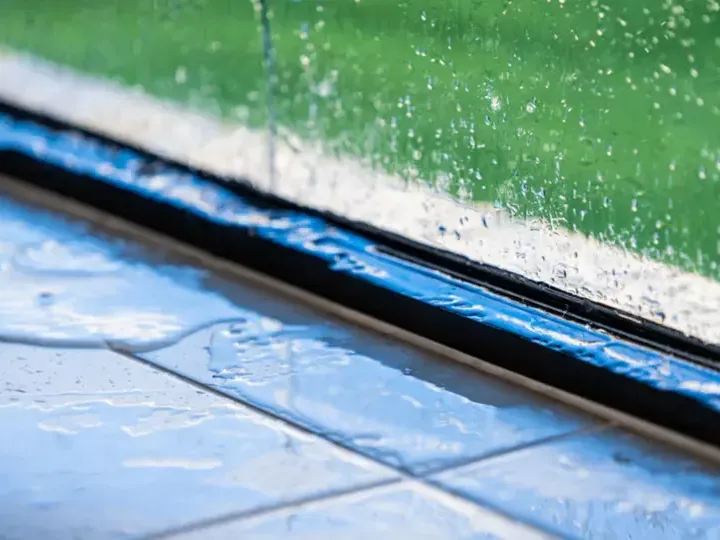
July 25, 2022: A water main break prompted a warning of possible low pressure for Maywood customers. An active indoor leak still requires direct source isolation.
Roadway ponding
Briarcliff Avenue drainage improvements addressed roadway stormwater ponding. At a wet property, photograph the actual entry path before water removal obscures it.
Completed drainage work
The borough recorded Sanzari Place drainage construction as completed on November 1, 2024. Interior cleanup still starts with the specific wet surfaces.
Wastewater collection
The borough operates a public wastewater collection system. Report multiple backing fixtures and separate affected rooms from the rest of the building.
Business floor access
Shops and restaurants on West Pleasant Avenue need clear access arrangements when extraction hoses, wet merchandise or opened finishes interrupt the normal walking route.
Material inspection
The Romine-Van Voorhis House dates to 1780 in its primary structure. Older finishes at any affected property need individual assessment before removal decisions.
Questions before restoration starts
What matters most when reporting a new leak?
Start with whether water is still escaping and whether anyone can safely reach the affected space. Then describe the apparent source, wet rooms and ceiling changes. Those details establish the first inspection priorities more clearly than the puddle size alone.
Can a room be dry while its floor remains wet?
Yes. Surface water can disappear while underlayment, wall bases or cabinet backs retain moisture. An inspection compares materials and checks concealed edges where needed. Replacing finishes before those layers dry can hide the same unresolved damage beneath new work.
Does every wet wall need to be removed?
No. The decision depends on the water source, contamination, material condition and access for drying. Sound wall sections may be retained when they can dry effectively. Soft, deteriorated or contaminated layers may need removal to reach cleanable construction.
Who repairs the pipe that caused the loss?
Plumbing repair and restoration address different parts of the problem. The plumber stops the supply or drain defect; restoration addresses water and affected building materials. Ask the written scope to identify responsibilities so drying is not interrupted by another release.
Should household fans run after a drain backup?
Keep household fans out of a contaminated space. Airflow can carry droplets and debris beyond the wet boundary. Restrict entry and let the cleanup plan establish containment, material handling and appropriate equipment before air movement begins inside the room.
Can a business stay open during cleanup?
That depends on safe access, contamination and how the work area connects to customer or staff routes. A separated dry section may remain usable. Shared exits, wet electrical equipment or wastewater exposure can require a broader closure until conditions change.
What helps establish the cost before work starts?
Provide photographs, the source history and information about inaccessible areas. The inspection then defines wet materials and handling needs. An itemized scope should identify equipment, monitoring and removal, with clear allowances for damage that becomes visible after access work.
Is repainting enough for an old ceiling stain?
Only after the source and underlying condition have been checked. A stable dry stain is different from soft wallboard or damp insulation. Covering the mark without checking the cavity may conceal ongoing leakage and delay the repair that actually stops it.
What should remain after the equipment leaves?
The property owner should retain a record of the affected areas, material decisions and final drying checks. That information supports the next contractor and explains why certain surfaces were opened. Any remaining plumbing or finish repairs should be identified separately.
Start with the wet area and the source
A clear description of the damage helps establish safe access, the initial cleanup scope and the next inspection priorities.