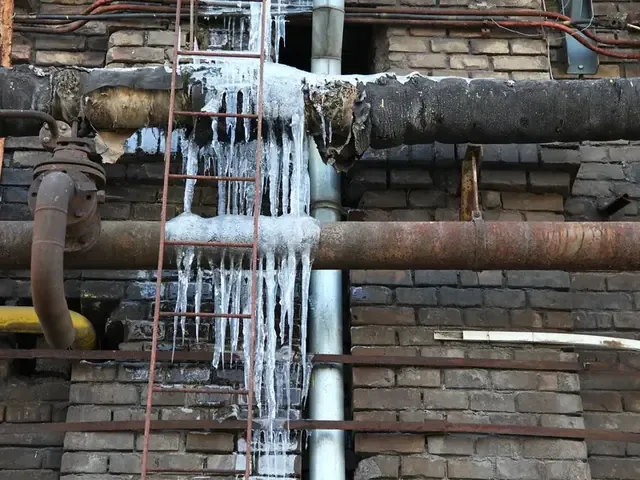
Frozen Pipe Water Damage in Paramus, NJ
The restoration team checks escaped water after a frozen supply section splits or leaks during thawing. A plumber controls the pipe problem while the drying crew maps wet cavities, floors and nearby rooms.
(888) 471-9821Assess a thawing-pipe lossHow frozen pipe water damage is handled in Paramus
Frozen pipe water damage in Paramus can become visible when flow returns to a split section. The crew coordinates with the plumber, records the thaw-related release and checks the building materials around the affected pipe route.
First steps for frozen pipe water damage
- 1
Avoid improvised heat
The household leaves frozen-pipe thawing to qualified workers and keeps open flames away. The plumber determines how to restore flow and check the affected section safely.
- 2
Prepare for a thaw release
A safe, accessible shutoff can limit water if a split begins leaking. Occupants avoid wet electrical areas while the source specialist isolates the damaged pipe.
- 3
Record the pipe route
The technician notes the affected fixture and exposed pipe location, then checks walls, floors and spaces below for moisture released during thawing.
- 4
Keep wet cavities accessible
Finish replacement waits for the source repair and drying checks. New insulation or wallboard should not cover framing that still requires monitoring or controlled drying.
What does frozen pipe water damage cost in Paramus, NJ?
Frozen pipe water-damage mitigation typically costs $1,200 to $8,000 or more. Concealed splits, insulation removal, affected floor levels and cold drying conditions change the scope. Thawing, plumbing repair and rebuilding are separate.
Localized thaw leak
- Accessible source area
- Water extraction
- Initial cavity readings
Wet insulated wall
- Selective finish removal
- Insulation access
- Controlled drying environment
Several rooms or levels
- Multiple water paths
- Expanded equipment setup
- Detailed moisture verification
Compare the scope with the water damage cost calculator. The restoration company prices the inspected damage, material access and equipment needs separately from source repairs, replacement finishes and contents work.
The frozen pipe water damage process
- 1
Coordinate the thaw and source assessment
The plumber checks the frozen section and controls the supply. The restoration technician records any release and maps the building materials around the pipe. Safe electrical access and room temperature inform the first equipment plan.
- 2
Remove escaped water and wet barriers
The crew extracts pooled water and opens affected finishes where necessary. Saturated insulation and damaged layers are documented before removal. Access follows the wet pipe route and the spaces beneath it, not just the nearest fixture.
- 3
Establish a controlled drying environment
The drying team manages temperature, airflow and humidity around the retained structure. Daily readings show how cold or dense material responds. Equipment and access are adjusted when a cavity or floor connection remains slow.
- 4
Verify the repaired assembly
The final review combines source repair status with material moisture checks. The record distinguishes thawing and pipe work from mitigation and rebuilding. Replacement insulation and finishes follow the documented condition of the retained framing.
A frozen fixture can appear quiet while ice limits flow through a damaged pipe. When the ice releases, water can enter the wall or room. At properties near Van Saun County Park, along East Ridgewood Avenue and off Paramus Road, the inspection follows the actual exposed pipe route and nearby finishes instead of assuming a neighborhood-wide plumbing type.
Controlled thawing and leak checks
A plumber evaluates the frozen section, source isolation and safe thawing method. Open flames and uncontrolled heating can damage materials and create hazards. The restoration crew becomes involved when escaped water has reached the building, documenting both the pipe location and the wet footprint.
A restored faucet flow does not end the inspection. The specialist checks for splits and leaking joints while the drying technician measures cavities, wall bases and floors below the pipe. A concealed release can continue behind an apparently normal fixture.
- Record where flow stopped or changed.
- Keep thawing with qualified workers.
- Check the pipe after flow returns.
- Inspect finishes beneath the affected route.
Freeze-loss moisture can cross several layers
Water from a split in an outer wall can soak insulation before reaching drywall or flooring. The crew checks each layer and removes wet material that blocks effective access. The source repair and drying work need coordination so a new pipe does not get enclosed inside a wet cavity.
The Ready.gov winter weather information supports cold-weather preparation. The EPA WaterSense program offers household leak information. A current inspection determines the leak and moisture scope at the individual property.
Drying after heat and water service return
The drying team establishes safe equipment power, suitable room conditions and a moisture baseline. Cold materials may respond differently from a warm finished room, so the crew checks temperature and material progress together. Dehumidification removes the vapor released by directed airflow.
For a business along Route 17, restricted access and utility interruption can affect operations as well as finishes. The written record identifies the source repair, water removal and wet assemblies. Final readings support cavity closure and later repairs after the pipe system has been checked.
- Record temperature and equipment conditions.
- Inspect insulation against wet framing.
- Track the lowest pooling areas.
- Verify pipe repair before finish replacement.
A frozen pipe needs safe thawing
Occupants avoid torches, open flames and improvised high heat on a frozen pipe. A qualified plumber assesses isolation and thawing, then checks the pipe as flow returns. The household stays away from water around outlets, appliances and panels. The restoration team plans safe entry and measures the building around the pipe route after source control. A pipe can release water inside a wall before a floor puddle appears, so cavity readings matter even when visible water is limited. Wet insulation and hidden framing require access decisions, and the final repair sequence keeps the assembly open until drying and source checks are complete.
Frozen pipe water damage coverage
The restoration team covers homes and businesses across the borough, including the Route 4 and Route 17 corridors, with service in ZIP codes 07652 and 07653.
Frozen Pipe Water Damage questions
Why can a frozen pipe leak after thawing?
Ice can limit flow through a damaged section. When flow returns, a split or failed joint can release water into the building. The plumber checks the pipe during recovery while the technician assesses affected finishes.
Should an open flame thaw a pipe?
No. A qualified plumber selects a safe method and checks the supply condition. Open flames and uncontrolled heat can damage surrounding materials. Occupants should keep clear of the work and wet electrical hazards.
Does restored faucet flow mean the problem is finished?
The pipe still needs a leak check, and any wet building materials need assessment. A concealed split can release water behind a wall even when the fixture runs. The repair and drying records address those separate concerns.
Why remove insulation around a freeze loss?
Wet insulation can hold moisture against framing and block drying access. The crew evaluates its condition and documents any removal. Replacement waits until the source repair and retained material checks support closing the cavity.
Can cold rooms slow drying?
Temperature affects evaporation and equipment performance. The drying team monitors room conditions and material readings, then adjusts the setup for the actual assembly. A calendar estimate cannot replace those repeated moisture checks.
Is thaw-related water damage handled overnight?
The team accepts freeze-loss restoration requests 24/7. Safe source control and electrical access determine the first work. Occupants avoid improvised thawing and remain clear of newly released water while qualified help evaluates the loss.
Thawed pipe, wet building materials
The 24/7 restoration response coordinates extraction and drying with the plumbing repair.