Water Damage Restoration Paramus, NJ
The restoration team removes escaped water, checks concealed wet materials and dries the building to measured goals. Homes and businesses receive a clear mitigation scope, source coordination and daily moisture records.
(888) 471-9821Start the borough dry-outActive water, wet electrical equipment and unstable ceilings need safe access before cleanup begins. The team assesses those conditions first.
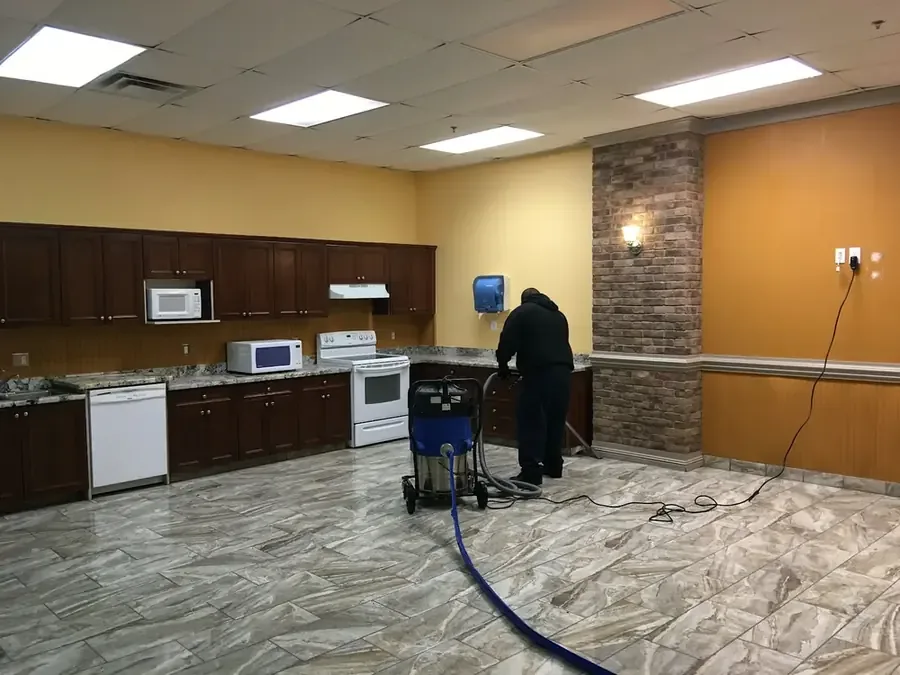
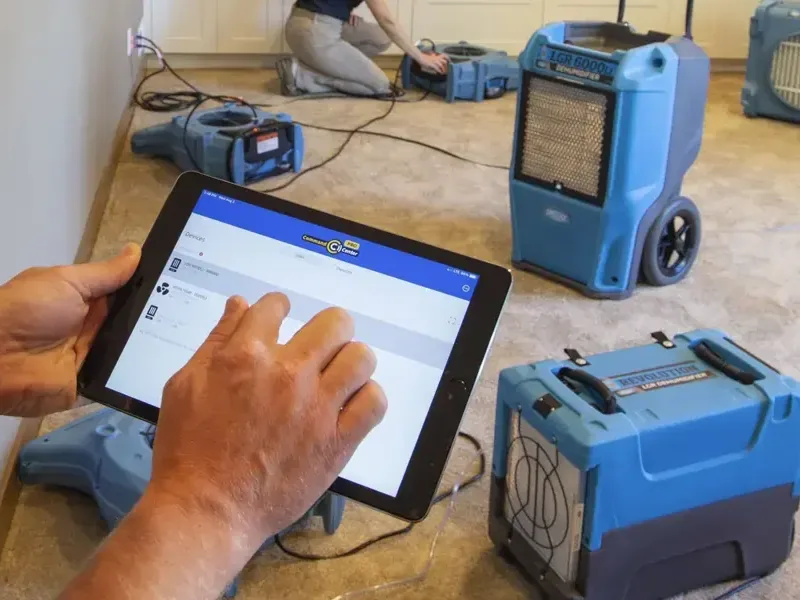
Water damage assessed from source to structure
A supply failure beside Route 4 and a wet room near Van Saun County Park need the same first distinction: what stopped the source, and which materials still hold water.
Source coordination
The crew checks repair status with the appropriate specialist before closing wet walls or returning an appliance to service.
Material measurements
Moisture readings cover the visible wet area and adjoining assemblies, including wall bases, flooring transitions and concealed cavities.
Controlled removal
Water category and material condition determine which finishes can remain, which need access and which require documented removal.
A usable record
Photos, daily readings and the written scope keep extraction, cleaning, drying and later rebuilding clear for the household and insurer.
Water Damage Restoration Services in Paramus, NJ
Each water source needs its own response. The service pages explain the first safety steps, material decisions and drying work for the problem at hand.
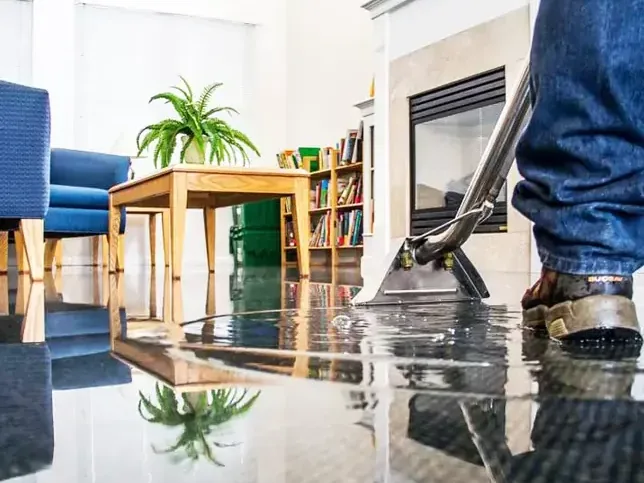 Water ExtractionPumps and extraction heads remove pooled water before the crew checks the liquid still held beneath flooring.
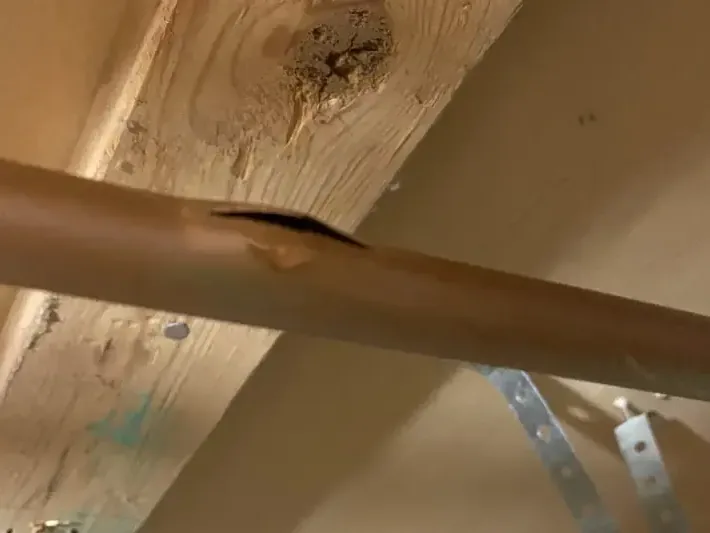 Burst Pipe Water DamageThe rupture path can reach walls and rooms below. Source repair and the building dry-out receive separate checks.
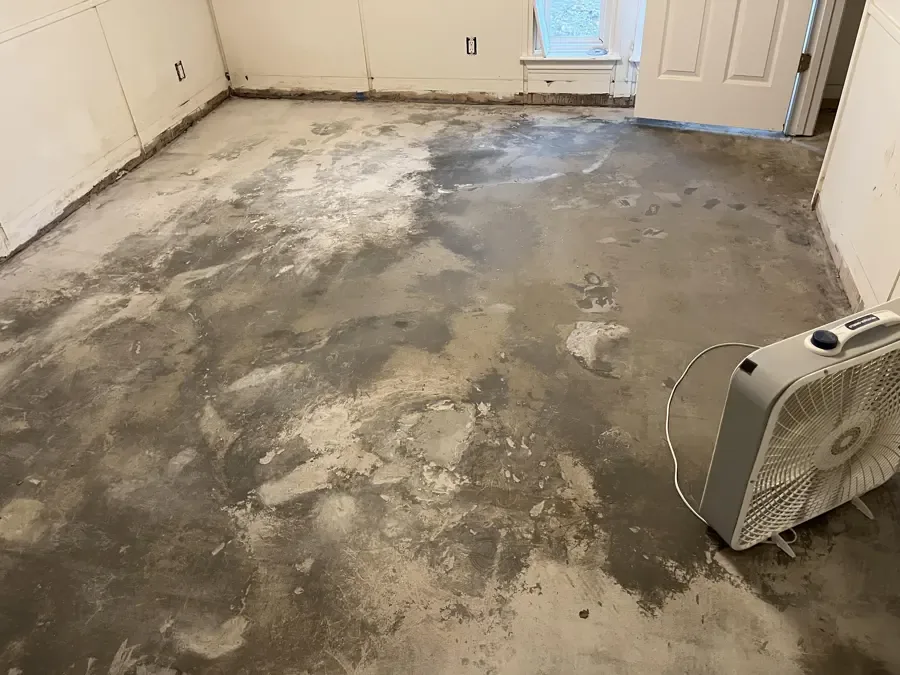 Slab Leak Water DamageA plumber locates the leak while the restoration technician maps moisture beneath floor coverings and at wall bases.
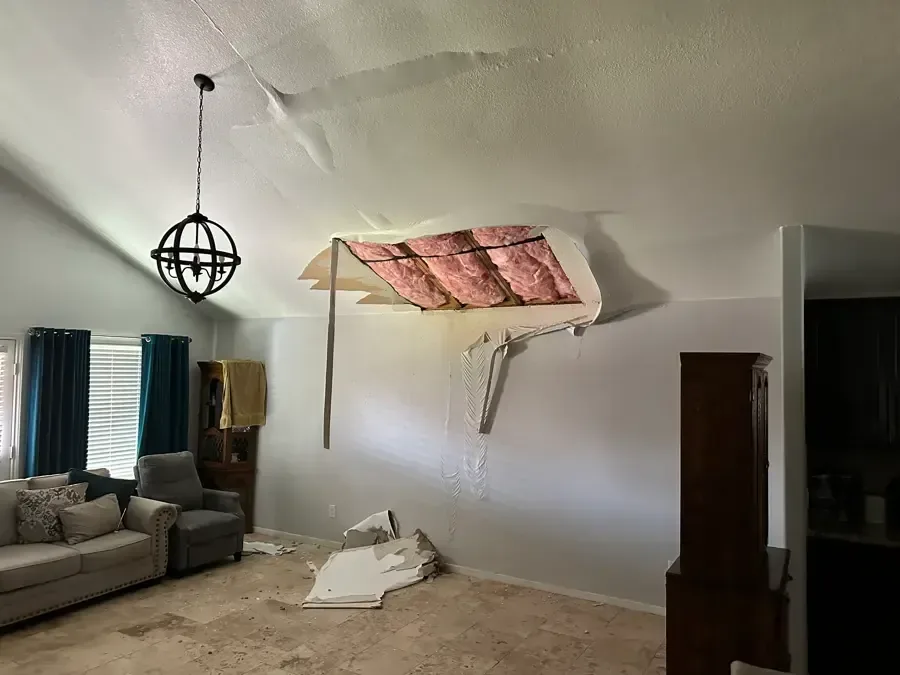 Ceiling Leak Water DamageOverhead stability, wet insulation and hidden framing shape the access plan before a ceiling stain receives new paint.
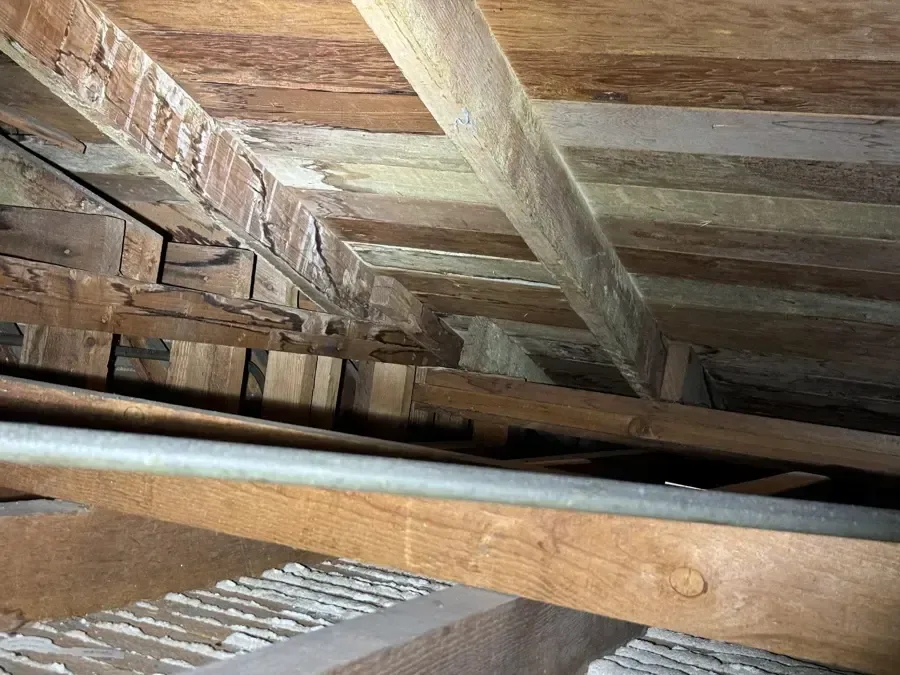 Roof Leak Water DamageRain entry requires a roof repair and an interior assessment of attic materials, ceiling cavities and connected walls.
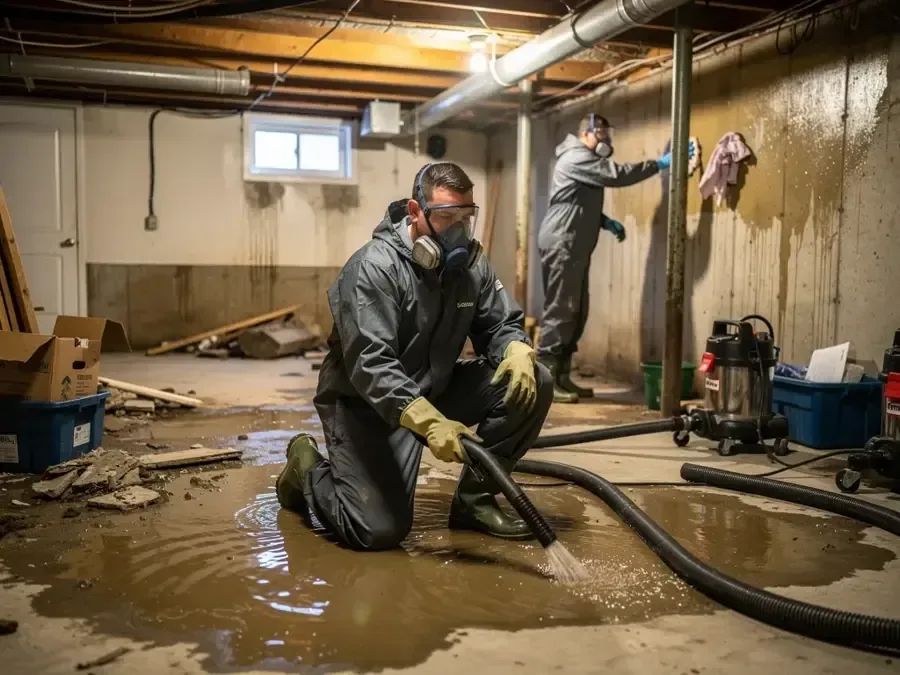 Storm Flood CleanupOutdoor water brings contamination into the building. Controlled removal and cleaning come before structural drying airflow.
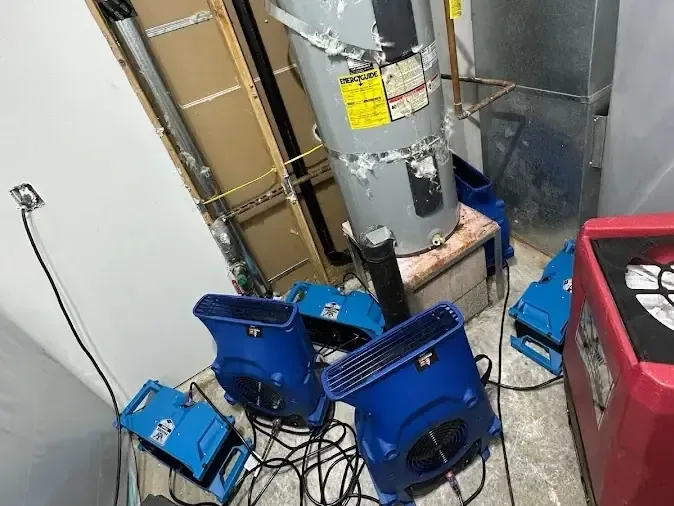
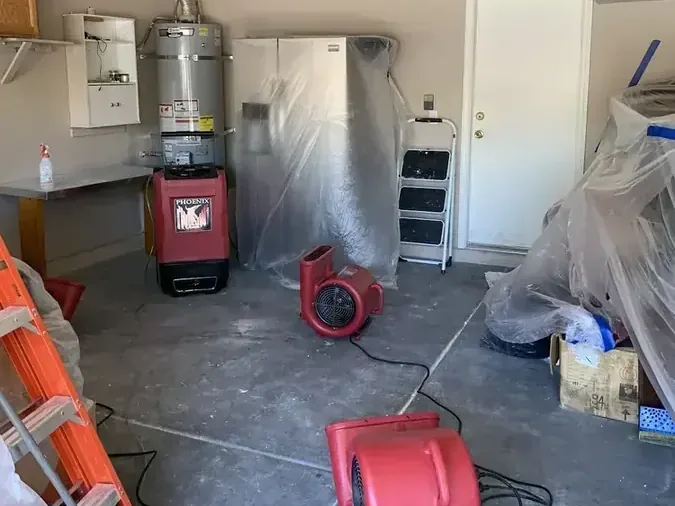 Water Heater Leak CleanupTank-area water can move beneath adjacent rooms. The crew checks storage, floor transitions and the appliance surroundings.
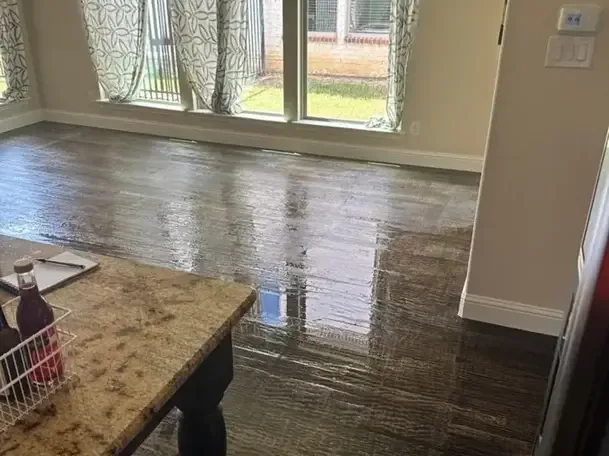 Appliance Leak Water DamageWasher, dishwasher and refrigerator leaks need checks behind the appliance and beneath nearby cabinet toe spaces.
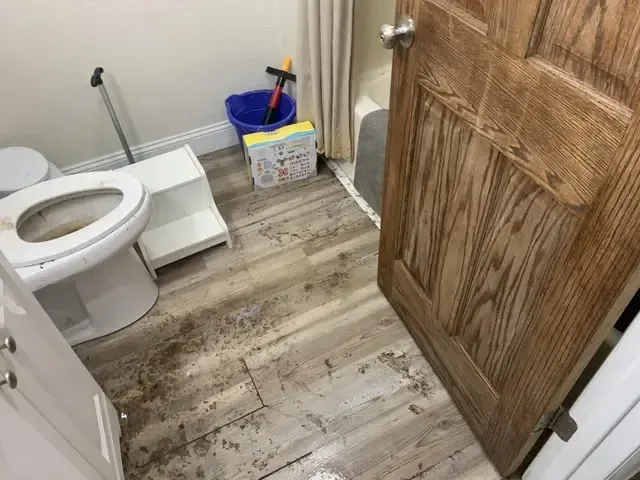 Toilet Overflow CleanupThe actual overflow contents determine cleanup controls, with moisture checks at the bathroom floor and ceiling below.
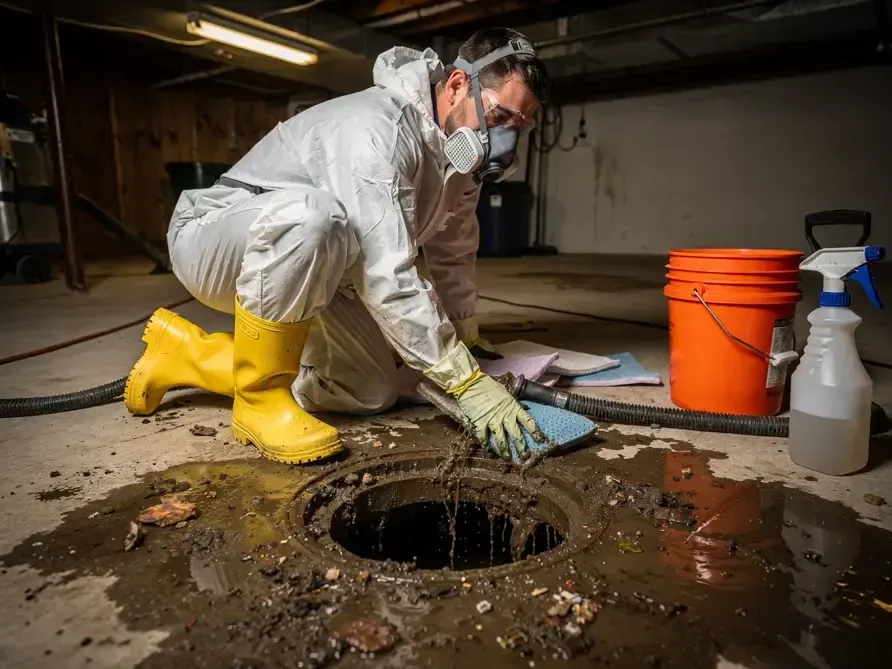 Sewage Backup CleanupCategory 3 containment, porous-material removal and careful surface cleaning prepare the retained structure for drying.
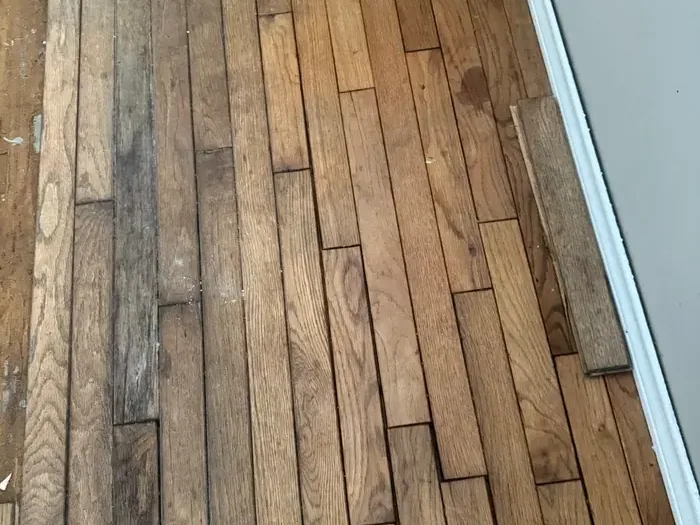 Hardwood Floor Water DamageBoard shape and moisture readings tell different parts of the story. The team measures the boards and subfloor.
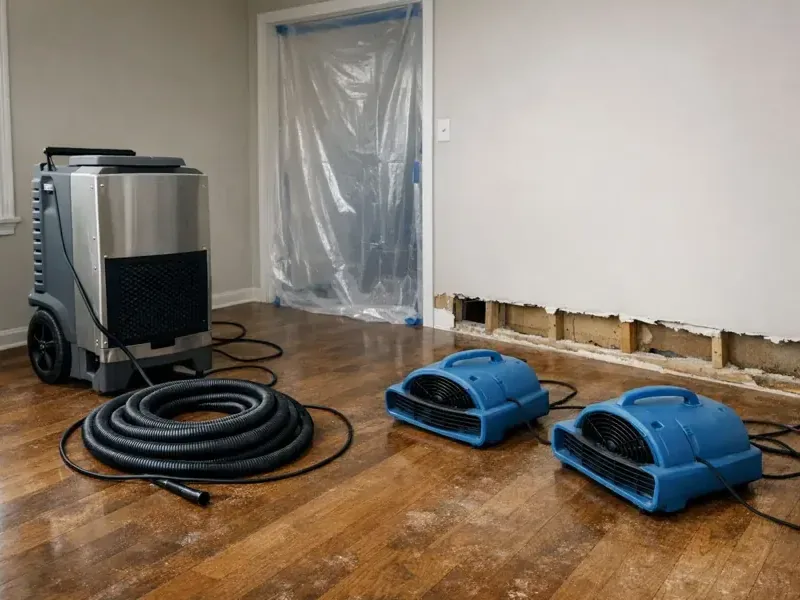 Structural DryingAir movers and dehumidifiers work together, with daily readings guiding equipment changes and the final repair handoff.
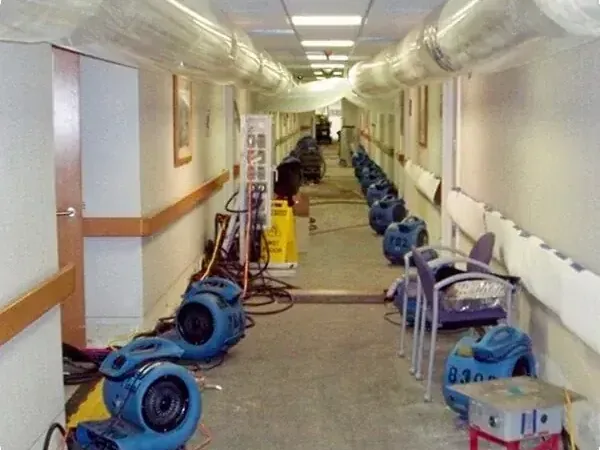 Commercial Water DamageProtected access, separate inventory records and drying zones help the business track damage while coordinating occupied space.
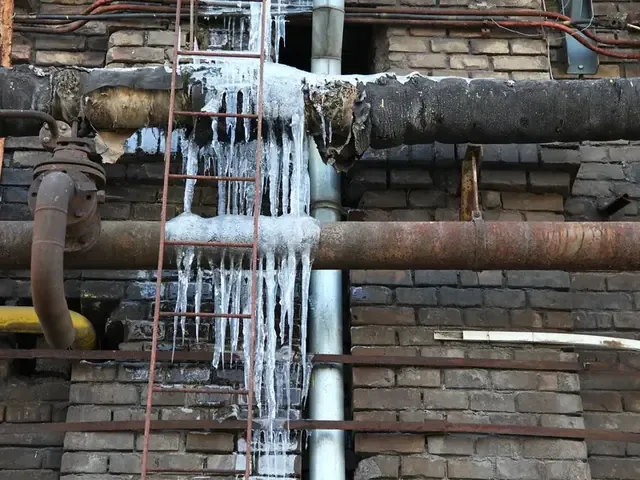 Frozen Pipe Water DamageA split may release water as ice thaws. Safe pipe assessment and concealed cavity checks follow restored flow.
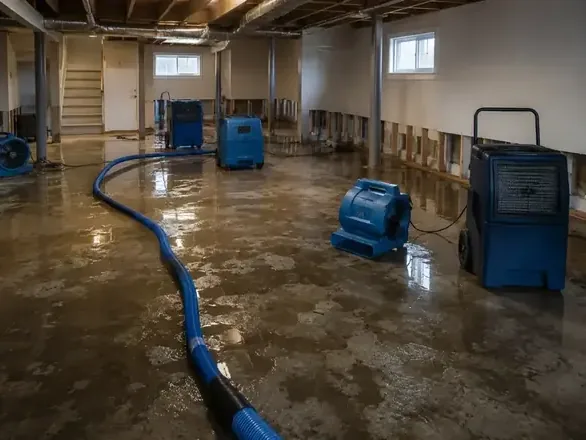 Basement Water CleanupEntry source, electrical hazards and exterior pressure guide pumping before the team checks lower-level walls and storage.
What to do while the water is still moving
- 1
Keep a dry route
Occupants stay outside standing water near outlets, appliances and panels. Qualified specialists assess electrical isolation before entry.
- 2
Limit the source safely
A dry, reachable shutoff can reduce a supply leak. A plumber or appliance specialist handles the failed component.
- 3
Avoid loaded ceilings
People and pets leave rooms with sagging finishes or wet lights. The crew plans controlled access below the affected cavity.
- 4
Preserve the original view
Safe photos record water trails, damaged contents and the wet boundary before extraction or removal changes the room.
- 5
Separate clean belongings
Dry contents stay away from contaminated water and waste routes. The team documents affected material before handling or disposal.
What does water damage restoration cost in Paramus, NJ?
Water damage mitigation typically ranges from $800 to $10,000 or more. Water category, affected area, hidden layers, material class and the time before drying begins determine the inspected scope. Source repairs and rebuilding are separate work.
Contained clean-water loss
- Accessible wet room
- Extraction and moisture mapping
- Limited drying equipment
Several rooms or layers
- Floor and wall access
- Wet-material decisions
- Daily equipment monitoring
Extensive or contaminated loss
- Containment and waste handling
- Broader cleaning and removal
- Multiple drying zones
Compare the scope with the water damage cost calculator. The restoration company prices the inspected damage, material access and equipment needs separately from source repairs, replacement finishes and contents work.
The calculator provides a planning estimate only. The restoration company prices the actual loss after inspection, with water removal, drying, repairs and contents handling identified in the written scope.
Water damage dried to the IICRC S500 standard
The drying plan begins with source status, water category and material measurements. Equipment placement follows the wet assembly, and final verification comes from repeat readings instead of surface appearance.
- 1
Map the affected assembly
The technician checks floors, walls and cavities, marks repeatable monitoring points and identifies suitable dry reference materials.
- 2
Remove the liquid load
The extraction crew removes accessible water and documents unsuitable wet layers before the drying equipment addresses absorbed moisture.
- 3
Control the room conditions
Air movers encourage evaporation while dehumidifiers remove vapor. Safe power and equipment access support consistent operation.
- 4
Measure the remaining moisture
Daily material readings reveal progress and slow spots. The crew adjusts access or equipment before preparing the repair handoff.
All water damage categories covered in Paramus, NJ
Category 1: clean source
A fresh supply release begins differently from wastewater, but time and material contact still affect the cleanup decisions.
Supply rupture assessmentCategory 2: used water
Appliance discharge and other contaminated releases need a source and contact assessment before porous materials receive a drying decision.
Appliance water cleanupCategory 3: sewage and runoff
The crew contains the area, removes unsuitable porous material and cleans retained surfaces before setting broad drying airflow.
Sewage contamination controlsDocumentation for your insurance claim
The restoration team records what was wet, why material needed removal and how the retained structure dried. The file makes the work sequence clear.
- Initial moisture map with marked inspection points
- Timestamped photos before finishes are opened
- Water category and material class observations
- Daily material and psychrometric readings
- Itemized mitigation scope and removal records
Coverage follows the policy
Sudden supply losses, outdoor flooding and sewer backups can have different policy terms. The insurer determines coverage and applicable deductibles or endorsements.
The household reviews those terms with its insurer. Restoration documentation describes the loss and work; the insurer makes the coverage decision.
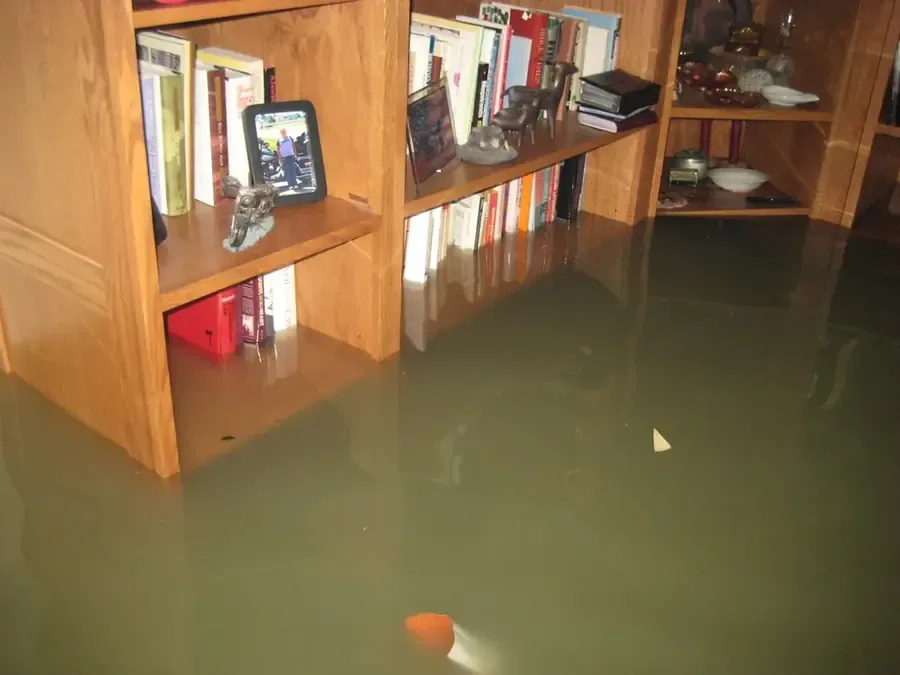
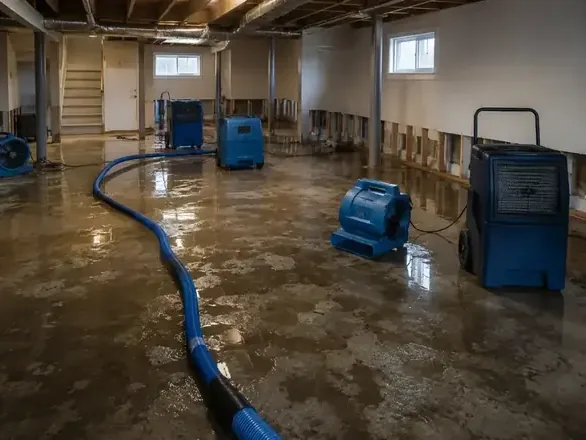
What a water damage dry-out looks like in Paramus
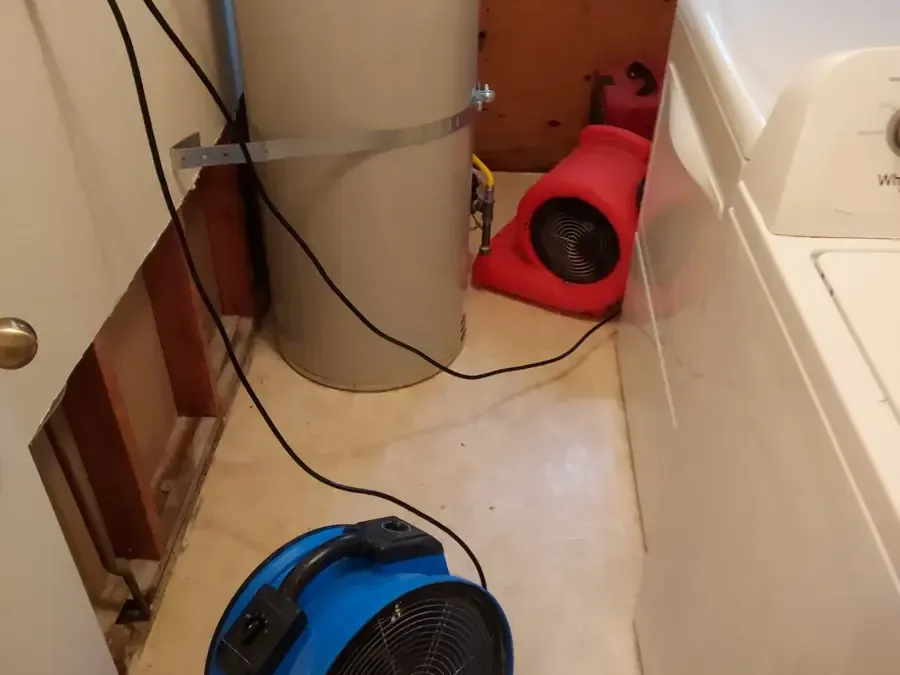
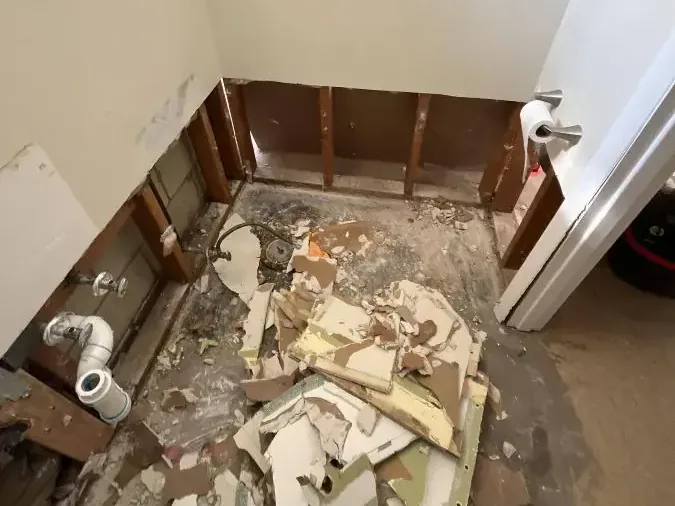
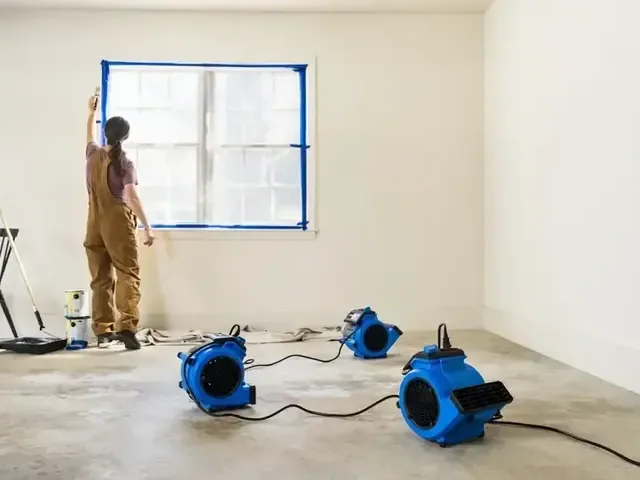
Water damage restoration across Paramus
Local landmarks and corridors
One call reaches Paramus water damage pros, 24/7
The response team assesses the source, affected floor level and current safety conditions before planning extraction, cleaning and drying access.
The property contact can describe the water path and any source repair already completed. Safe photos help preserve the original damage for the inspection.
(888) 471-9821Discuss the borough water lossPlan before the call
Nearby water damage service areas
Water damage conditions in Paramus, NJ
Retail corridors, park-side homes and municipal drainage each shape access and source investigation. The technician checks the actual building and water entry before defining a restoration scope.
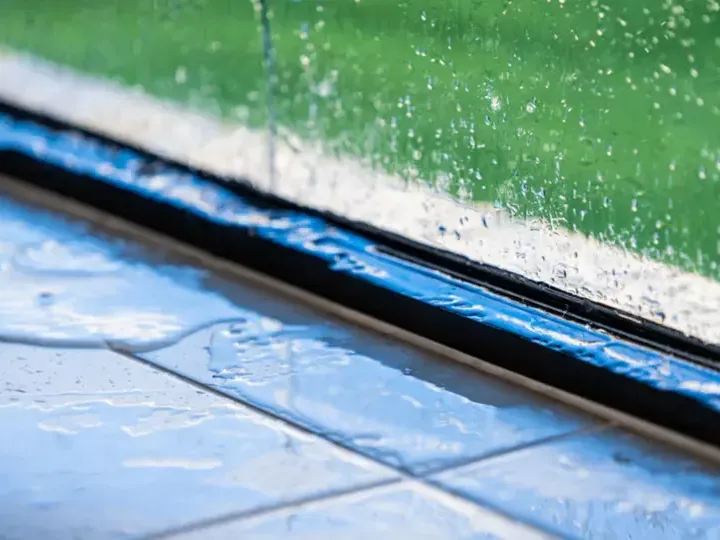
Water main disruption: A reported main break flooded parking lots along Route 4 and affected water pressure. Source outages and indoor water damage require separate assessments.
Roadside commercial space
Route 4 and Route 17 businesses need protected customer routes and separate records for stock and building finishes during cleanup.
Saddle River landmarks
Easton Tower stands beside the Saddle River at Red Mill Road and Paramus Road. Each property needs its own entry and moisture assessment.
Municipal drainage
Public Works maintains sewer and stormwater systems. The restoration crew addresses water already inside and coordinates the relevant source investigation.
Park-side properties
Van Saun County Park lies on the borough’s eastern side. Nearby homes receive room-by-room checks after plumbing or rain-related water entry.
Business interruptions
Westfield Garden State Plaza delayed opening following a water main break. Commercial response includes access coordination alongside material drying.
Paramus water damage questions
What should happen before entering a wet room?
The first check is safe access. Occupants stay away from standing water near electrical equipment and from sagging ceilings. Qualified specialists address electrical or structural concerns before the restoration crew begins work in that area.
Does stopping the leak finish the damage?
Source repair prevents additional water, but absorbed moisture remains in floors, walls and cavities. The technician maps that moisture and plans extraction or drying separately. Finish repairs wait until the retained assembly has been checked.
How does the team find hidden water?
The inspection combines moisture meters, visual access and thermal imaging where useful. Readings at wall bases, floor transitions and connected rooms reveal spread beyond the visible stain. The team marks monitoring points for later comparison.
How long does drying usually take?
A contained loss can dry over several days, while dense wood, concrete and concealed layers need longer. Daily readings guide the equipment plan. The crew ends drying from material progress and suitable targets rather than a promised date.
Why does sewage need a different response?
Sewage is Category 3 water from the outset. The crew contains the affected area, removes unsuitable porous material and cleans retained surfaces. Drying follows those steps, with appropriate products used according to their labels and dwell times.
Can a business keep a dry area open?
The property contact and relevant specialists review safe occupancy, utilities and work access. The restoration team separates wet work from protected dry areas where conditions allow. Hoses, cords and waste routes must not compromise safe circulation.
What does the insurance documentation include?
The file can contain the initial moisture map, timestamped photos, category and class observations, removal decisions and daily readings. The insurer applies policy terms to coverage. The restoration record explains the loss and the mitigation work.
Why do costs differ between two wet rooms?
Water category, material layers, access and the time wet can produce different scopes. An open clean-water floor differs from a contaminated cavity or soaked wood assembly. The inspected estimate separates mitigation from source repair and rebuilding.
Is water damage help available overnight?
The response team accepts requests 24/7. The source, current water spread and safety conditions help define the first action. Occupants keep clear of hazardous water while the team plans access, equipment and source coordination.
Water inside the building needs a clear next step
The restoration team assesses the wet assembly, removes water and documents the drying plan for the rooms affected.