Water Damage Restoration in Oradell
A soaked room needs a clear starting point. Oradell water damage restoration begins with the source, safe access and a plan for removing water from surfaces and hidden building layers.
(888) 471-9821Discuss the soaked spaceExplain where water appeared, whether it keeps rising and which rooms are affected before arranging an assessment of the property.
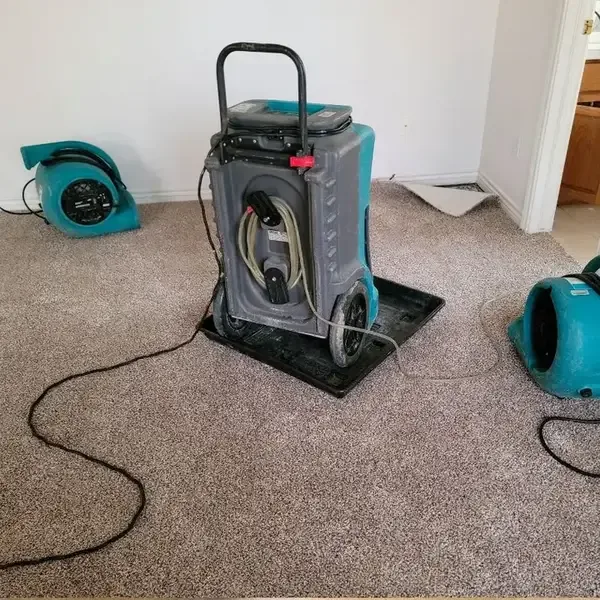
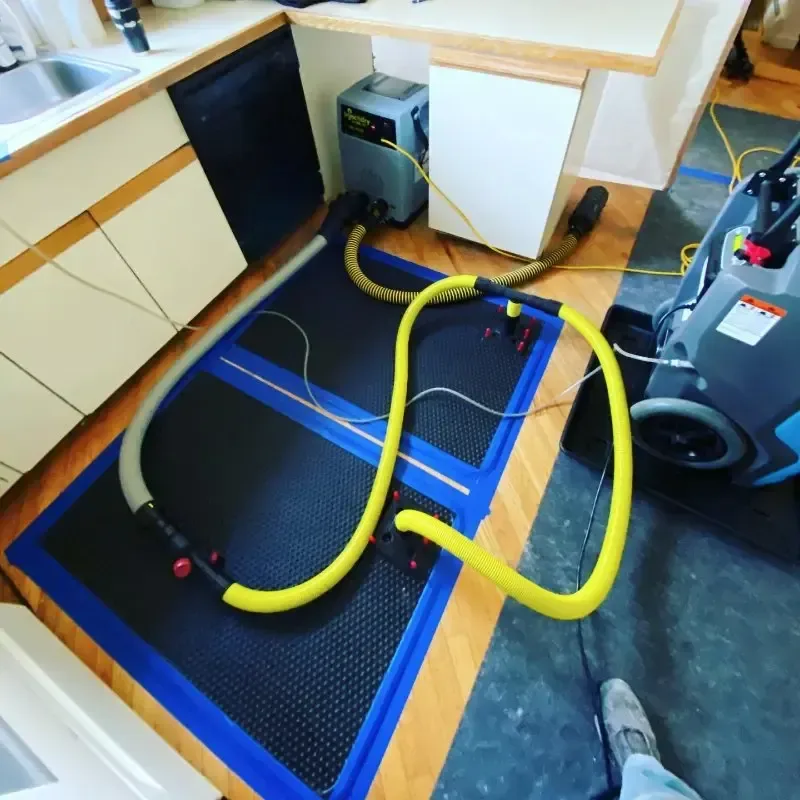
Look past the visible wet patch
A dry surface can sit above a wet layer. Inspection connects the visible damage to the materials underneath, helping the cleanup plan address the full path of the release.
Mapped spread
Moisture checks extend into adjoining surfaces so an apparently contained puddle does not define the entire scope of the work.
Material decisions
Flooring, wall finishes and insulation are assessed separately because water exposure and access affect what can remain for controlled drying.
Readable records
Photographs and dated measurements give property owners a useful record of conditions, removal decisions and changes during the drying process.
Repair coordination
The source repair and restoration work need compatible schedules, with affected cavities accessible until moisture checks support closing them again.
Cleanup matched to the source and materials
Water can travel beyond the first visible patch. Select the problem below for practical cleanup priorities, likely access needs and the factors that shape the work.
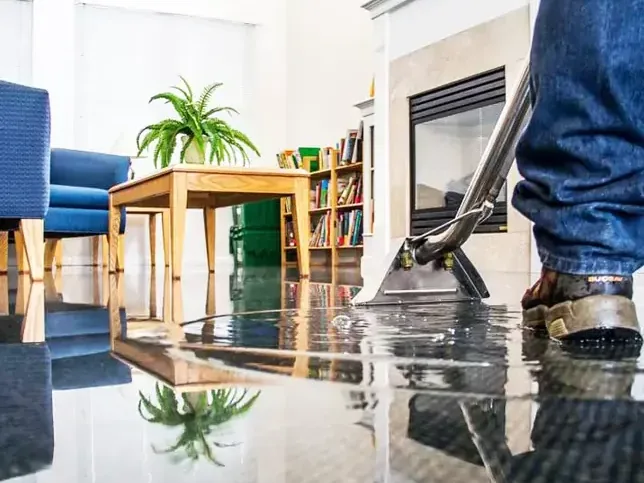 Water ExtractionStanding water comes out before detailed drying begins, with attention to soaked thresholds, floor coverings and equipment access.
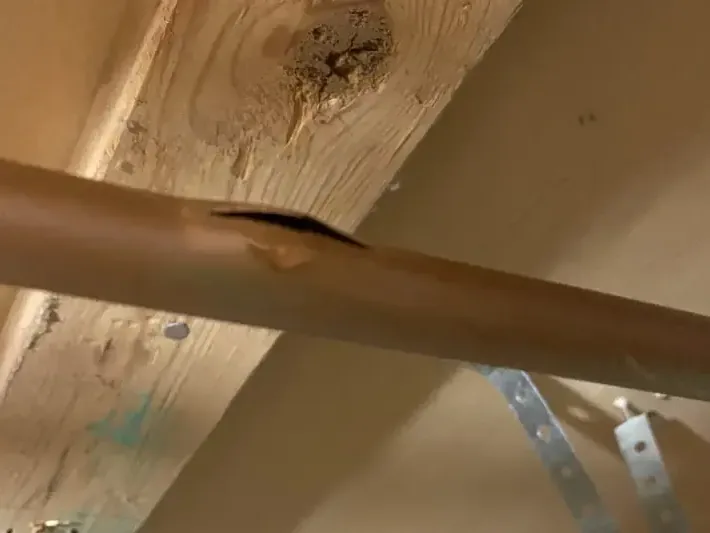 Burst Pipe Water DamageA split supply pipe can wet several connected spaces; tracing that route keeps hidden wall and floor damage visible.
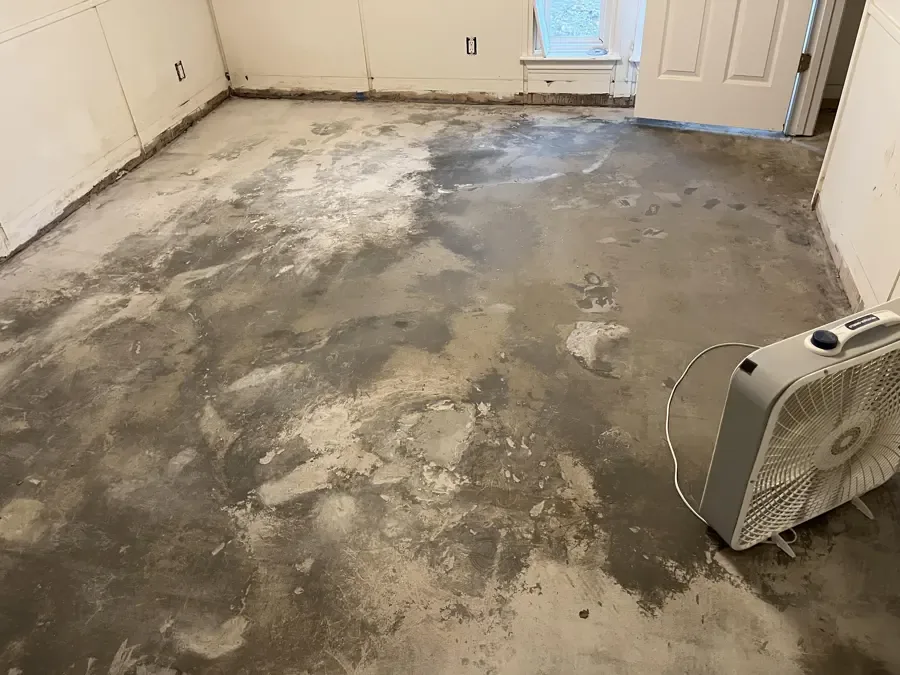 Slab Leak Water DamageDamp flooring above a concealed pipe needs targeted investigation before removal decisions, concrete drying or new finishes are considered.
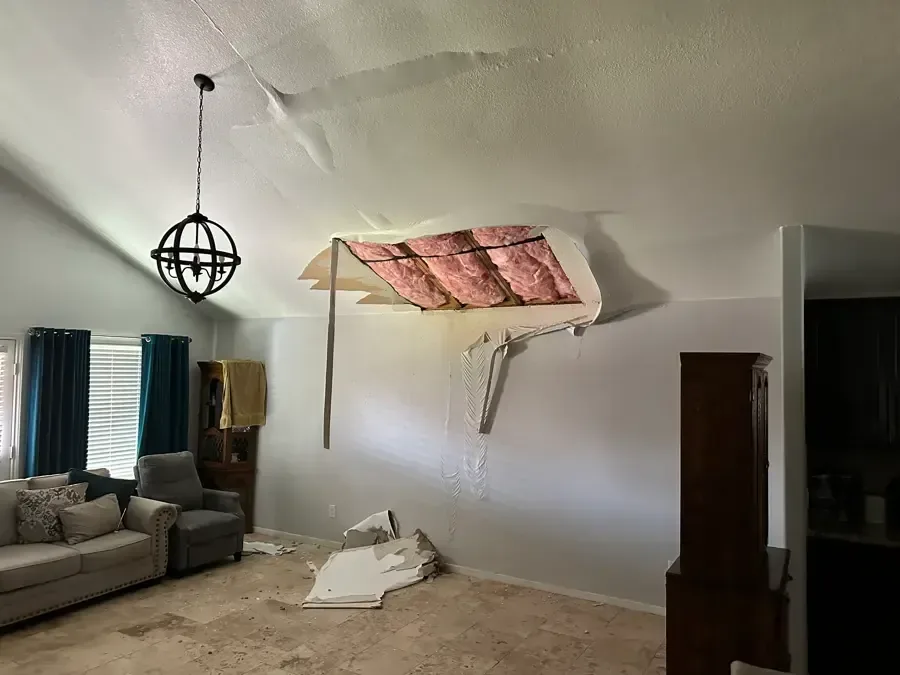 Ceiling Leak Water DamageBowing ceilings require a protected area below while the source, wet insulation and affected overhead materials are assessed.
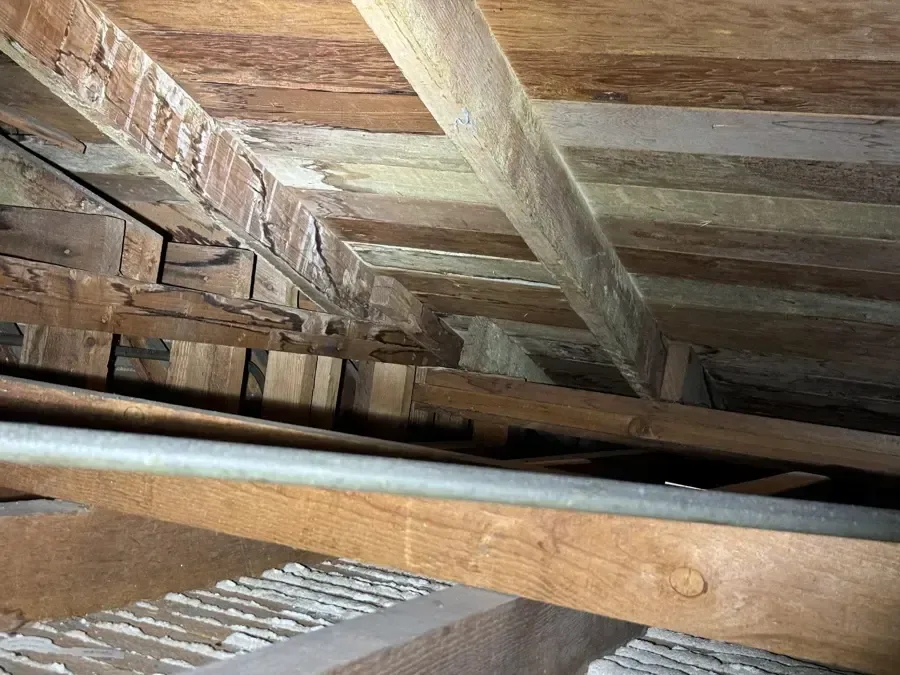 Roof Leak Water DamageRain entry can leave water inside attic assemblies after dripping stops, requiring separate roof repair and interior drying decisions.
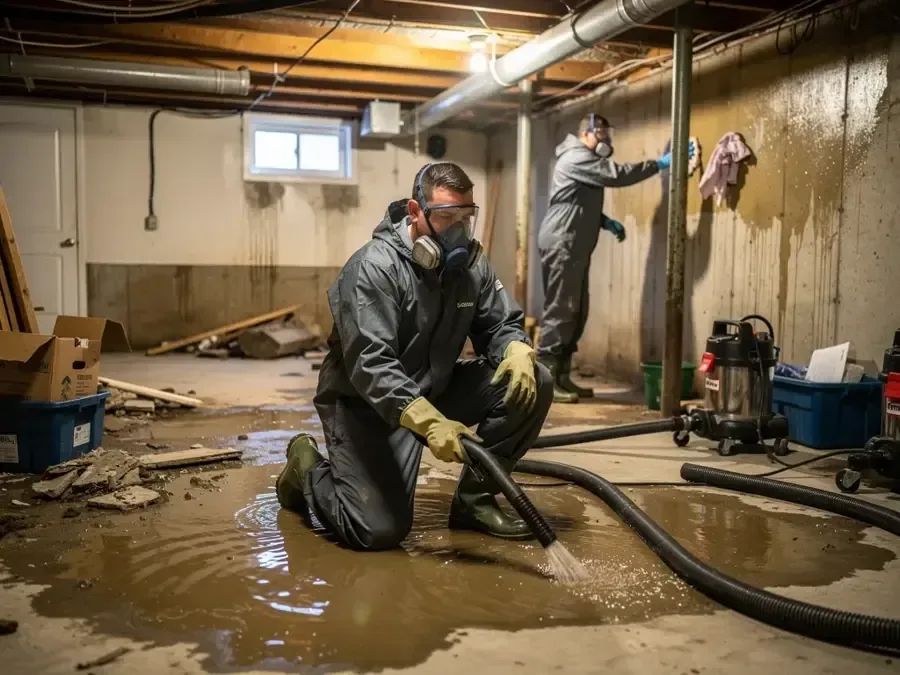 Storm Flood CleanupOutside water brings dirt and debris into rooms; safe entry, contents sorting and washable surfaces shape the cleanup sequence.
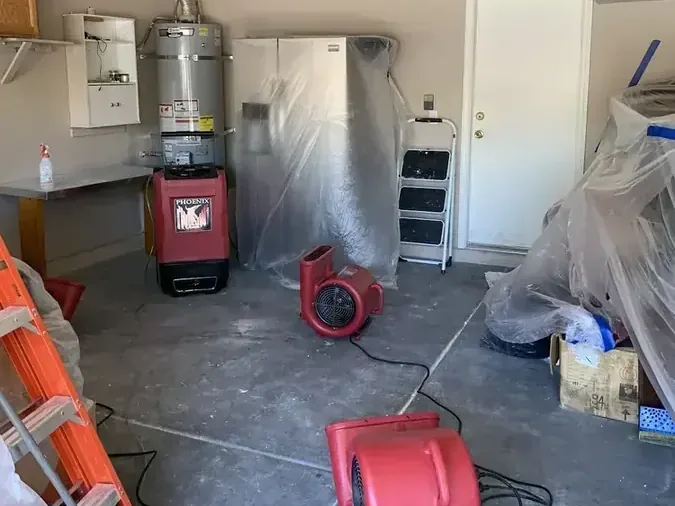 Water Heater Leak CleanupWater beside a heater can spread beneath nearby walls, making utility safety and checks beyond the tank footprint essential.
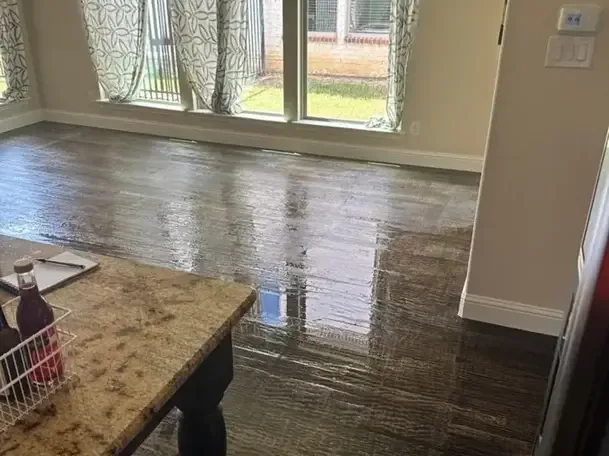 Appliance Leak Water DamageA dishwasher, washer or refrigerator release calls for inspection beneath cabinets and equipment, where a dry walkway can conceal moisture.
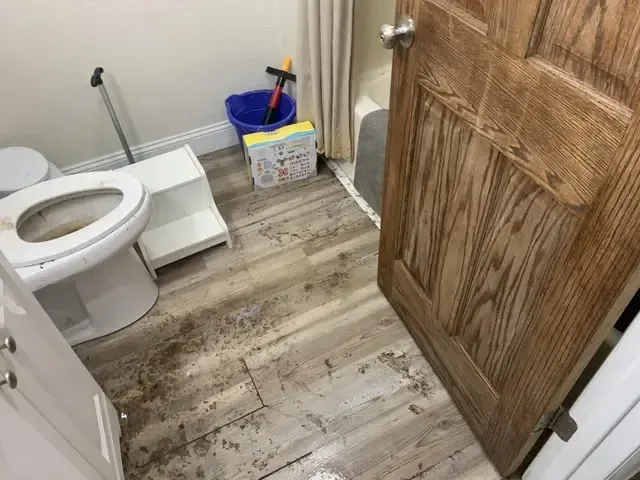 Toilet Overflow CleanupAn overflowing bowl needs prompt isolation and careful assessment of wastewater contact, including floor joints and adjacent bathroom storage.
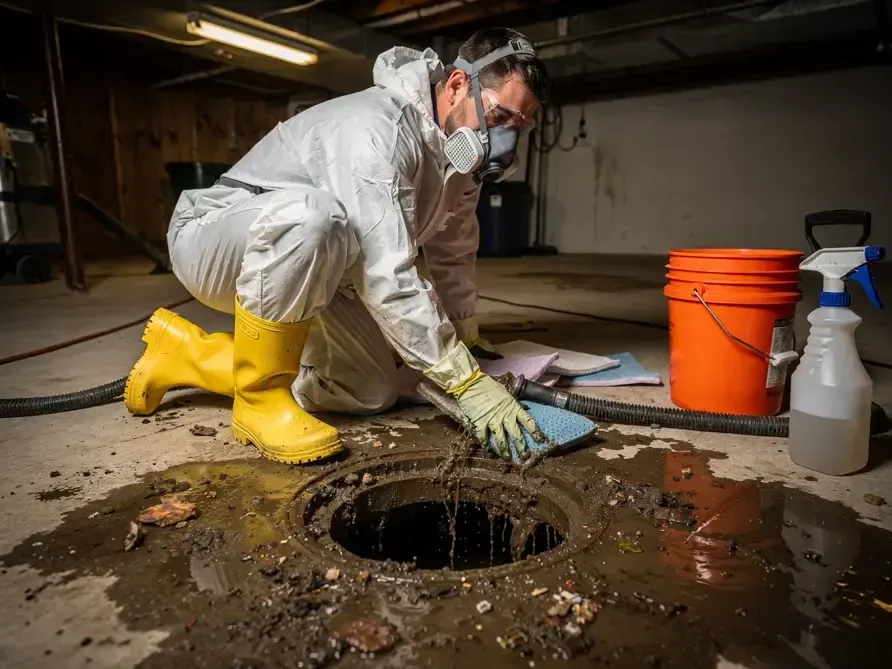 Sewage Backup CleanupSuspected sewer backups start with the borough contact instruction, followed by contamination boundaries, material removal and controlled cleaning.
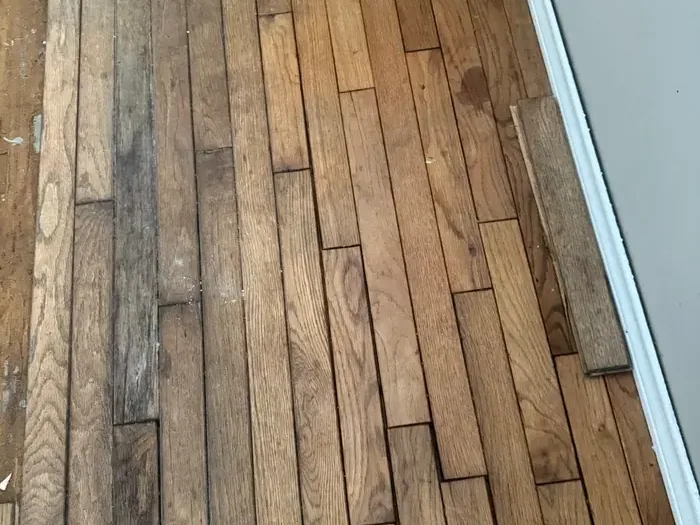 Hardwood Floor Water DamageRaised board edges need measurements through the floor assembly before sanding, refinishing or deciding whether sections can remain.
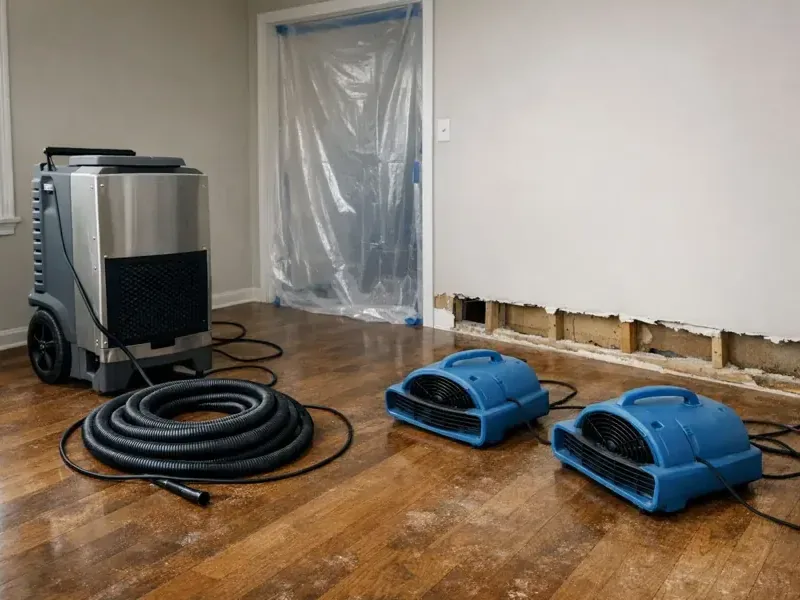 Structural DryingMoisture measurements determine access and equipment placement, then document progress inside affected walls, floors and other structural assemblies.
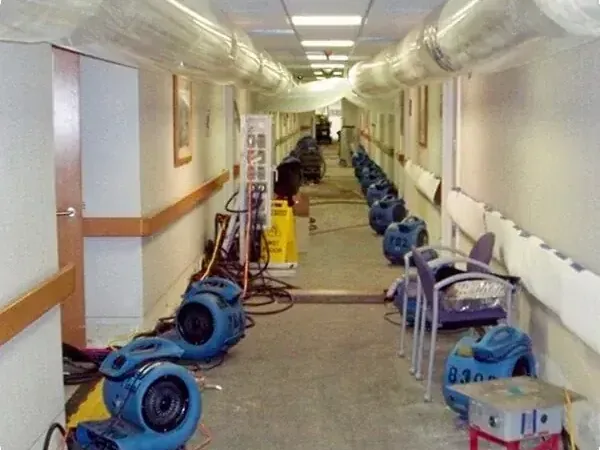 Commercial Water DamageWet business premises need a work plan that protects exits, separates affected inventory and coordinates access with building representatives.
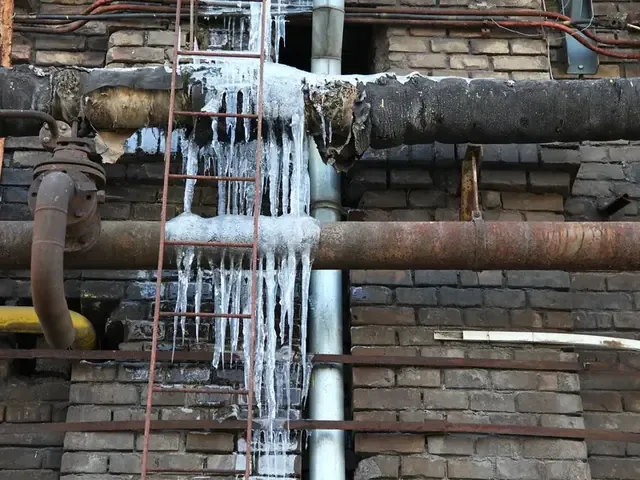 Frozen Pipe Water DamageA thawing pipe can release hidden water; shutoff, repair coordination and cavity checks address the damage left behind.
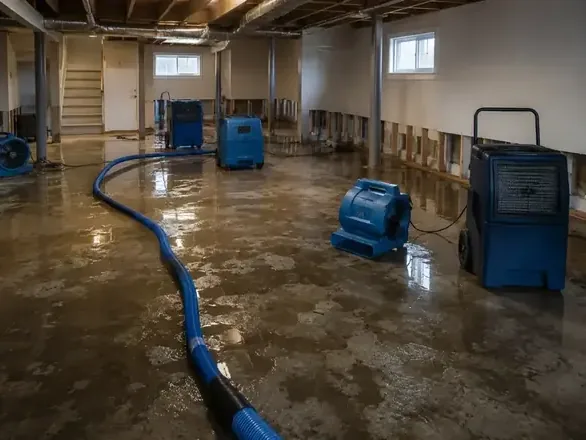 Basement Water CleanupLower-level water requires source identification and a safe removal plan, especially around electrical equipment, stored contents and finished walls.
Make the next decision from a safe location
- 1
Keep a boundary
Keep children and pets away from wet rooms, especially where dirty water, unstable ceilings or electrical equipment create immediate concerns.
- 2
Interrupt active plumbing
Close an accessible supply valve only from a dry, safe position; leave hazardous utility situations to the appropriate qualified professional.
- 3
Record visible changes
Photograph affected floors and possessions without entering standing water, and note whether the wet area grows after rainfall or fixture use.
- 4
Separate the observations
Describe water color, odor and the first affected room so the assessment can distinguish a supply leak from possible drain trouble.
- 5
Prepare an access plan
Identify a dry entrance and someone authorized to approve work, then gather any available information about shutoffs and recent plumbing repairs.
What can cleanup cost in Oradell?
Planning ranges run from $800 to $2,500 for limited damage, $2,500 to $6,500 for connected wet areas, and $6,500 to $10,000+ for extensive losses. Water condition, access and material removal determine the actual estimate.
Limited wet area
- Small accessible cleanup zone
- Focused extraction and drying
- Few affected finish materials
Connected room damage
- Water beneath adjoining finishes
- Additional cavity access needed
- Broader moisture measurement plan
Extensive water loss
- Several damaged building assemblies
- Contaminated material handling needs
- Greater equipment and labor
Compare the scope with the water damage cost calculator. The restoration company prices the inspected damage, material access and equipment needs separately from source repairs, replacement finishes and contents work.
A written estimate should distinguish water removal, cleaning, drying and repairs. Changes in concealed conditions can alter the scope after access reveals the wet layers underneath existing finishes.
A sequence that supports repair decisions
Cleanup moves from stabilizing the release to documenting dry materials. The order matters because new finishes can conceal moisture if reconstruction starts before the affected assembly is ready.
- 1
Find the water route
Trace wet surfaces and identify the source status before deciding where extraction, cleaning or cavity access belongs in the plan.
- 2
Remove water and debris
Collect recoverable water and separate damaged items, keeping dirty materials away from the dry portion of the building during handling.
- 3
Dry the affected layers
Place suitable equipment for the actual materials, then adjust airflow and humidity control as readings show where moisture remains concentrated.
- 4
Document the stopping point
Record final measurements and any remaining repair needs so the next trade understands which areas are ready for reconstruction work.
Different water releases require different handling
A broken supply pipe
Water from plumbing may travel inside cavities before reaching a room. Source control and material testing establish the first cleanup priorities.
Trace pipe spreadAn appliance discharge
Water beneath equipment can involve detergent, food residue or dirty floor cavities. Contacted materials determine cleaning and removal needs at inspection.
Inspect appliance surroundingsA drain backup
Wastewater requires separation from occupied areas and a careful contents plan. Borough guidance applies when a wider sewer backup is suspected.
Check backup responseKeep the damage story clear
A useful claim record connects the first observation, the suspected source and the work performed. Coverage questions belong with the property owner's insurance representative.
- Photos of the first visible damage
- Dates of discovery and source repair
- Room names beside each moisture reading
- Receipts for authorized emergency cleanup work
- A list of affected personal belongings
Paying directly for cleanup
An owner paying directly can request a written scope showing urgent stabilization separately from finish repairs, with any disposal charges clearly described before approval.
Ask how additional wet materials will be documented if opening a wall changes the estimate, and who must authorize that added work before it proceeds.
Different materials need different access and equipment
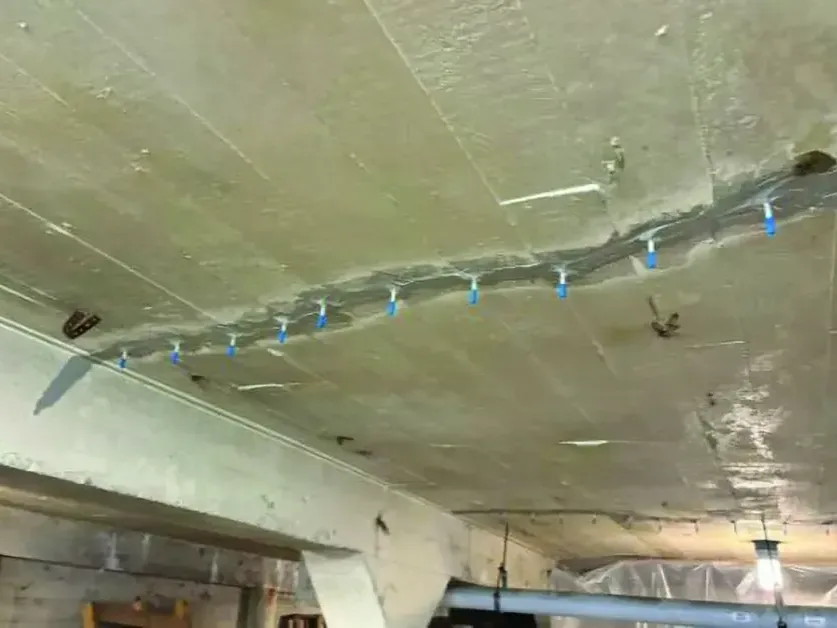
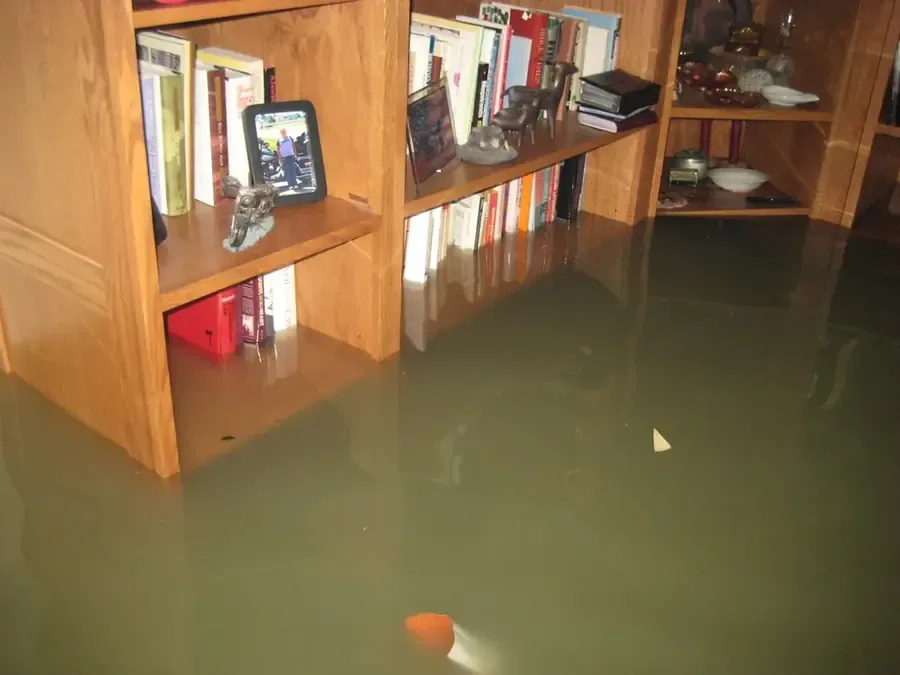
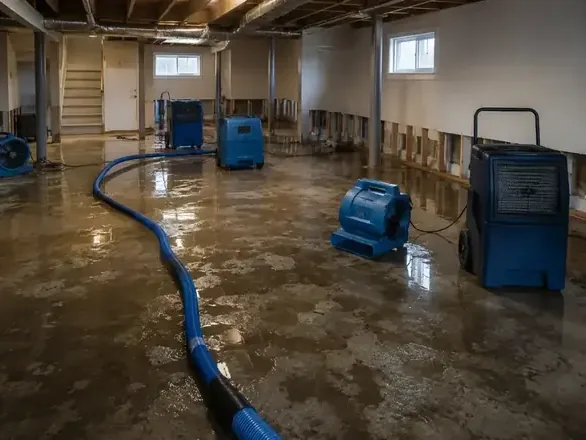
Oradell property assessments
Locations for access planning
Describe the property before arranging entry
Include the affected floor, an accessible entrance and any locked utility space when describing the property. That information helps establish a workable inspection route.
For a rental or business, identify the person who can authorize access to wet rooms and shared building areas before cleanup arrangements are finalized.
(888) 471-9821Outline the property accessPlan before the call
Nearby water damage service areas
Oradell flooding and household leak concerns
The Hackensack River and its reservoir are part of the borough's water setting. Documented flood losses make safe access and the actual entry route important assessment priorities.
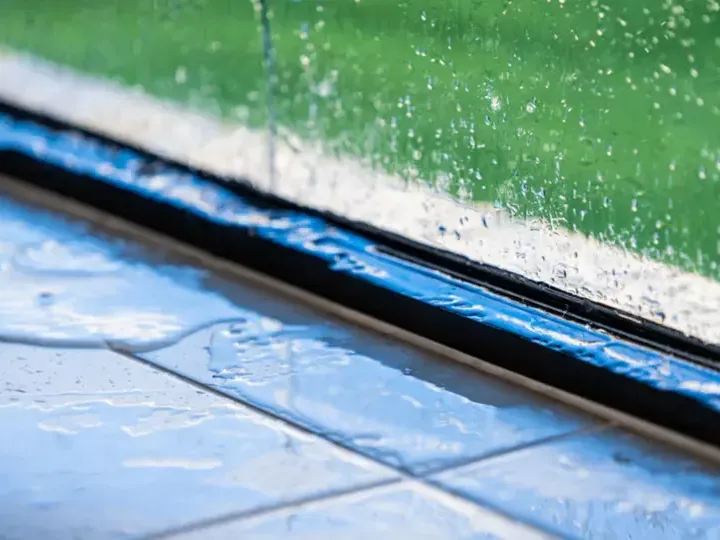
April 2022: Rising Hackensack River water flooded several blocks of homes, and flooding damaged more than 100 homes and businesses across affected parts of the borough.
Reservoir history
August 2011: Rain from Hurricane Irene overtopped the reservoir dam and worsened flooding. Storm damage assessments begin with the current property conditions.
Tributary setting
Pascack Brook and Dwars Kill feed the reservoir. Water that enters a building still needs its own source and contamination assessment before cleanup.
Concealed wet layers
The 2016 housing estimate includes substantial older construction. Inspection checks actual wall and floor assemblies before choosing openings or equipment for drying work.
Drain trouble
Suspected sewer backups should be reported to the Department of Public Works before an outside contractor so the borough can check its sewer main.
Utility access
Veolia is the listed water utility, and PSE&G handles gas and electric service. Wet equipment or unsafe access calls for qualified utility assistance.
Questions before work begins
Is a small puddle always a small job?
The visible footprint is only a starting point. Water may run beneath flooring or enter a wall before pooling in view. Measurements around the puddle and in connected materials help determine whether the damage is actually contained.
Who should hear about a suspected sewer backup first?
The borough directs residents to contact the Department of Public Works before an outside contractor so its sewer main can be checked. During that contact, keep people away from wastewater and stop using fixtures that could add to the backup.
Can cleanup begin before an insurance decision arrives?
Urgent stabilization and an insurance coverage decision are separate matters. The property owner can ask the insurer about documentation and authorization requirements while arranging necessary source control. Photographs, itemized scopes and receipts help explain the work that was performed.
Does stopping a leak finish the water damage work?
Closing a valve or repairing a roof ends the supply of new water. Moisture already inside carpet, insulation or subflooring may remain. Cleanup addresses that retained water and documents the condition of materials before the area is closed again.
What information helps with a basement assessment?
Describe whether water entered after rain, appeared near plumbing or rose through a drain. Mention electrical equipment and whether stairs can be reached safely. A dry observation point is enough; entering standing water to gather details is unnecessary.
Do old houses need every wet wall removed?
Age alone does not select the removal scope. The assessment considers actual materials, their condition, water contact and available drying access. Some assemblies can remain, while damaged or contaminated layers may need removal to make the space accessible for cleaning.
How are soaked belongings handled during cleanup?
Items are separated by material and exposure. Photographs and a written inventory record their condition before disposal decisions. Owners can identify important possessions from a safe area, while contaminated belongings stay apart from dry storage and occupied rooms.
When is a room ready for finish repairs?
The drying record should show that affected materials reached appropriate moisture goals and that the source has been addressed. A dry appearance alone is insufficient. Any damaged layers needing replacement should be identified before painting or flooring work begins.
Does the river flood history determine an individual estimate?
A past event provides context, but the estimate depends on the building being assessed. Entry points, water depth, contaminated materials and drying access affect the work. Current observations and measurements establish those details for each affected room and assembly.
Turn the visible damage into a workable plan
A clear description of the water and affected rooms helps establish the next cleanup step for an Oradell property.