Glen Rock Water Damage Restoration
A spreading puddle can connect several rooms before the source becomes obvious. Glen Rock water damage restoration starts with safe access, a clear account of the release and checks beneath affected finishes.
(888) 471-9821Discuss the damage at homeThe affected materials, water source and remaining moisture determine the cleanup plan, from a kitchen spill to a flooded lower level.
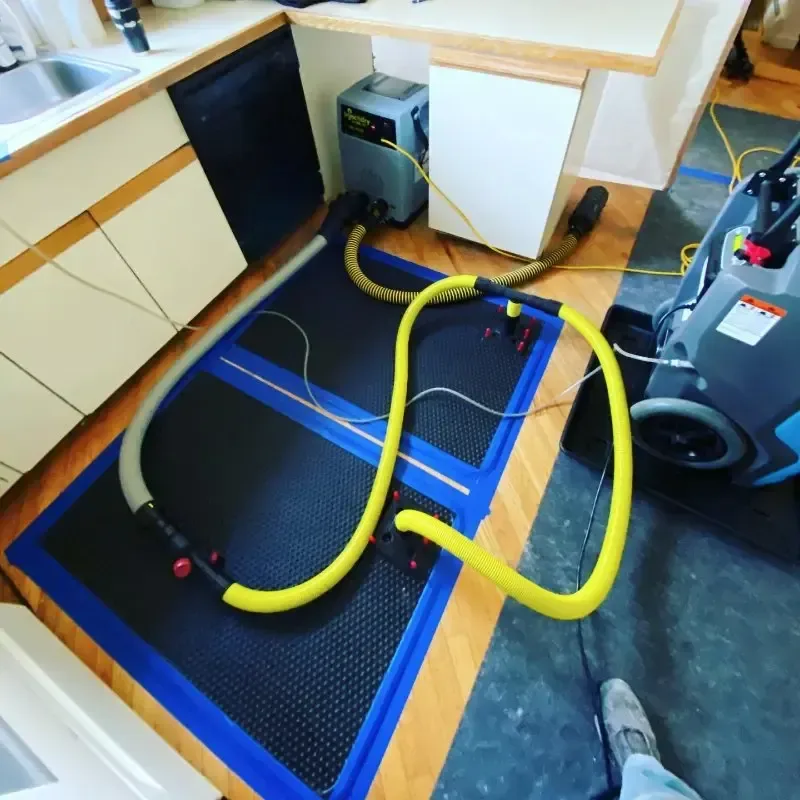
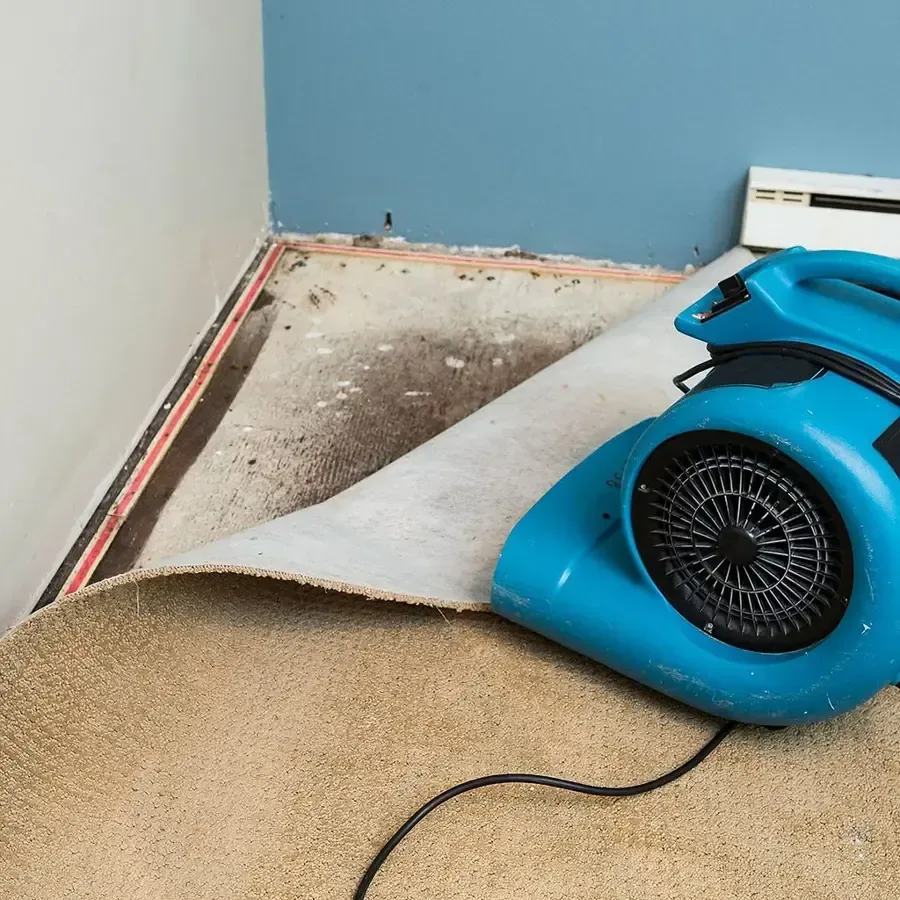
Understand what needs attention next
A homeowner needs more than a count of fans. Clear explanations connect visible damage with concealed moisture, describe necessary access and identify the checks needed before the next repair stage.
Specific boundaries
Room names and marked wet areas make the proposed scope understandable, including where moisture extends behind a wall or under flooring.
Separate responsibilities
A clear plan identifies the source repair, water cleanup and finish replacement so the owner can coordinate trades without missing a step.
Recorded progress
Material readings show whether the drying setup is working and explain changes when a dense or enclosed assembly remains wet longer.
Practical communication
Access arrangements, protected belongings and the next inspection point belong in the conversation alongside costs and the equipment occupying the room.
Different releases need different cleanup plans
The source provides a starting point. The service descriptions below explain where moisture travels, what needs protection and how the affected assembly gets assessed.
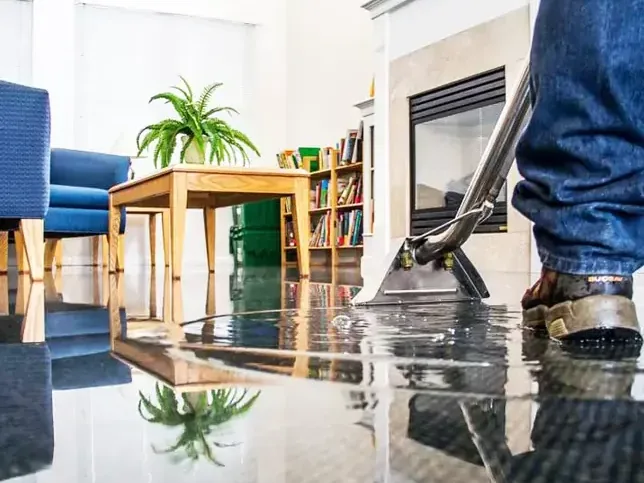 Water ExtractionStanding water must leave before drying can progress; removal methods account for depth, debris and the surfaces beneath it.
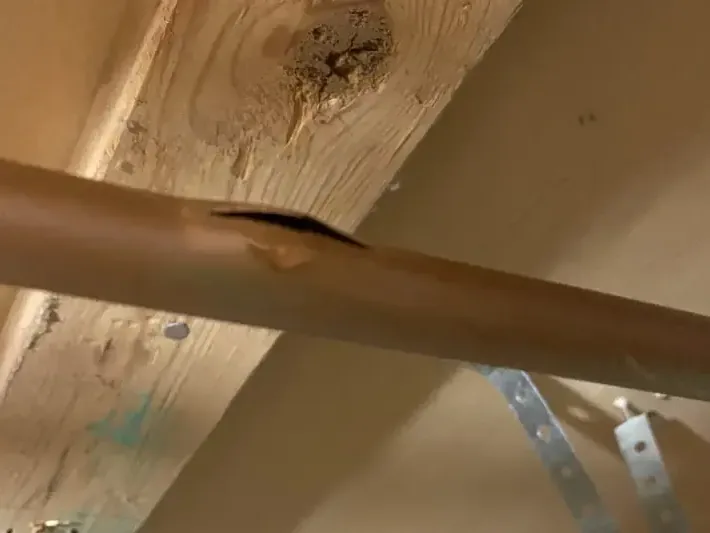 Burst Pipe Water DamageA broken supply pipe can wet distant rooms through cavities; cleanup follows the release beyond the visible opening.
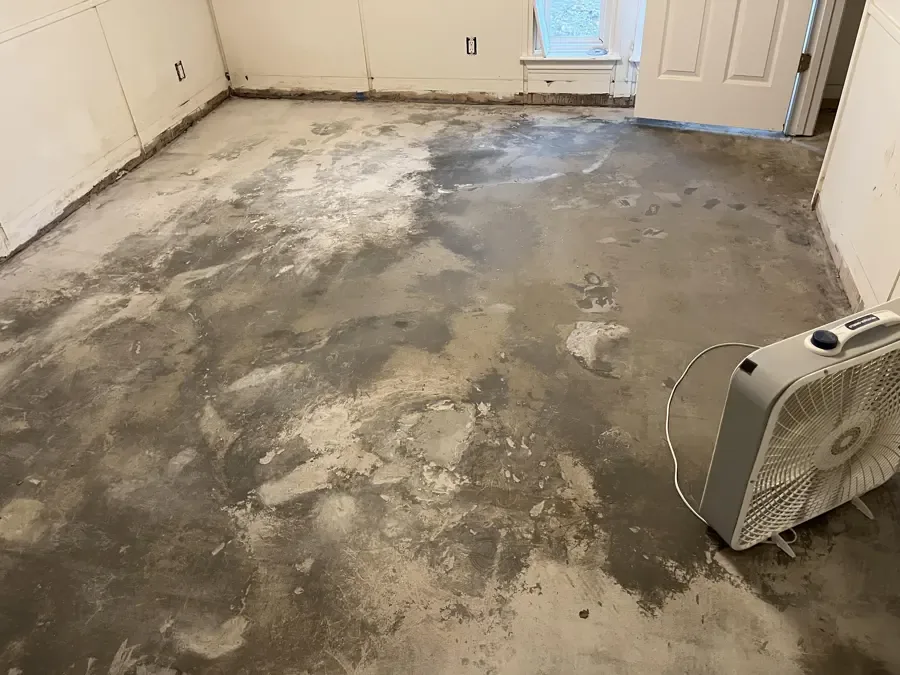 Slab Leak Water DamagePersistent floor moisture calls for source detection and layer checks before damaged finishes conceal the next stage of work.
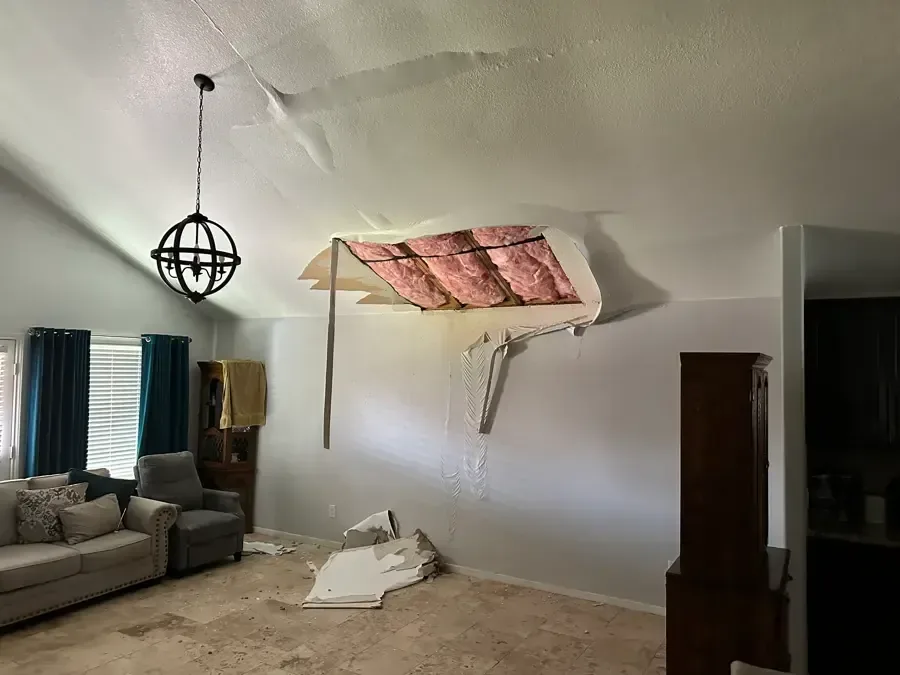 Ceiling Leak Water DamageA ceiling stain marks a destination; assessment traces overhead moisture and addresses weakened material before anyone works underneath.
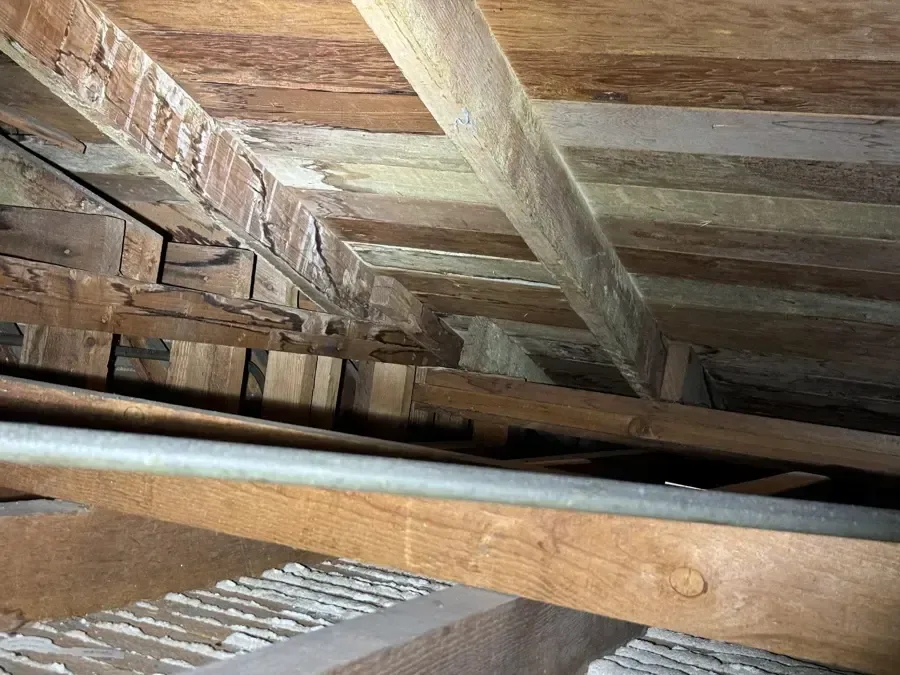 Roof Leak Water DamageRain entering above the ceiling can travel along framing, leaving insulation and interior finishes wet beyond the first drip.
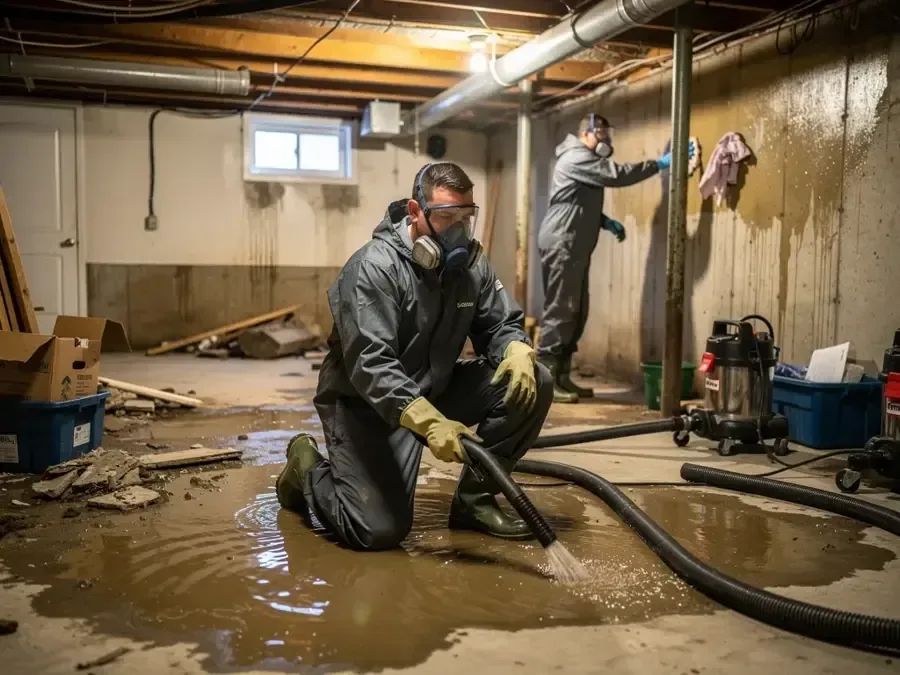 Storm Flood CleanupOutdoor water brings a different cleanup burden, with debris, contacted contents and safe access shaping removal and drying decisions.
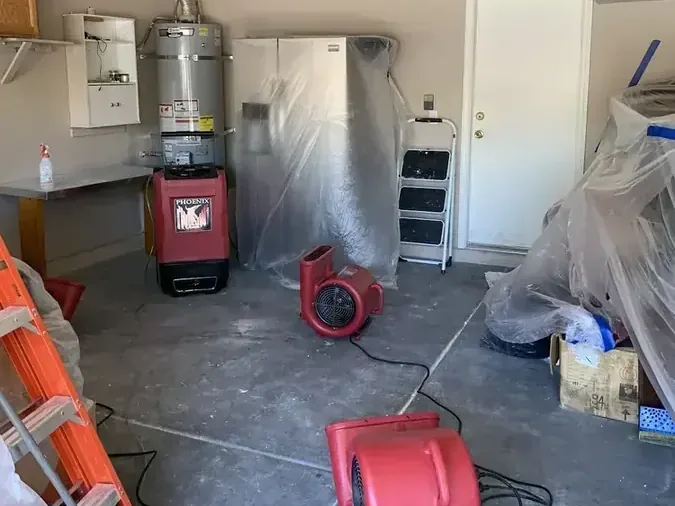 Water Heater Leak CleanupWater around a tank can reach walls and adjoining flooring; the cleanup scope extends beyond replacing the leaking appliance.
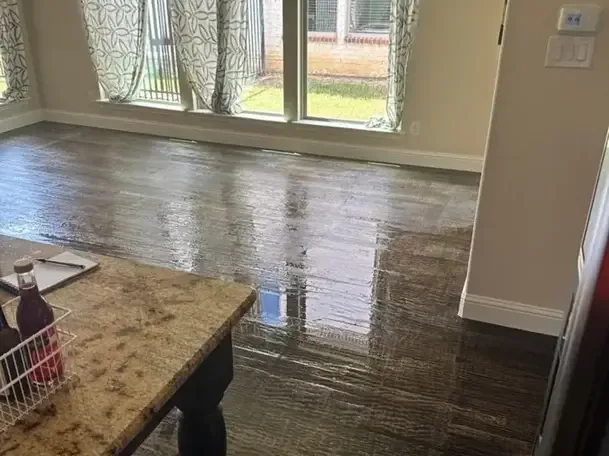 Appliance Leak Water DamageA dishwasher or washer release may hide under cabinets, requiring careful access to flooring layers and enclosed wet edges.
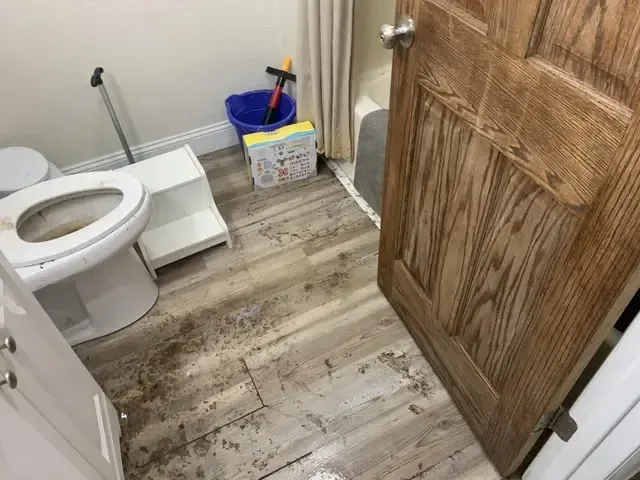 Toilet Overflow CleanupBathroom overflow cleanup separates affected surfaces from household traffic and evaluates wastewater contact before drying equipment starts moving air.
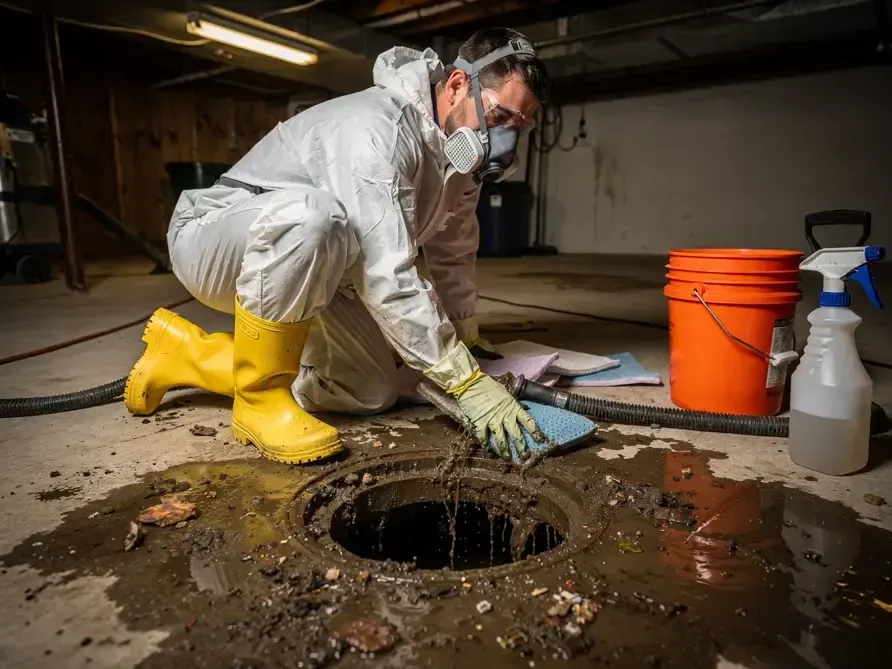 Sewage Backup CleanupSewage entering a room requires controlled handling, removal of unsuitable porous materials and cleaning before retained surfaces can dry.
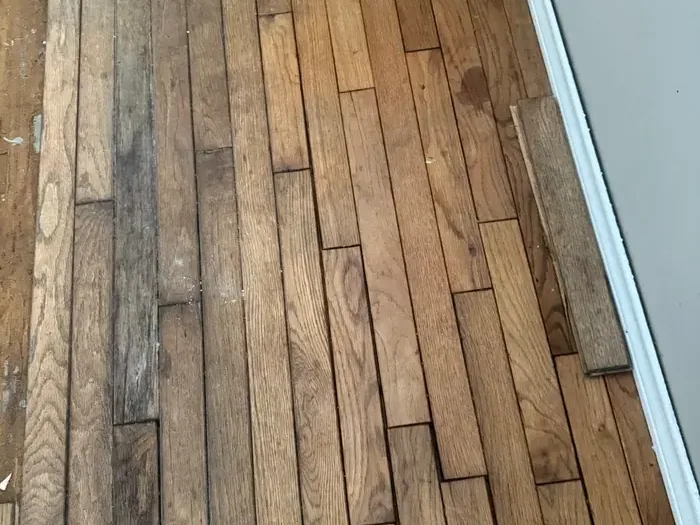 Hardwood Floor Water DamageChanges in board shape call for moisture measurements across the floor assembly before repair, sanding or replacement decisions proceed.
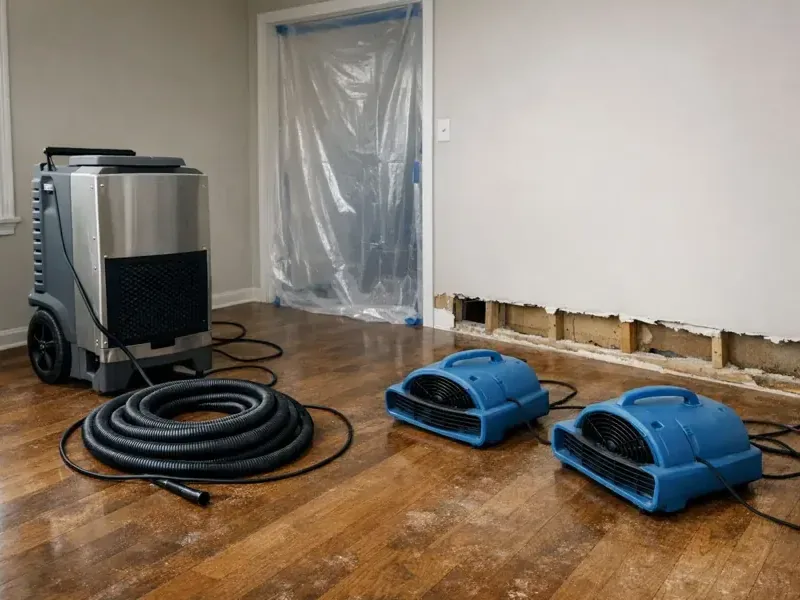 Structural DryingDrying targets moisture inside retained building materials, with equipment adjustments and recorded readings showing progress beyond a dry surface.
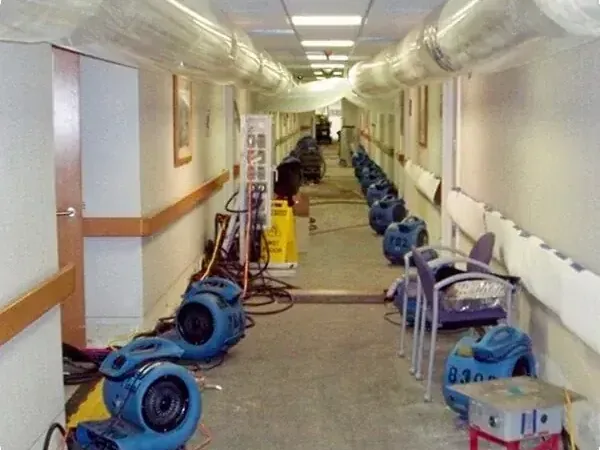 Commercial Water DamageBusiness cleanup protects access and separates wet work areas while the manager coordinates affected inventory, shared spaces and repair responsibilities.
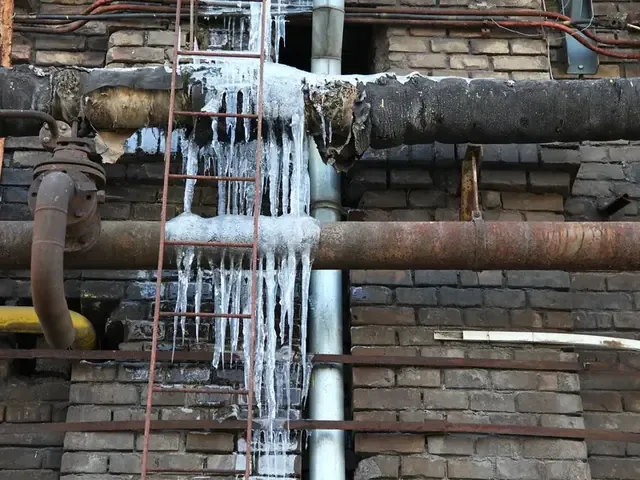 Frozen Pipe Water DamageA thaw can expose a split pipe; stopping the release and checking insulated cavities prevents hidden wetness from being overlooked.
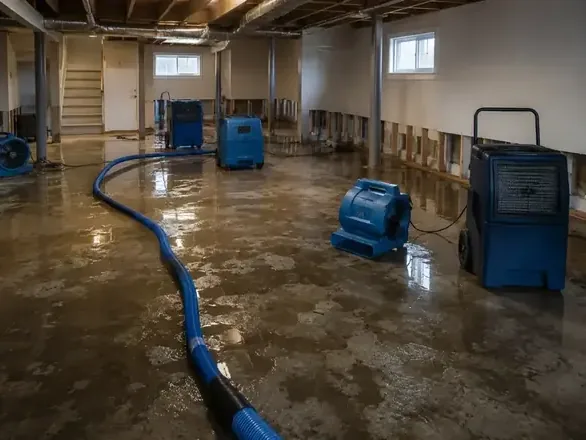 Basement Water CleanupLower level cleanup accounts for stairs, electrical hazards and water behind finishes before extraction gives way to controlled material drying.
Keep the household clear of the wet area
- 1
Notice the hazards
Wet outlets, a sagging ceiling or wastewater change the access plan. Household members should remain outside any area with uncertain safety.
- 2
Stop a reachable source
A known supply valve may limit plumbing damage when accessible from dry footing. A hazardous approach requires qualified help instead of entry.
- 3
Keep a visible record
Photographs from a safe doorway can show water extent, damaged belongings and the source area before cleanup changes the room's appearance.
- 4
Separate clean belongings
Dry items can remain outside the affected space. Carrying dripping contents through other rooms spreads moisture and complicates the eventual cleanup boundary.
- 5
Describe the affected rooms
A useful damage report identifies the apparent source, wet surfaces, any floor above or below and obstacles to entering the property safely.
What shapes a Glen Rock cleanup estimate?
Planning ranges run from $800 to $10,000+ depending on the release. Room count alone misses concealed wet layers, contamination and access problems. The written scope should distinguish extraction, material removal, drying and any later repairs.
Contained interior release
- Accessible wet floor area
- Limited removal of finishes
- Focused moisture measurement visits
Connected room damage
- Water behind room edges
- Several wet material layers
- Equipment across connected spaces
Extensive difficult cleanup
- Broad contaminated material contact
- Difficult access for removal
- Expanded drying and documentation
Compare the scope with the water damage cost calculator. The restoration company prices the inspected damage, material access and equipment needs separately from source repairs, replacement finishes and contents work.
These amounts support early planning. The condition of the actual rooms determines the estimate; plumbing repairs, replacement finishes and insurance decisions need their own clearly identified treatment.
Follow the water through the building
A useful restoration scope connects the source, the damaged materials and the drying endpoint. Each stage should leave a record that explains the next decision for the property.
- 1
Define the wet boundary
Inspection follows connected walls and floors, including concealed spaces where the release could travel away from the first visible puddle.
- 2
Remove water and debris
Extraction and appropriate material removal create access to wet assemblies, with contaminated waste handled separately from belongings that remain dry.
- 3
Adjust the drying conditions
Equipment placement accounts for material density, room connections and evaporation, while repeated readings reveal areas needing a different approach or access.
- 4
Document readiness for repairs
Final moisture checks and a concise work record help the owner distinguish completed drying from the separate task of restoring finishes.
Water condition changes what can remain
Supply water release
A plumbing break requires prompt source control, followed by evaluation of everything contacted as the water traveled through the building.
Pipe release cleanupWater from an appliance
An appliance spill depends on the machine cycle and contacted surfaces; cleanup decisions account for hidden flooring and cabinet edges.
Appliance spill assessmentSewage contacting a room
Wastewater requires restricted access and deliberate removal decisions before equipment can dry the retained structure without spreading contamination into clean spaces.
Wastewater cleanup detailsOrganize the damage documentation
Photographs and work notes help describe the loss accurately. Coverage depends on the policy and cause, so the insurer determines the claim decision.
- Source location and discovery circumstances recorded
- Wide photographs showing each affected room
- Close views of damaged material edges
- Item descriptions for affected household belongings
- Drying readings and itemized work documents
When paying directly
A written estimate should explain the work included, the conditions that could expand it and how unexpected concealed damage will be discussed.
Keeping source repairs and finish replacement distinct from cleanup makes comparisons easier and helps the owner plan the next stages of restoring the room.
Removal and drying reach different parts of a room
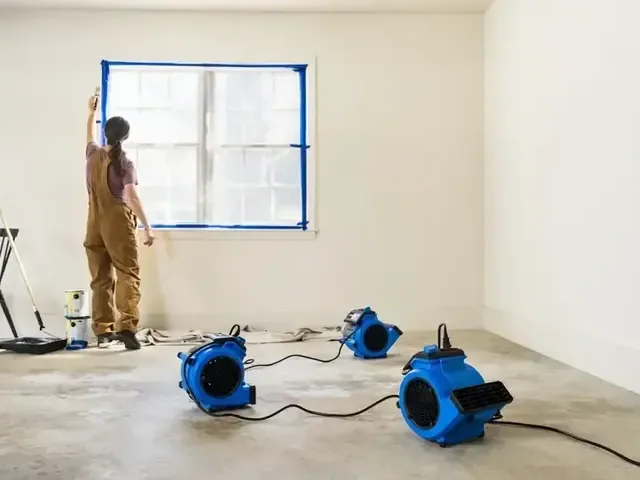
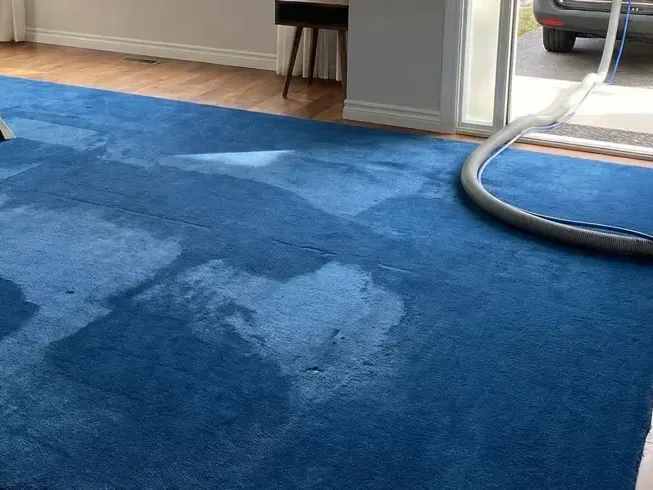
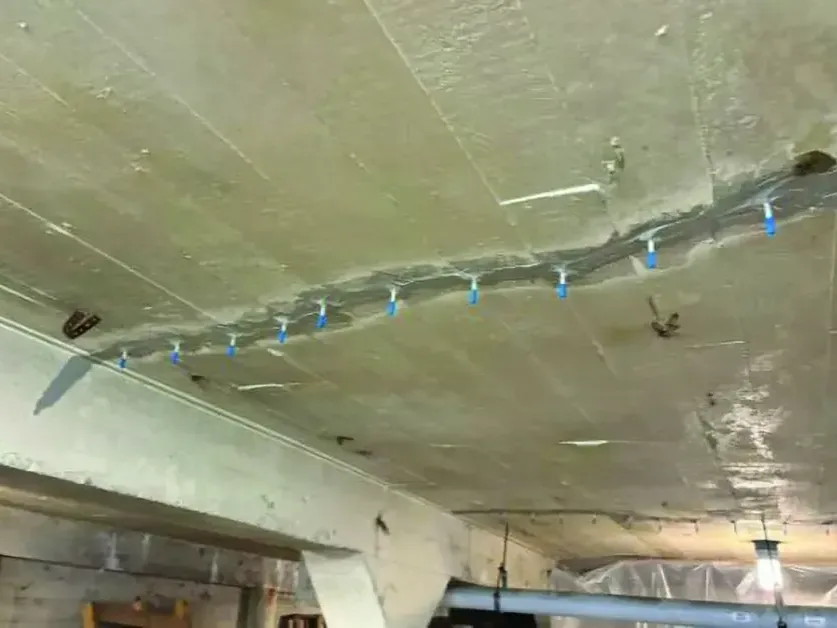
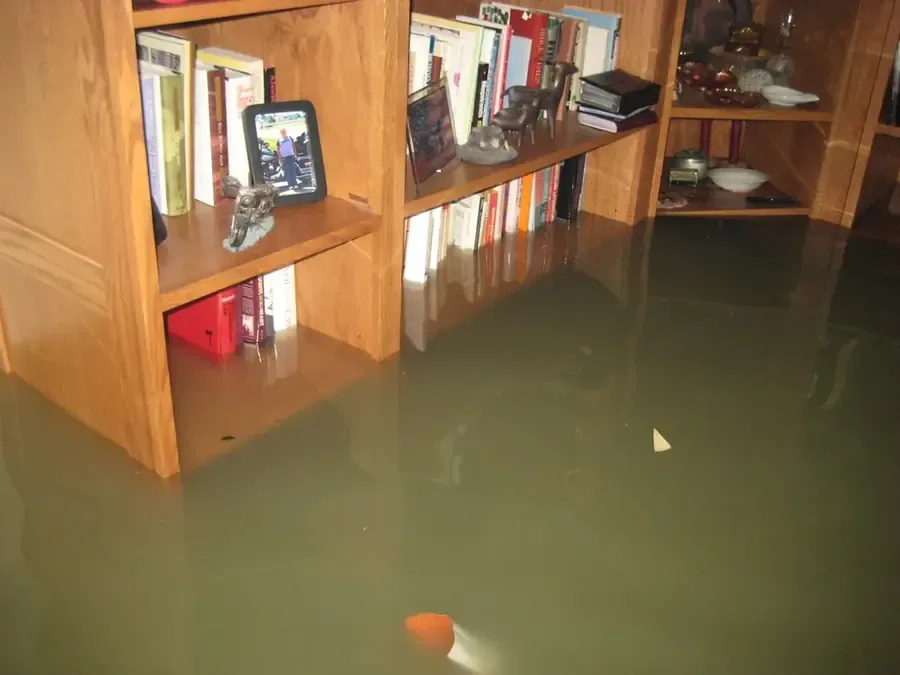
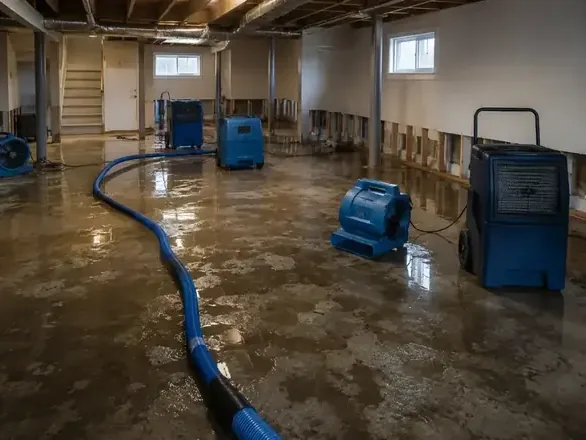
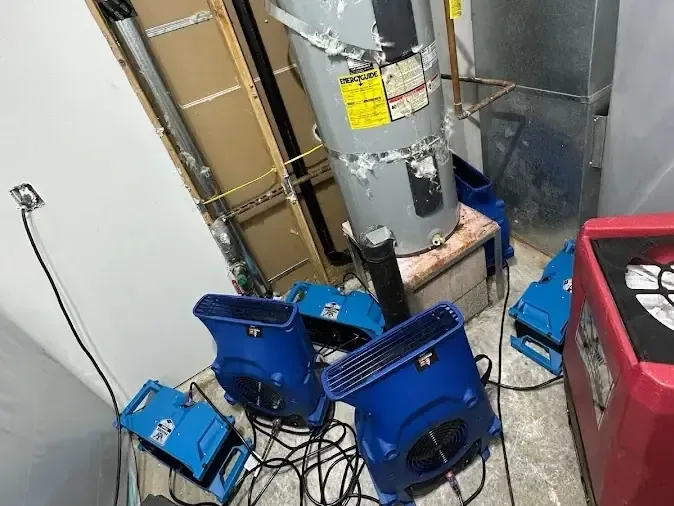
Water cleanup in Glen Rock
Places and corridors
Describe access as well as the damage
The central business district runs along Rock Road between the train stations. Business access may need coordination with occupants and those responsible for adjoining spaces.
For a household property, useful details include the entry arrangement, affected level and whether water has crossed into rooms beyond the original source.
(888) 471-9821Share the property conditionsPlan before the call
Nearby water damage service areas
A changing picture of water entry
Glen Rock reported flooding in previously unaffected areas during September 2026. Outdoor water deserves attention alongside everyday plumbing releases when deciding how moisture reached an interior room.
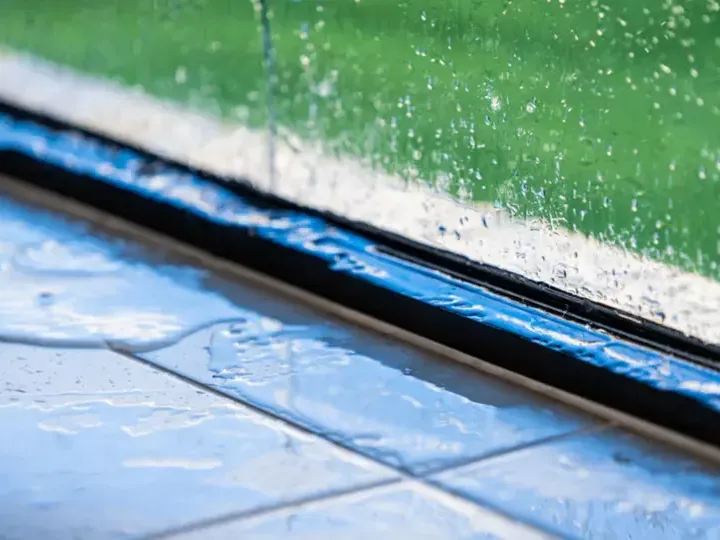
September 24, 2026: The borough reported recent rain had flooded previously unaffected areas and said staff and professionals were working on solutions to the flooding.
Eastern brook setting
Ho-Ho-Kus Brook runs along the eastern side of the borough. Inspection identifies the water entry route at the affected property.
Western watercourse
Diamond Brook flows through the western part of town. Water entering from outdoors requires attention to debris and the surfaces it has contacted.
Flood plain location
The flood plain beside Ho-Ho-Kus Brook includes land east of Prospect Street and south of Grove Street, providing context for discussing outdoor water entry.
Overhead rain entry
The borough's September notice warned of a potential northeaster. Rain related ceiling damage needs a safe inspection above the stain and a separate source repair.
Household supply leaks
An indoor pipe or appliance can wet floors regardless of nearby watercourses. Stopping that source and tracing concealed spread keeps the cleanup specific to the release.
Questions before cleanup starts
What if the source is still unclear?
The pattern of damage helps direct inspection. A ceiling mark, wet floor edge or overflowing drain points to different possibilities. The assessment should establish how water arrived before cleanup decisions assume a plumbing, roof or outdoor source.
Can a room look dry while materials remain wet?
Yes. A finish can lose its surface water while moisture remains beneath flooring or inside a wall. Readings in affected assemblies help identify those areas, and repeat checks show whether the drying approach is reaching them.
Does the borough flooding notice change every property's risk?
The September notice reported flooding in areas that had not flooded before. For an affected home, the important details are where water entered, what it contacted and whether access remains safe. Property conditions determine the actual cleanup scope.
What should happen around a bulging ceiling?
The space below a weakened ceiling needs to remain clear. A qualified assessment can address overhead instability and the source above it. Puncturing the bulge or placing a container directly underneath can expose someone to falling material.
Is replacing a leaking appliance enough?
A replacement stops that equipment problem, but water already beneath cabinets or inside flooring can remain. Cleanup examines the surrounding materials and any connected room edges, then determines whether extraction, access openings or controlled drying are still needed.
How does sewage cleanup differ from a supply leak?
Sewage contact changes material handling and access precautions. Affected porous items may require removal, and retained surfaces need appropriate cleaning before drying. Keeping household traffic away limits the transfer of wastewater into rooms that were initially unaffected.
Which documents help explain the cleanup charge?
An itemized scope should identify affected rooms, water removal, material handling, equipment and monitoring. Photographs and moisture records connect the charges to the damage. Source repairs and rebuilding should be identified separately whenever they sit outside that cleanup scope.
When can damaged finishes be restored?
The leaking source needs correction and retained materials need suitable moisture conditions before finishes close the assembly. A recorded drying endpoint provides a basis for that handoff. Appearance alone cannot show whether a concealed layer is ready for reconstruction.
What information helps with a Rock Road business loss?
The manager can identify affected tenant spaces, stock and required access routes. Details about adjoining occupied areas and who controls the source repair help organize the work. The cleanup boundary should remain clear to staff throughout the restoration process.
Give the water damage a clear next step
Describe the release, the rooms involved and current hazards so the assessment starts with the property's actual conditions.