Water Damage Help in River Edge
A spreading puddle, swollen floor or dripping ceiling needs a practical next step. Water damage cleanup in River Edge begins with safe access, source control and a close look at affected materials.
(888) 471-9821Describe the damage needing attentionThe cleanup scope follows the rooms and building layers actually affected, with attention to moisture concealed beyond the visible spill.
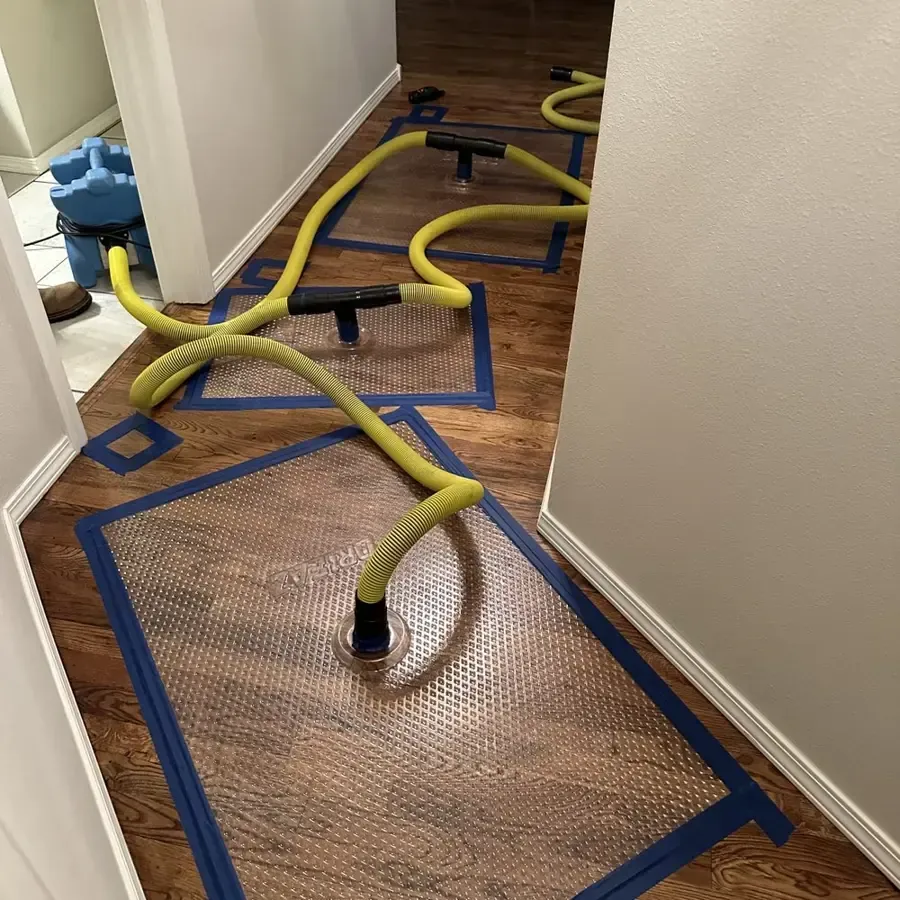
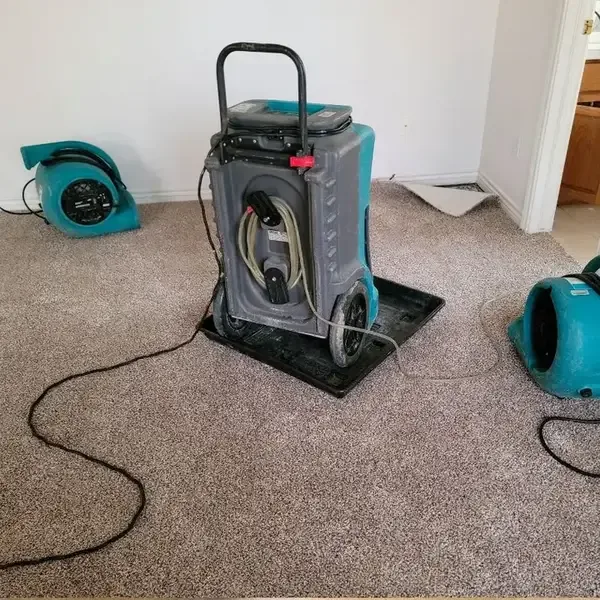
A dry surface is only the beginning
Water damage decisions should account for the hidden side of the finish. Measurements, access and material condition determine whether an assembly can dry in place or needs opening.
Visible boundaries
Wet edges get marked and compared with nearby dry areas so the scope extends beyond the easiest puddle to see.
Source separation
Plumbing repair and material cleanup address different problems. A controlled leak lets drying progress without another release undoing the work.
Specific material decisions
A saturated wall covering and a solid framing member need different treatment. Removal should match contamination, condition and drying access.
Readable progress records
Equipment settings and repeat measurements explain how the structure changes. The closing record should identify what remains for repair afterward.
Cleanup matched to the way water entered
Different releases need different handling. Select the condition that resembles the damage, then discuss the source, affected surfaces and access before cleanup begins.
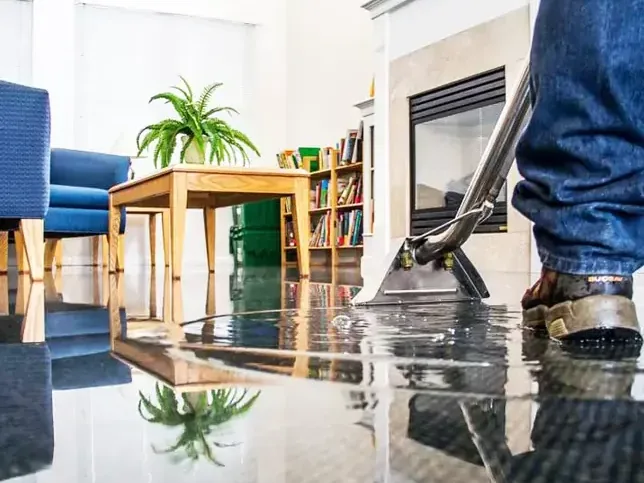 Water ExtractionStanding water can cover a much larger wet assembly. Extraction clears the surface so moisture mapping can reach the edges.
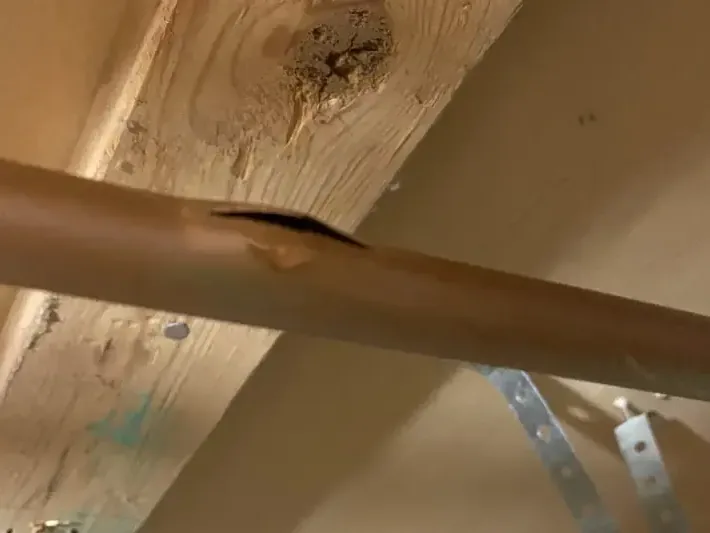 Burst Pipe Water DamageA broken supply pipe may wet several rooms before discovery. Cleanup follows the release through walls, floors and openings.
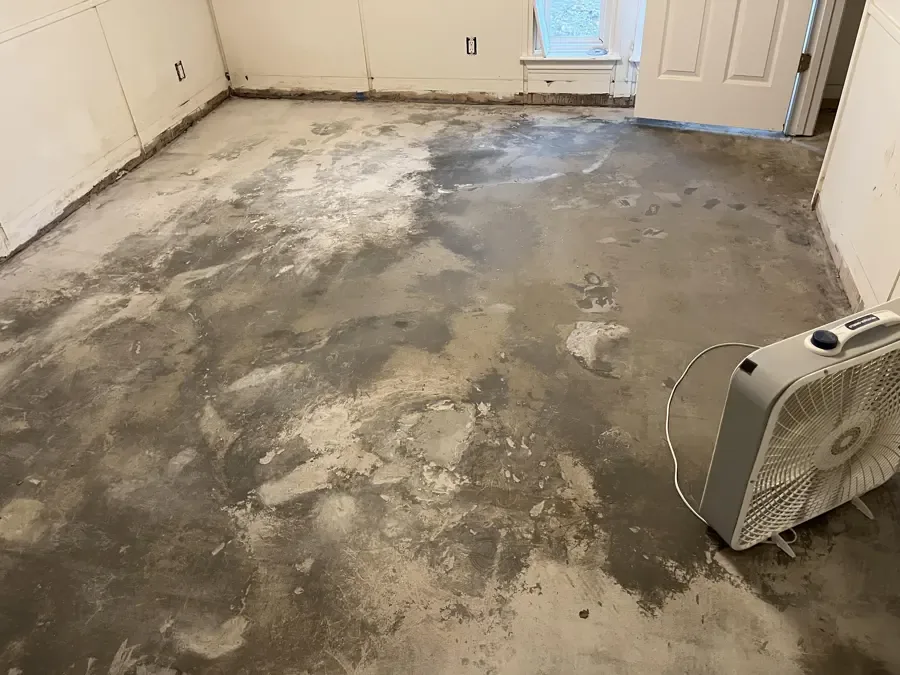 Slab Leak Water DamageDamp flooring above concrete calls for source testing and assembly identification before flooring removal or a drying strategy is selected.
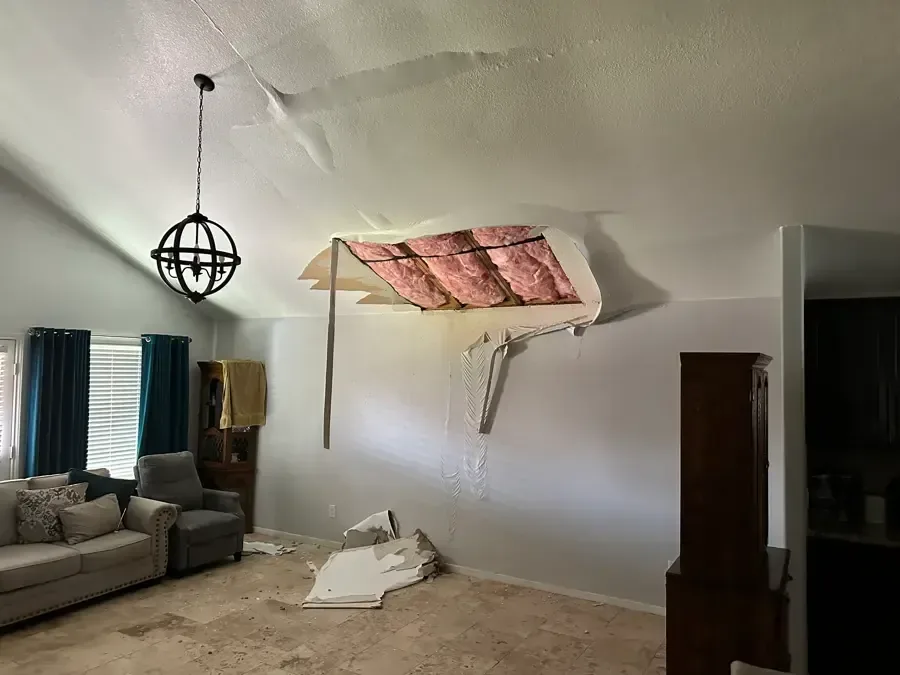 Ceiling Leak Water DamageA wet ceiling needs a stability check first. The investigation then follows water upward into the cavity above the stain.
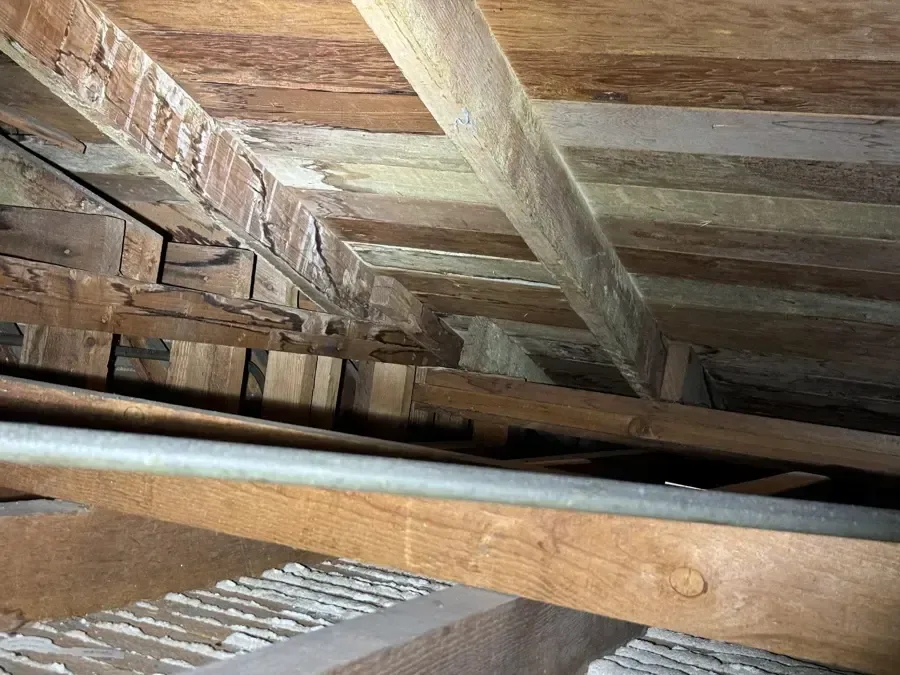 Roof Leak Water DamageRain entering overhead can travel along framing. Interior cleanup addresses wet insulation and finishes after the roof opening is controlled.
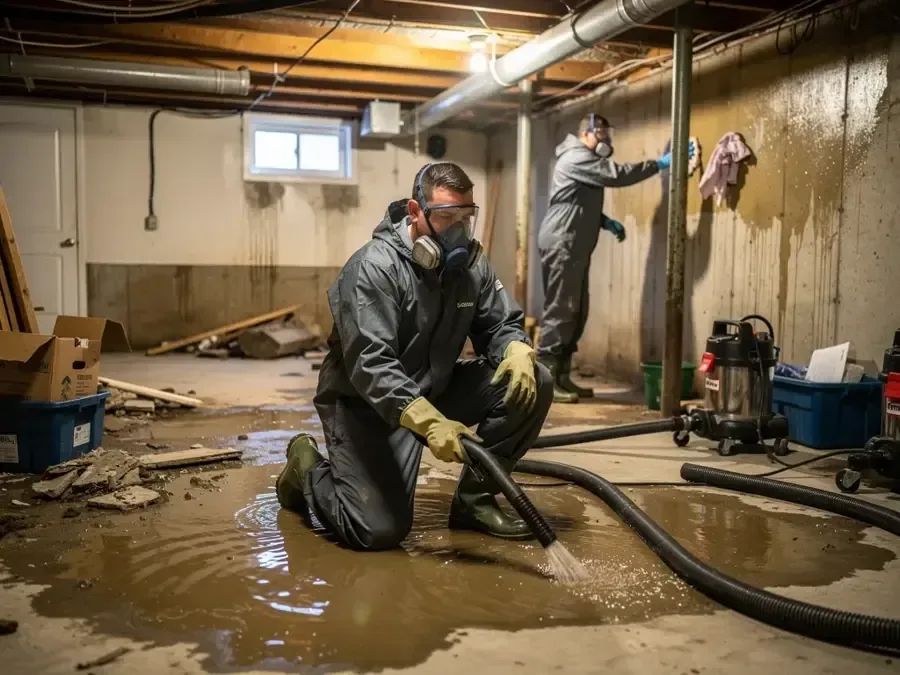 Storm Flood CleanupOutdoor floodwater brings sediment inside. Removal, cleaning and material decisions depend on the entry route and everything the water touched.
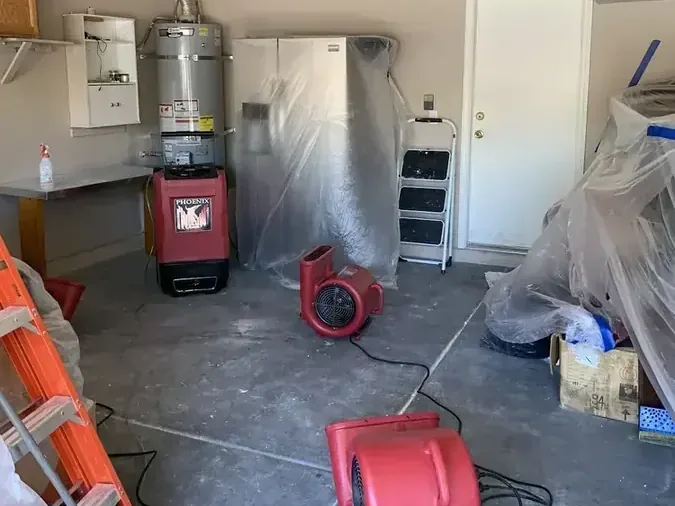 Water Heater Leak CleanupA leaking tank can soak the utility area and adjoining finishes. Drying includes the floor beneath nearby shelving and partitions.
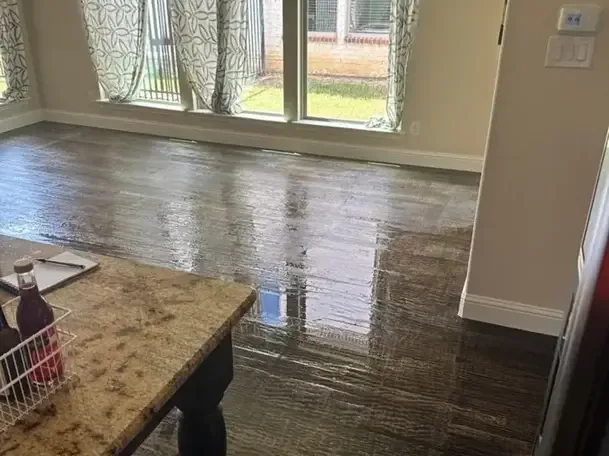 Appliance Leak Water DamageWater escaping beneath a washer or dishwasher may hide behind cabinets. The cleanup boundary includes connected cavities and floor layers.
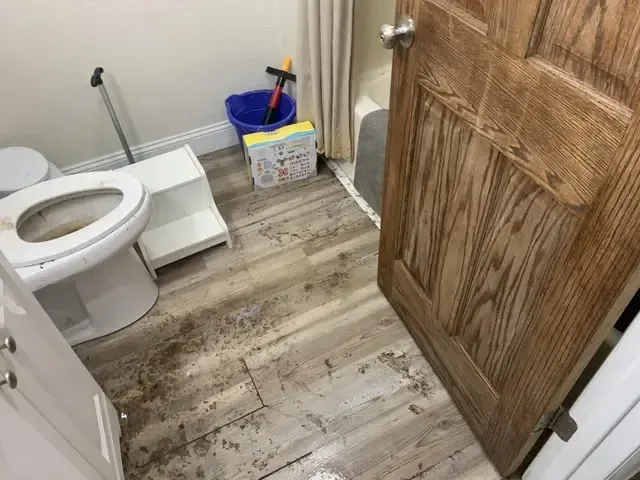 Toilet Overflow CleanupAn overflowing toilet needs restricted access and careful contamination assessment. A bathroom floor can conceal spread along joints and thresholds.
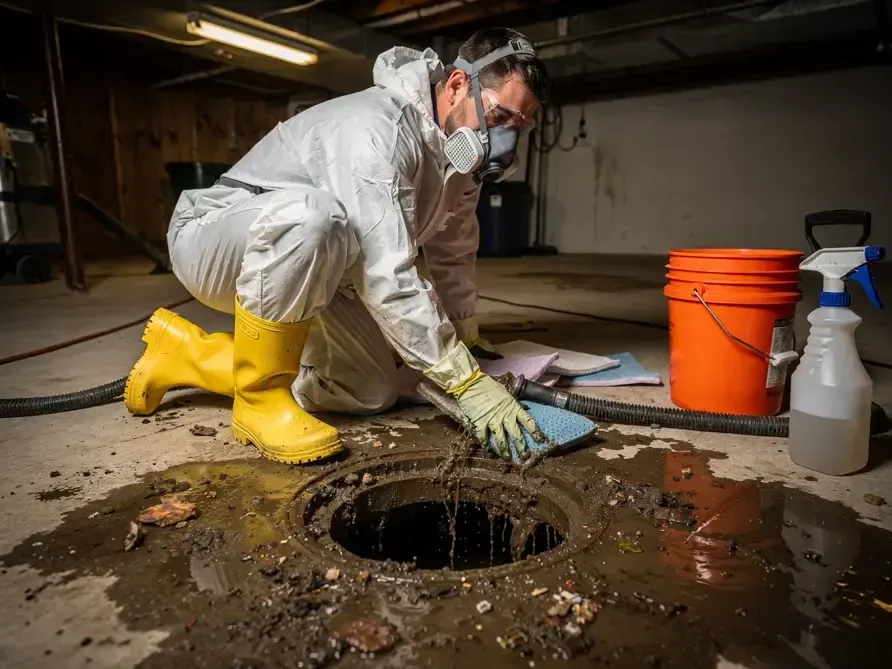 Sewage Backup CleanupWastewater cleanup separates dirty work from clean rooms. Contacted porous materials and hard surfaces need different removal and cleaning decisions.
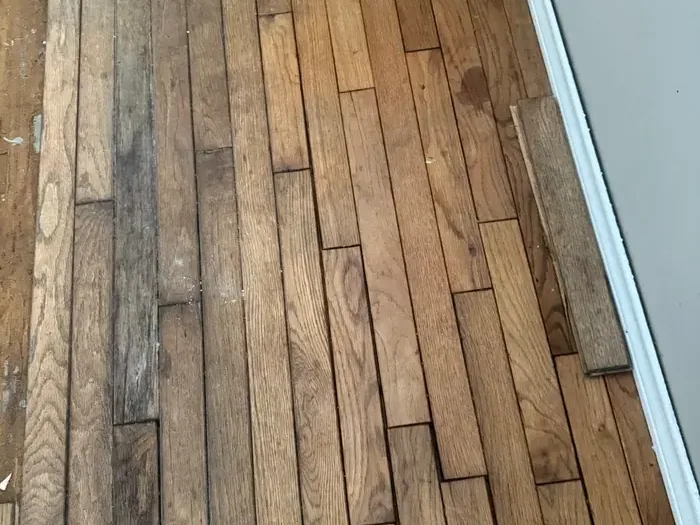 Hardwood Floor Water DamageChanging board edges can signal trapped moisture below. Floor assessment compares the wood surface, underside and supporting layers before repairs.
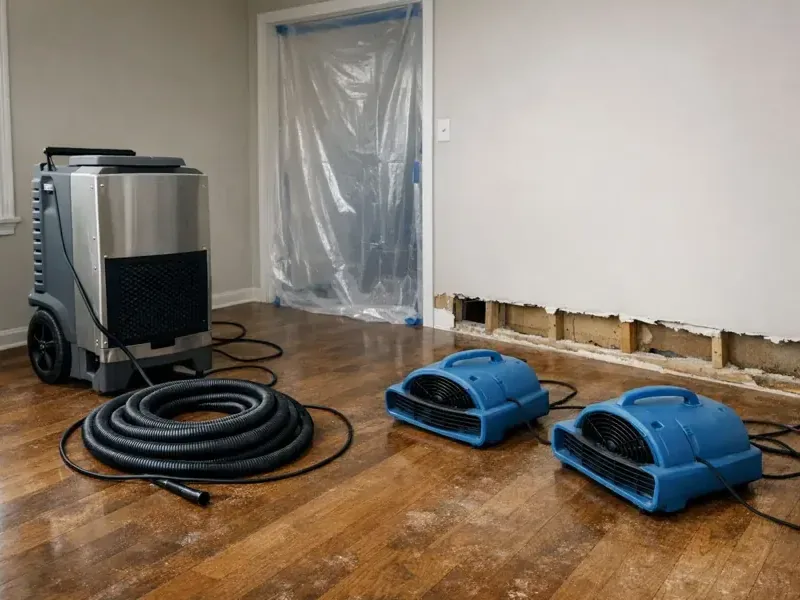 Structural DryingAfter puddles disappear, framing and cavities may remain wet. Recorded readings determine equipment changes and the point when drying ends.
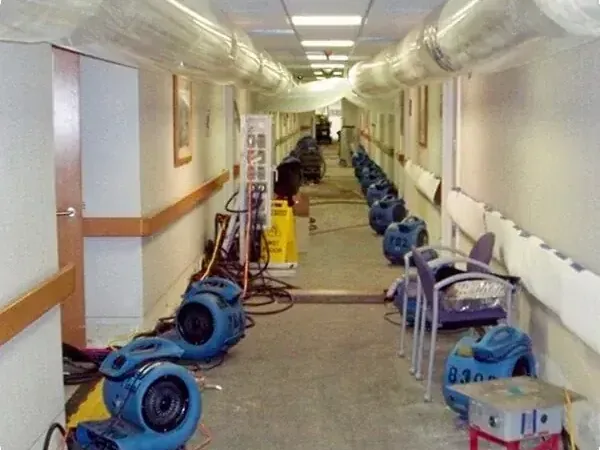 Commercial Water DamageWet business space needs a plan for inventory, access and affected assemblies. Work boundaries help separate cleanup from usable areas.
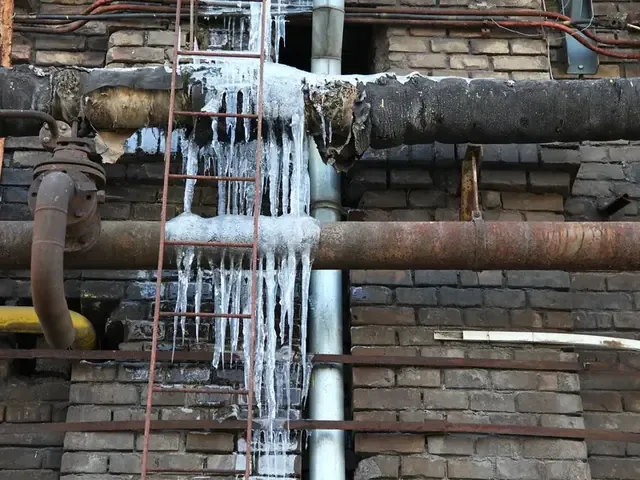 Frozen Pipe Water DamageThawing can reveal a split that ice temporarily concealed. The response joins plumbing control with assessment of wet insulation and finishes.
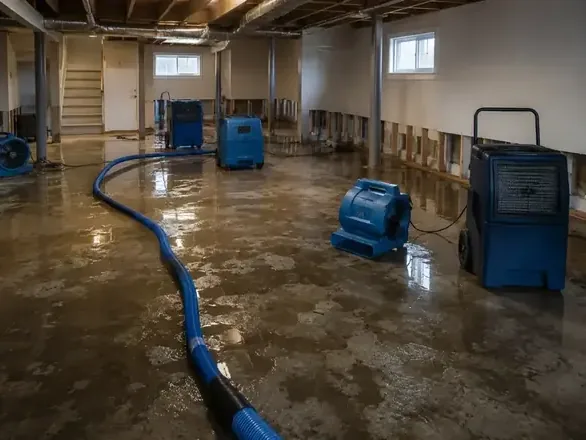 Basement Water CleanupLower-level water requires source identification before pumping and cleaning. Finished walls, stored belongings and stair access all influence the work.
Make room for a safe assessment
- 1
Keep clear
Avoid wet electrical equipment and unstable ceilings. People and pets belong outside the affected room until access has been assessed.
- 2
Limit the release
A reachable shutoff can stop household supply water. No one should cross standing water or disturb damaged equipment to reach it.
- 3
Record visible changes
Photograph the wet area from a dry position, including the apparent source, adjoining thresholds and belongings already touched by water.
- 4
Protect dry belongings
Move unaffected items only along a safe route. Leave heavy wet furniture and contaminated objects for an organized handling plan.
- 5
Explain the sequence
Describe when the damage appeared, whether water is still entering and which rooms changed. Those observations help focus the initial inspection.
What affects River Edge cleanup costs?
River Edge water damage work can range from $800 to $2,500 for a contained area, $2,500 to $6,500 for broader drying, or $6,500 to $10,000+ for extensive damage. Access, contamination and concealed moisture shape the estimate.
Contained water release
- Accessible wet surfaces
- Limited material opening
- Focused equipment placement
Connected room damage
- Several affected finishes
- Linked cavity checks
- Expanded moisture monitoring
Extensive affected assemblies
- Contaminated material handling
- Broad removal needs
- Complex drying access
Compare the scope with the water damage cost calculator. The restoration company prices the inspected damage, material access and equipment needs separately from source repairs, replacement finishes and contents work.
These figures help with initial planning. An itemized estimate should identify extraction, removal, cleaning and drying separately, with plumbing repairs and finish replacement clearly addressed in the proposed scope.
The work continues beyond water removal
Useful drying records connect the first inspection to the last reading. They show which materials were wet, how equipment was arranged and why the final condition supports repair.
- 1
Establish a starting condition
The initial moisture map identifies affected assemblies and comparison areas before equipment changes the room environment or materials are removed.
- 2
Open what needs access
Damaged finishes are evaluated for removal, with attention to trapped moisture and a clear route for cleaning the underlying surfaces.
- 3
Adjust to measured progress
Air movement and moisture removal change as readings improve. Stalled areas receive another look for hidden layers or continued entry.
- 4
Hand off the repair scope
Final notes describe retained materials, removed finishes and remaining repair work so rebuilding can proceed from a documented drying endpoint.
The source changes the cleanup plan
Supply water release
A broken indoor pipe starts a source investigation, followed by checks for exposure time and contact with surrounding building materials.
Pipe release detailsUsed appliance water
Dishwasher or washer discharge may contain residues. The affected floor and cabinetry need assessment before ordinary drying equipment is positioned.
Appliance spill assessmentWastewater entering rooms
A drain backup requires separation of affected spaces, controlled removal and cleaning of surfaces that contacted sewage before drying proceeds.
Wastewater handling stepsDocument the loss as it changes
Photos and written observations help explain the sequence of damage. Coverage decisions belong to the policy provider, while cleanup records describe the work performed.
- Initial photographs from a dry location
- Notes about the first visible release
- List of belongings touched by water
- Removal and drying scope with pricing
- Progress readings and final condition notes
When paying directly
An estimate should distinguish urgent water removal from later finish repairs. That separation makes the immediate work easier to understand before authorizing it.
Material access can change the scope after concealed damage becomes visible. Ask for an explanation of additions and the measurements supporting further drying.
Equipment and material access during water damage cleanup
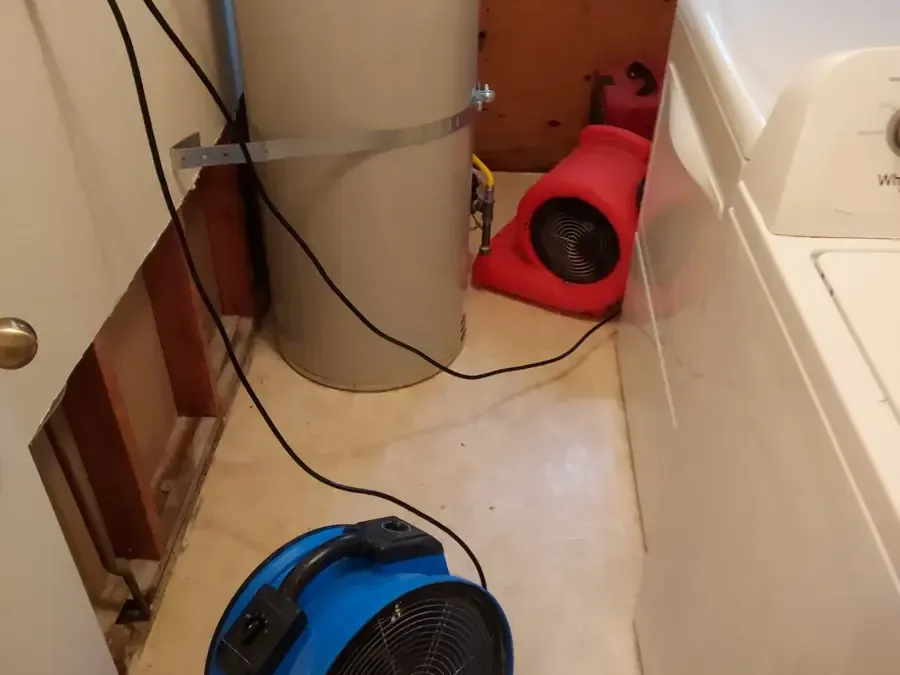
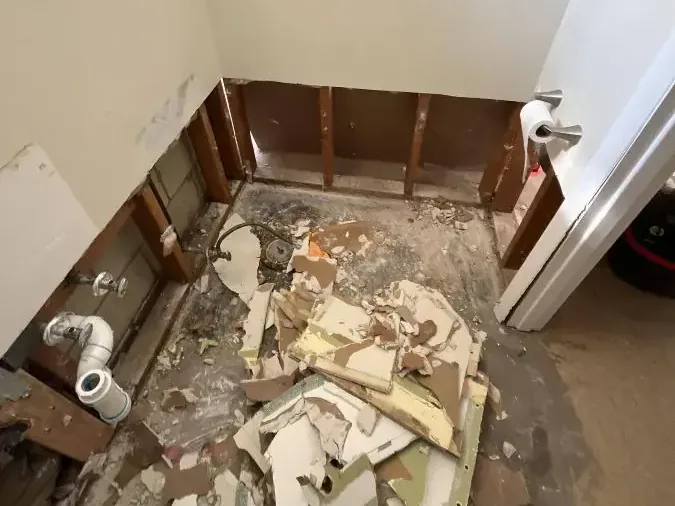
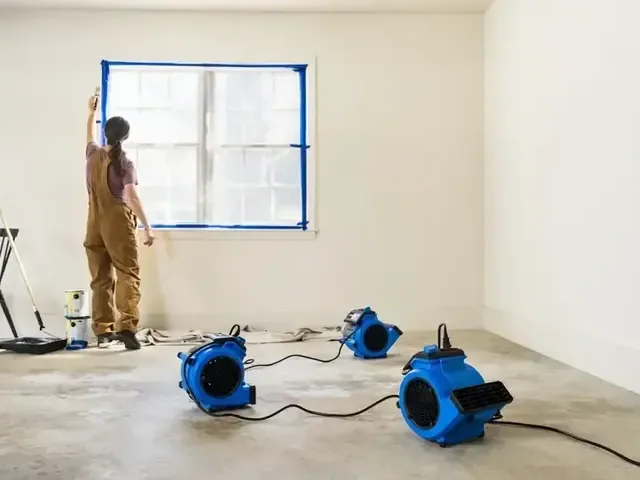
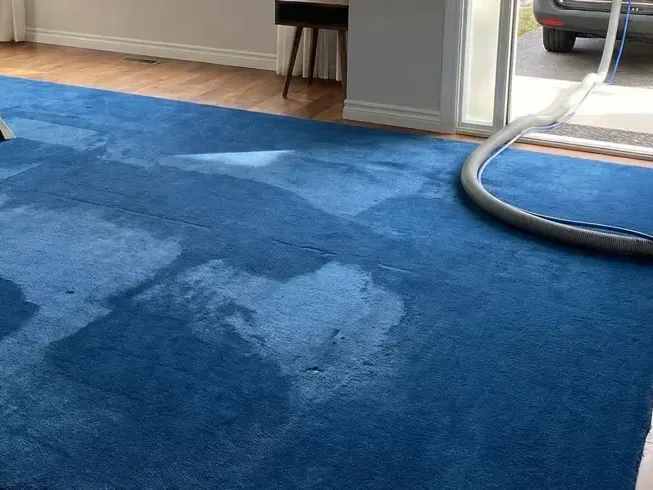
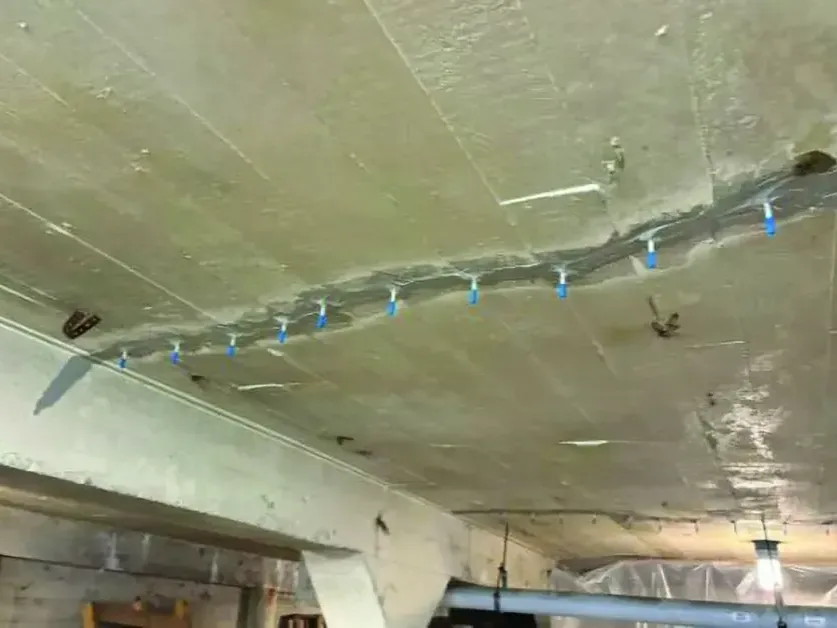
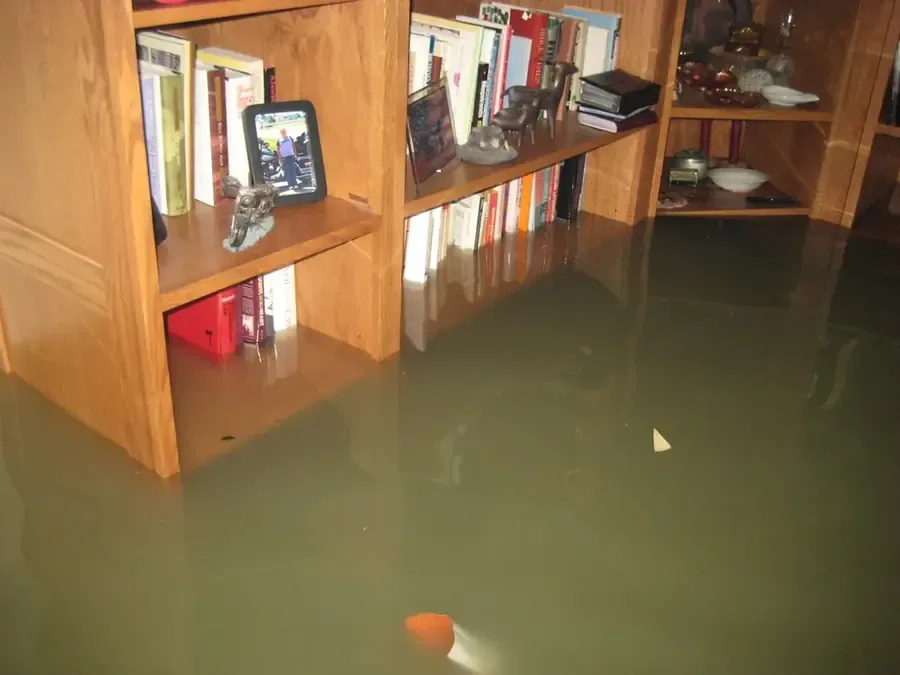
River Edge cleanup access
Useful location references
Describe the property and entry route
A street name and the affected level help explain access. Include whether equipment must pass through finished rooms or down an interior stairway.
For homes near Brookside Park or New Bridge Landing station, describe the actual entrance and wet rooms when discussing the cleanup visit.
(888) 471-9821Share the property access detailsPlan before the call
Nearby water damage service areas
Local setting, property-specific cleanup
The Hackensack River and Walden Pond are part of the borough's setting. At a damaged property, the assessment starts with the actual opening, source and affected building materials.
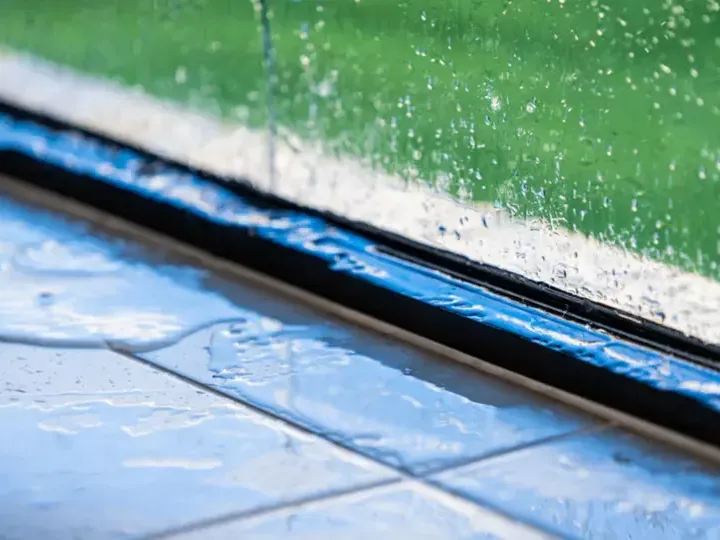
May 27, 2013: A water-main break at Kinderkamack Road and Main Street caused street flooding, illustrating how a sudden pipe release can change outdoor conditions.
Indoor supply failures
A leaking fixture can wet a concealed cavity before a puddle appears. Inspection follows the pipe location and the first visible material changes.
Rain at openings
Window frames, roof penetrations and door thresholds deserve attention when rain enters. Tracking the wet path helps separate entry control from interior cleanup.
Water beneath finishes
Floor coverings can hide damp underlayment even after wiping. Readings at seams, edges and adjoining rooms help define the necessary drying area.
Lower-level accumulation
In a property with a basement, water may collect below its entry point. Source identification determines whether cleaning needs contamination controls before drying.
Overhead travel
Water moving along framing can emerge away from its origin. The ceiling stain and the space above it both need careful examination.
Questions before cleanup begins
What information helps with the first call?
The most useful details are the apparent source, whether entry continues, the affected rooms and any electrical or ceiling concerns. A description of stairs, locked spaces and wet belongings also helps define the access needed for assessment.
Can flooring stay wet after the surface dries?
Yes. Moisture can remain in backing, underlayment or a supporting floor while the exposed face feels dry. Material readings and accessible edge checks help determine whether continued drying or selective removal is needed before covering the surface again.
Does every wet wall need removal?
No. The decision depends on the water source, material condition and ability to reach concealed moisture. A sound assembly exposed to suitable water may be dried in place, while deteriorated or contaminated porous layers may require removal.
Is plumbing repair included with drying?
Source repair and restoration are separate parts of the response. The estimate should state which tasks are included and identify any plumbing coordination. A repaired pipe stops new water, but previously wet materials still need assessment and drying.
Should fans be placed around a toilet spill?
Contamination should be assessed before air movement begins. Restrict access to the bathroom and avoid carrying wet items through clean rooms. The cleanup plan may require controlled removal and surface cleaning before drying equipment can be used appropriately.
What does River Edge coverage include?
The borough service area includes Cherry Hill and North Hackensack. Property access and the type of damage determine the practical cleanup plan. Describe the entrance, affected level and any obstacles when arranging an assessment of the wet space.
Can furniture remain in an affected room?
Some items can remain after protection and repositioning, while others need a separate drying or disposal decision. Wet upholstery, heavy cabinets and objects exposed to wastewater should be evaluated before movement so handling does not spread water or contamination.
How is the end of drying decided?
The endpoint comes from material readings, comparison conditions and an inspection of affected assemblies. Equipment can then be removed with the remaining repair needs documented. Surface appearance alone cannot show the condition inside a concealed cavity or floor layer.
Will the same price cover every room?
Costs depend on material access, contamination, removal requirements and the amount of drying needed. Connected rooms can share a wet assembly. An itemized scope should explain the affected areas and how discoveries behind finishes may change the work.
Put the affected rooms into a workable plan
Describe the water source and visible damage to begin a focused discussion of access, cleanup and material drying.