Fair Lawn Water Damage Restoration
A wet room needs a clear next step. Fair Lawn water damage restoration connects the source, safe access and affected materials so removal and drying follow the way water actually moved.
(888) 471-9821Discuss the rooms affectedThe first report can describe the water source, affected rooms and whether the property has a safe dry entrance.
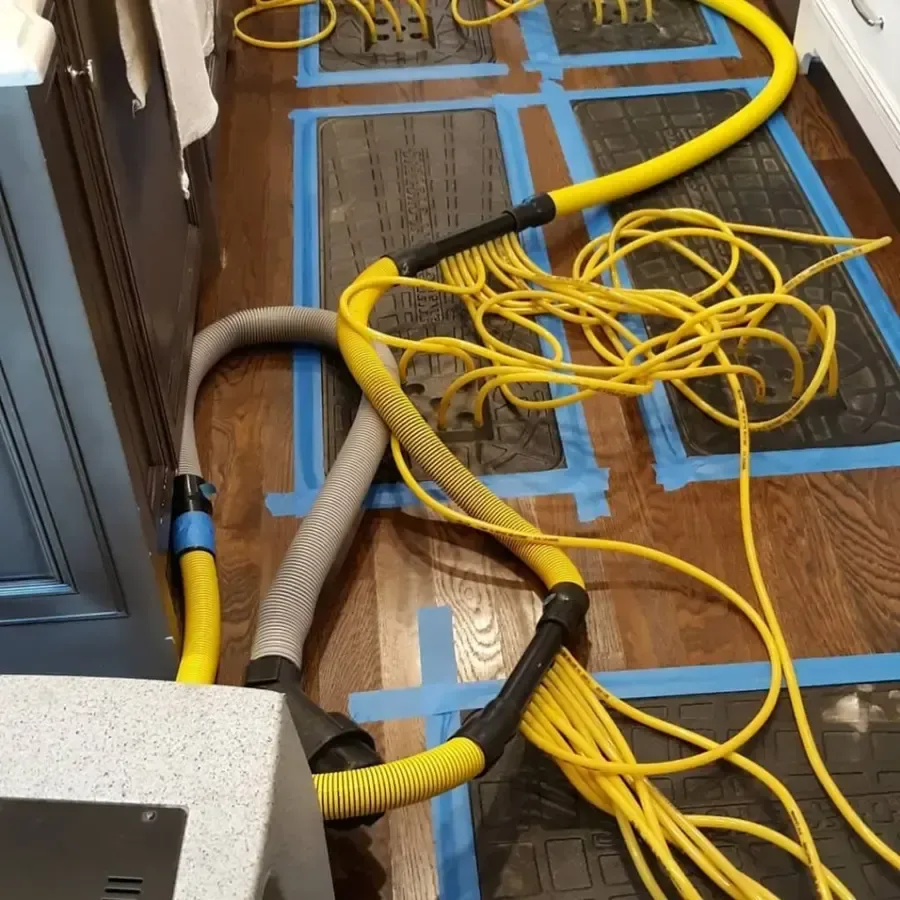
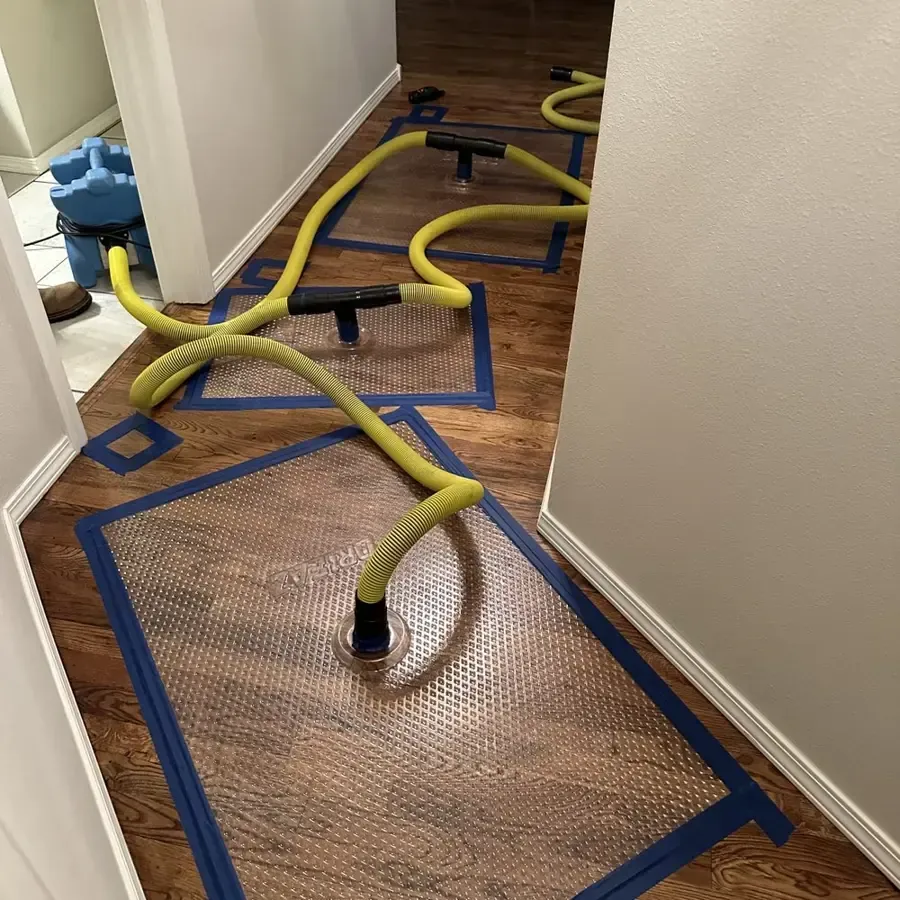
A clear explanation helps the next decision
An effective assessment explains the wet route and the purpose of the work. The owner should understand why a layer stays, why another leaves and what the drying readings mean for repairs.
Purposeful openings
Access should reveal or reach an affected layer. The scope explains what the opening accomplishes before a wall or floor finish is removed.
Separate source work
A plumbing or roof repair controls entry, while restoration addresses released water. Both outcomes belong in the account of the property's recovery.
Useful measurements
Readings at relevant material locations provide a basis for drying decisions, especially where a clean looking surface covers an assembly that remains wet.
Practical closeout
The handoff identifies completed moisture work and remaining repairs, giving the owner a basis for scheduling the next recovery stage.
What brought water into the room?
The service scope starts with the cause and the materials affected. A single loss can involve extraction, hidden cavity access and a separate finish repair.
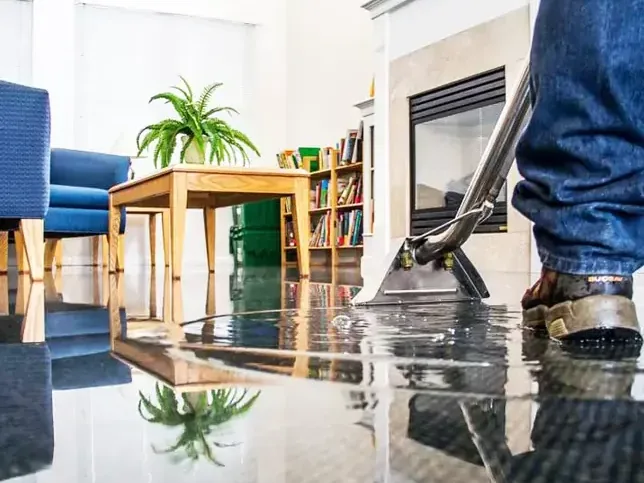 Water ExtractionStanding water needs a removal route and an inspection of floor layers that remain wet after the puddle disappears.
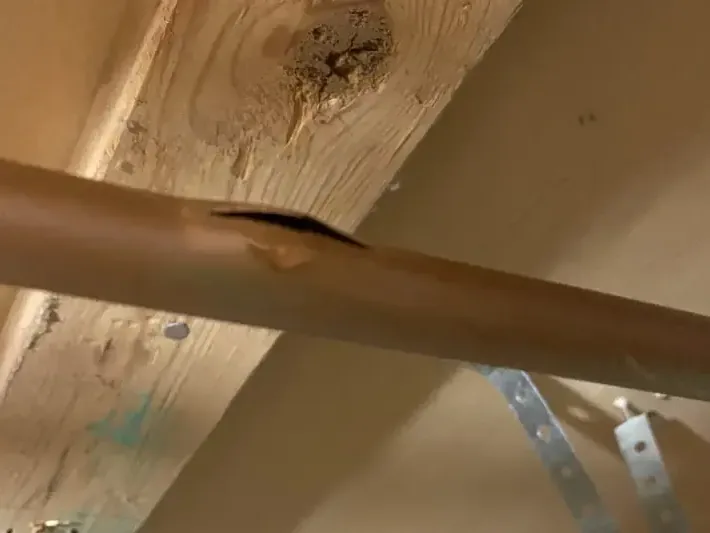 Burst Pipe Water DamageA ruptured supply can send water through several rooms, making the plumbing repair only the first part of recovery.
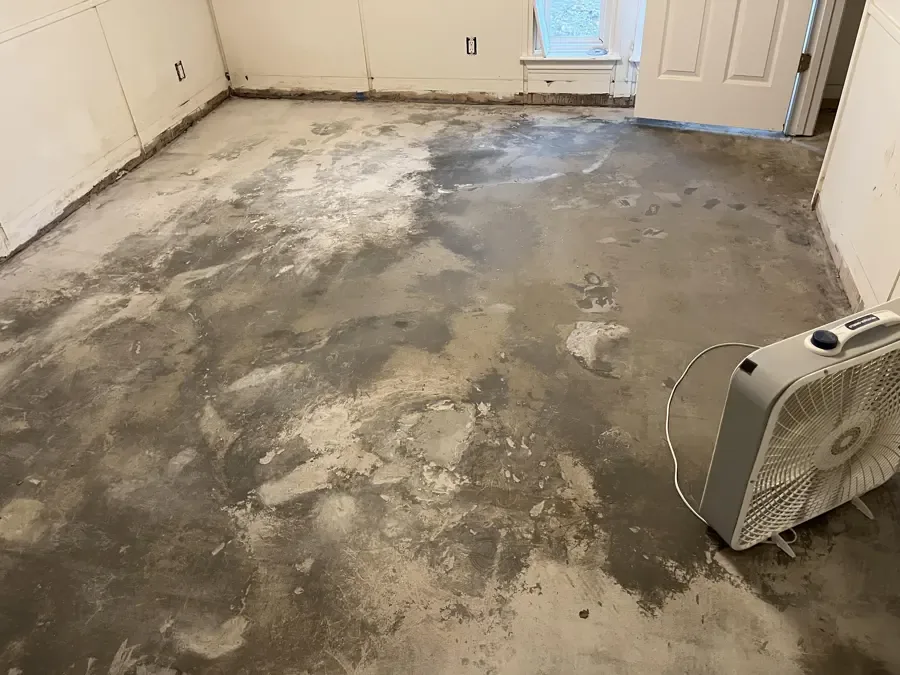 Slab Leak Water DamageRecurring floor dampness calls for source testing before concrete access, followed by attention to the finish and substrate above.
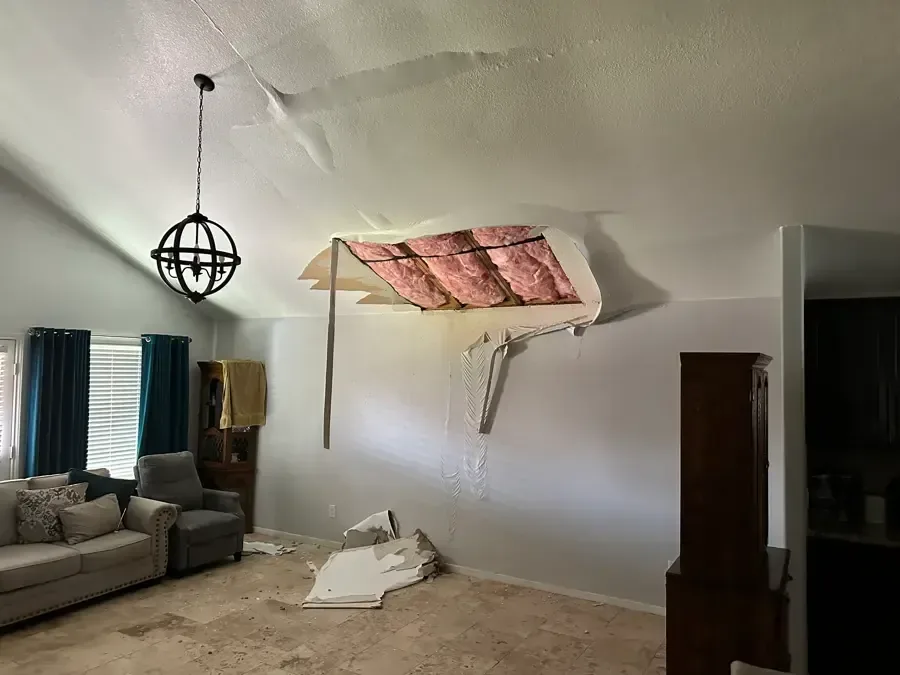 Ceiling Leak Water DamageA changing overhead stain needs an assessment of stability, the room below and moisture held inside the ceiling cavity.
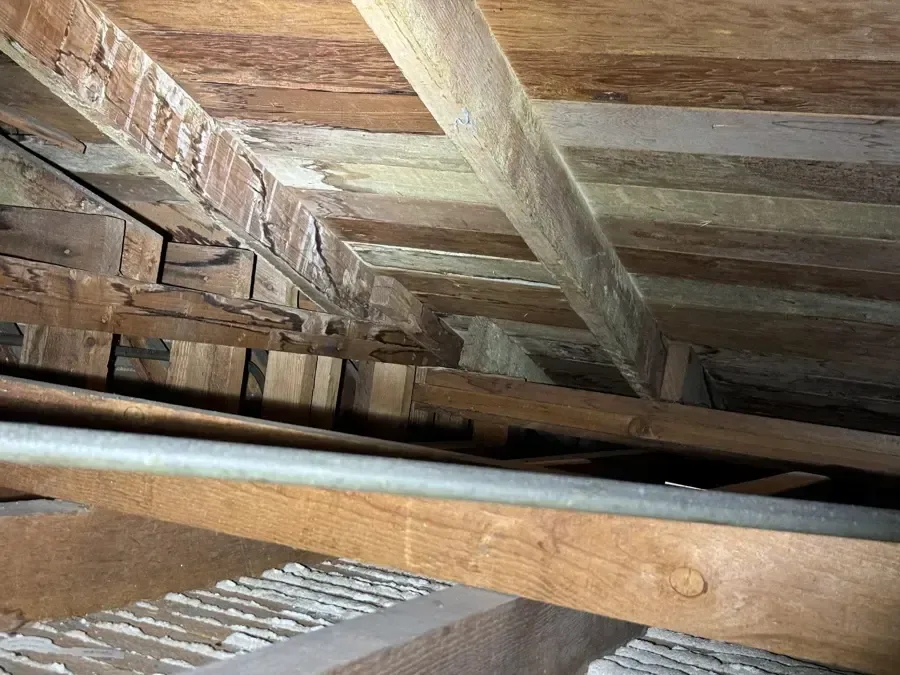 Roof Leak Water DamageRain inside the attic can wet insulation and interior finishes along a route that begins beyond the visible drip.
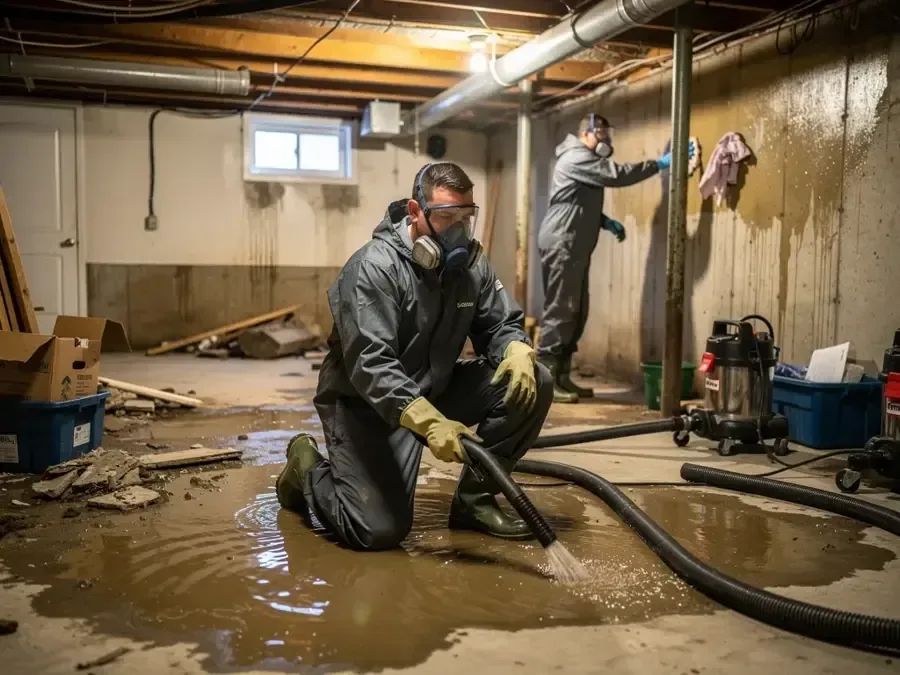 Storm Flood CleanupOutside water introduces sediment and contact concerns that shape the order of removal, cleaning and drying inside affected rooms.
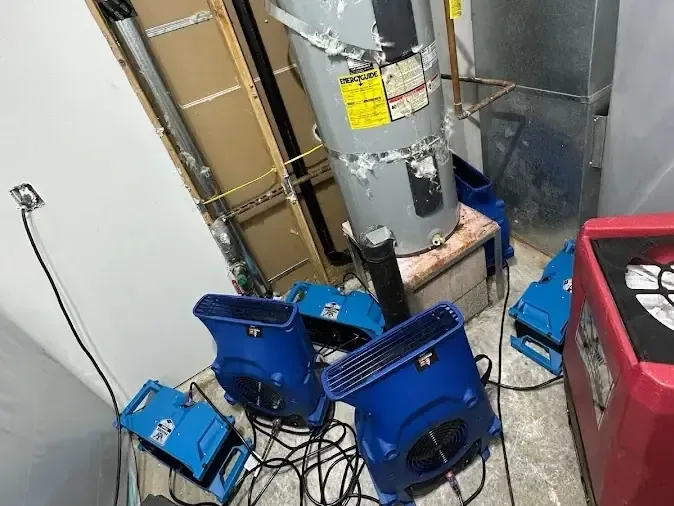
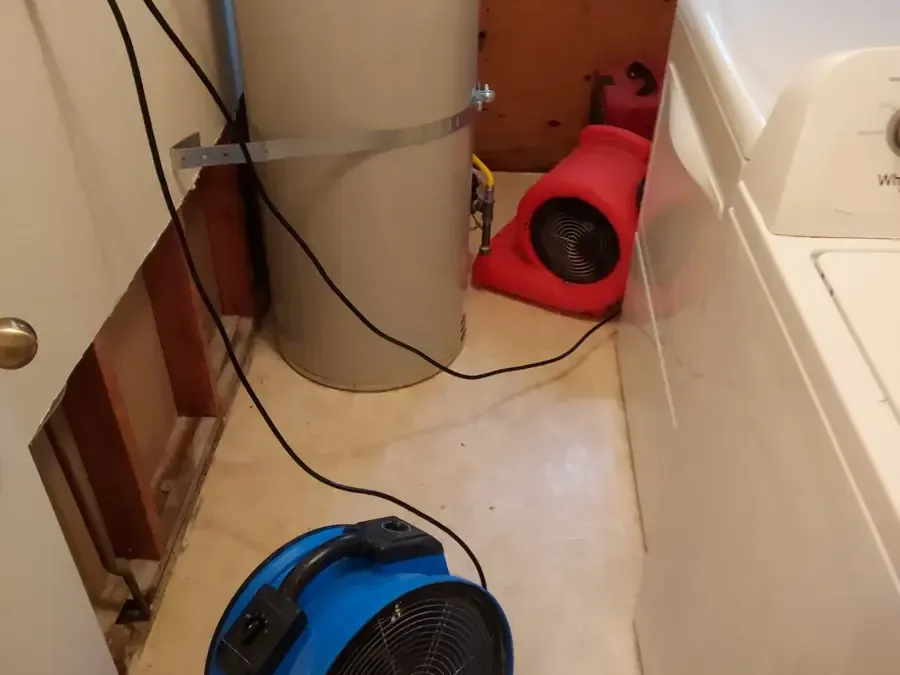
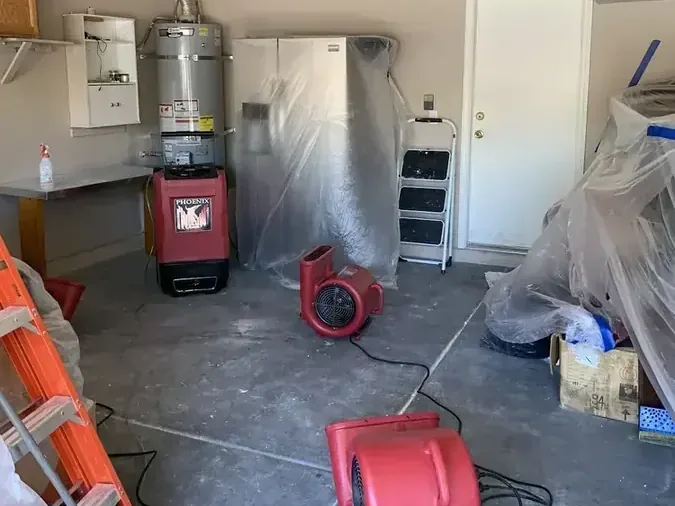 Water Heater Leak CleanupA serviced tank can leave wet room edges behind, so utility floors and adjoining finishes need their own inspection.
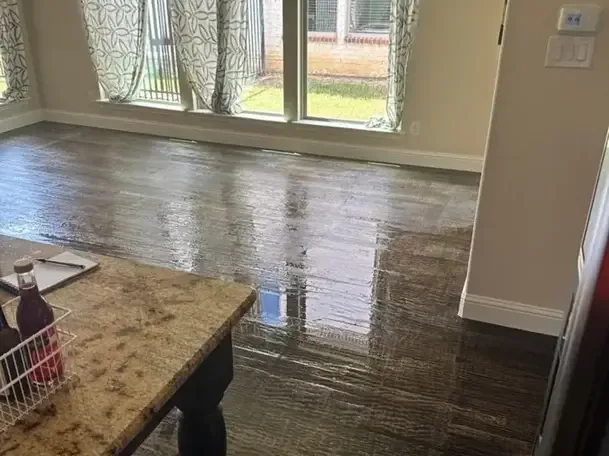 Appliance Leak Water DamageThe footprint behind a washer or kitchen machine can hide moisture beneath cabinetry and flooring after the source stops.
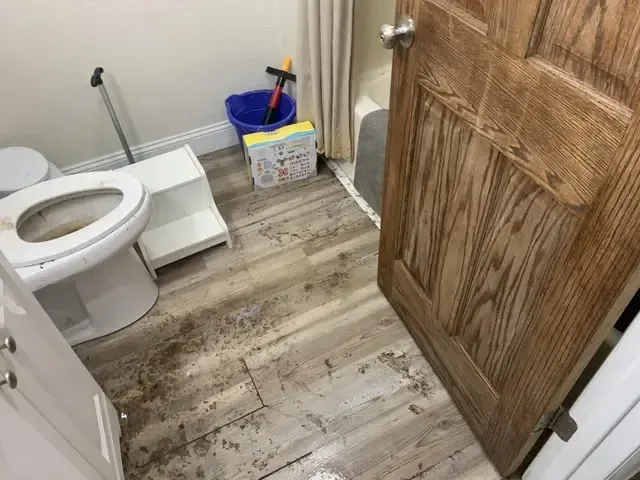 Toilet Overflow CleanupBathroom recovery follows the actual overflow contents, including contact at the doorway and beneath finishes surrounding the toilet base.
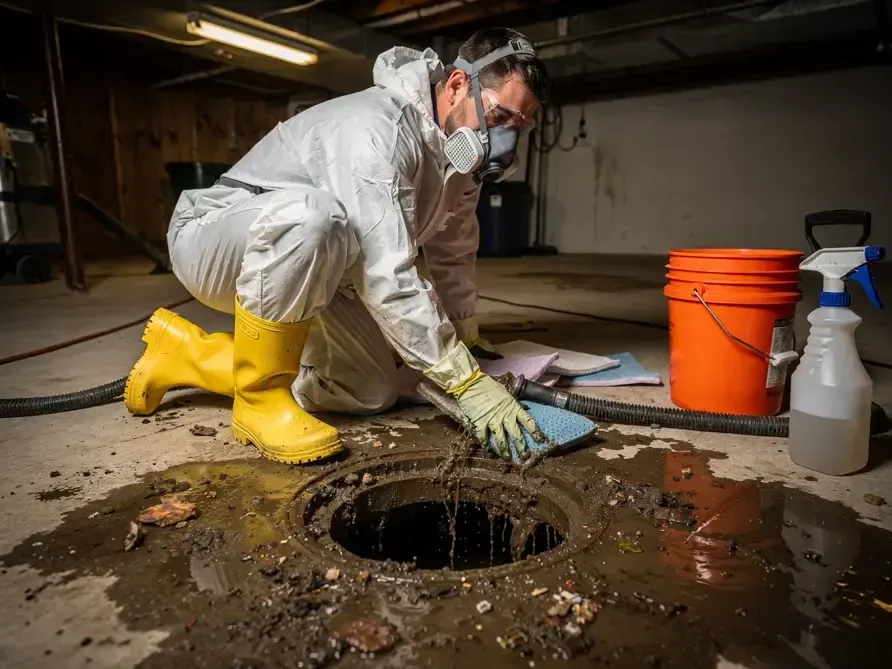 Sewage Backup CleanupWastewater requires restricted access, controlled material handling and appropriate cleaning before retained surfaces enter the final stage of drying.
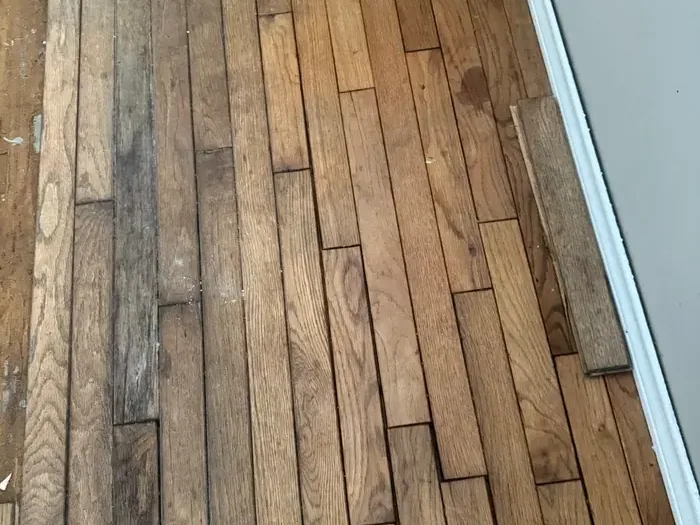 Hardwood Floor Water DamageRaised plank edges need measurements of wood and substrate, with lasting distortion considered separately from the removal of moisture.
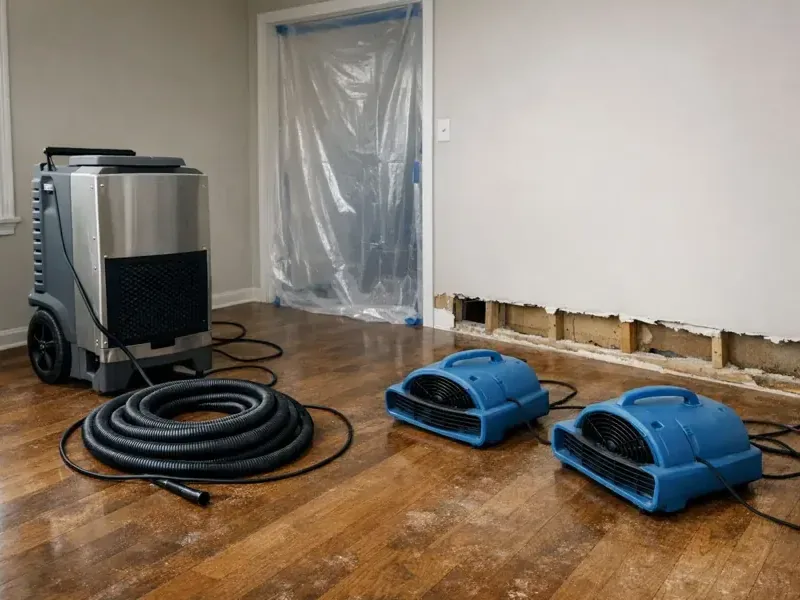 Structural DryingFraming and covered layers need accessible drying paths, repeatable readings and equipment adjustments tied to the materials that remain.
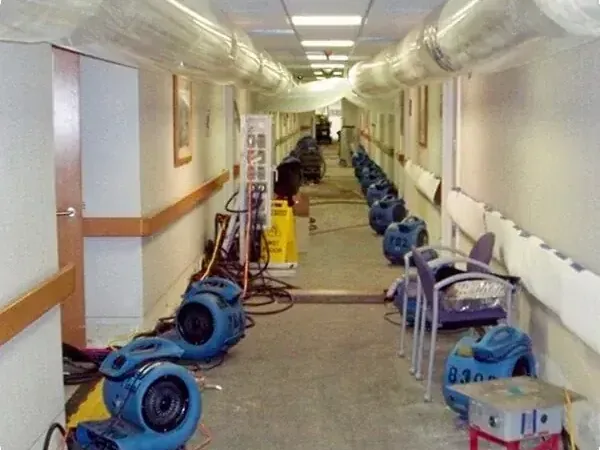 Commercial Water DamageBusiness recovery coordinates tenant authority, wet inventory and customer routes while the affected building areas receive their own assessment.
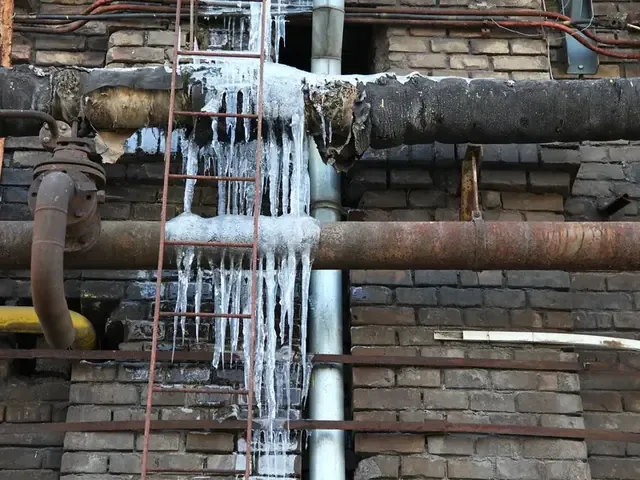 Frozen Pipe Water DamageA supply can reveal a split during thawing, requiring a leak check and inspection of rooms receiving the new release.
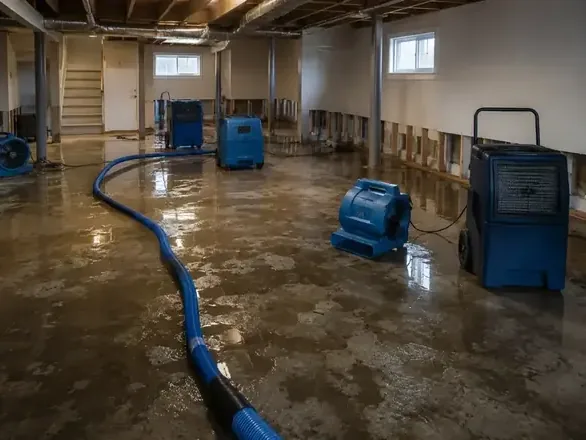 Basement Water CleanupWater below the stairs calls for utility safety, a source investigation and attention to storage and finished lower wall edges.
Start with access, source and the wet boundary
- 1
Keep clear
Water near electrical equipment or unstable ceilings needs assessment before entry. Occupants should avoid crossing the loss to retrieve belongings.
- 2
Describe the source
The report should explain whether water is still arriving, which room changed first and whether a shutoff is safely accessible.
- 3
Separate affected spaces
People and pets should remain outside wastewater contact areas. Wet items should stay out of clean rooms until handling is planned.
- 4
Photograph from safety
Photos can preserve water marks, damaged contents and the original spread before extraction or removal changes the visible room conditions.
- 5
Coordinate entry
The owner or occupant may need to arrange access to adjoining rooms when the source is above another occupied space.
What affects water damage costs in Fair Lawn?
Initial planning ranges run from $800 to $10,000+, with the source, wet materials, concealed spread and access shaping the scope. The estimate should distinguish cleanup and drying from plumbing work, replacement finishes and other repairs.
Contained room damage
- Accessible wet surfaces
- Limited material removal
- Focused drying area
Connected wet assemblies
- Covered floor layers
- Several affected rooms
- Expanded equipment access
Extensive contaminated loss
- Controlled contents handling
- Broader cleaning requirements
- Multiple repair decisions
Compare the scope with the water damage cost calculator. The restoration company prices the inspected damage, material access and equipment needs separately from source repairs, replacement finishes and contents work.
A useful estimate explains the reason for each opening, removal and drying area. Cost decisions should follow the observed material condition and source rather than the size of the visible stain alone.
Follow the water through the building
The work sequence connects source control with material recovery. Each stage answers a different question, from safe access and hidden moisture to the condition needed before the repair trade closes an opening.
- 1
Establish the affected footprint
Inspection traces water from the reported source into connected surfaces, with attention to hidden edges and rooms where access needs coordination.
- 2
Remove what prevents recovery
Liquid extraction and necessary material removal create access for appropriate cleaning and drying of the assembly selected to remain in place.
- 3
Track the retained layers
Measurements at useful locations show whether equipment is reaching the affected materials and whether an additional opening or adjustment is needed.
- 4
Explain the repair handoff
The completion record separates drying results from replacement finishes and other work needed before the room returns to ordinary use.
Different sources change the cleanup order
A damaged indoor supply
A pipe release needs source control, extraction and inspection of the materials it reached, including cavities beyond the visible repair opening.
Follow the supply releaseAn appliance area spill
Water around a machine can travel behind cabinets and underneath flooring, making safe service access part of a complete damage inspection.
Inspect the hidden footprintA sanitary drain backup
Wastewater contact needs separation, suitable material handling and cleaning before the retained assembly can proceed through the final stage of drying.
Address the wastewater contactDocument conditions before they change
Photos, source information and material records can explain the damage sequence. Coverage decisions belong to the policy assessment and remain separate from the physical cleanup scope.
- Photographs of the first visible wet boundary
- Source observations and available repair documentation
- Affected belongings before removal or relocation
- Material readings and drying equipment records
- Written scope and remaining repair needs
When paying for the work directly
A property owner arranging payment directly can request a scope that identifies the affected materials, removal decisions and drying work before comparing the proposed costs.
Separate source repairs and replacement finishes from immediate cleanup so the sequence remains understandable as the room moves from water removal toward its final repairs.
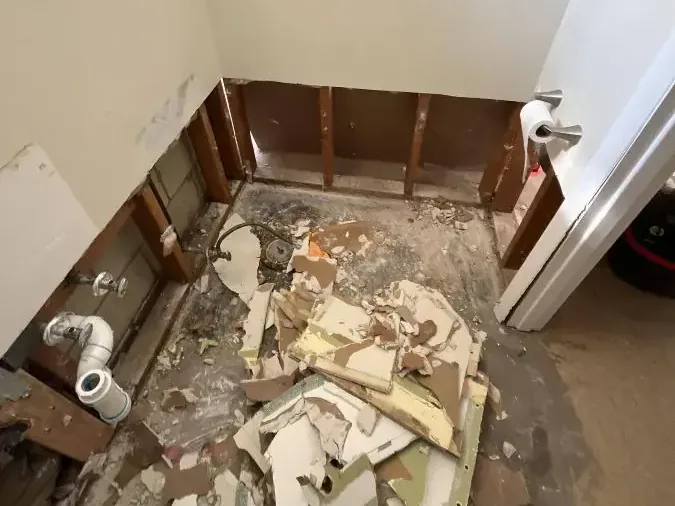
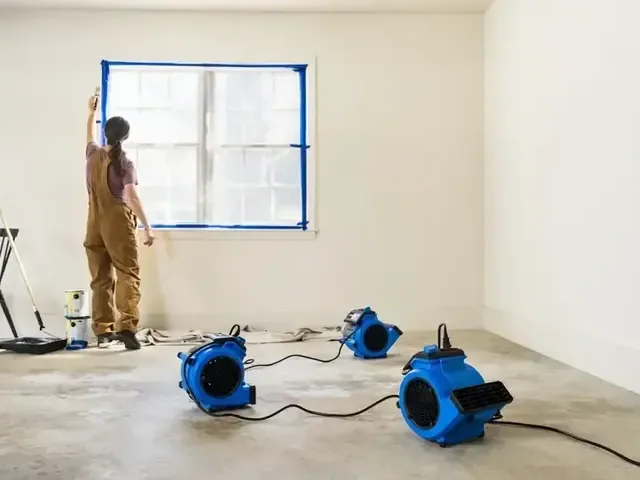
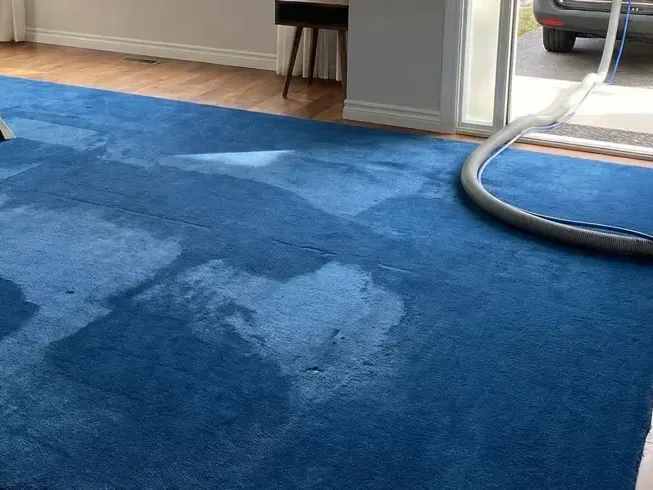
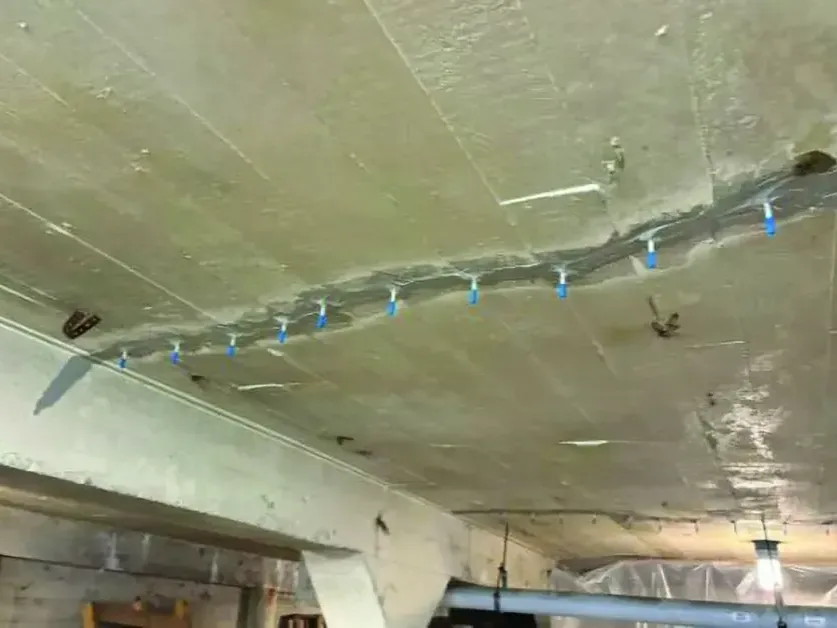
The work can extend beyond the visible puddle
Water damage help across Fair Lawn
Useful location details
Describe the room as well as the location
Berdan Grove has single family homes, while Hendersonville includes two family Cape Cod style houses. Occupancy and room access shape the first inspection arrangements.
River Road District includes businesses and permits apartments above them. A ceiling leak may require coordinated entry to the source space and the affected room below.
(888) 471-9821Discuss property access detailsPlan before the call
Nearby water damage service areas
Local settings shape the inspection questions
Fair Lawn combines residential neighborhoods and mixed use districts between river settings. Cleanup follows the water route inside each property, supported by the source history and the materials actually affected.
Borough development: Radburn began as a planned community in 1929. Radrock Estates developed around 1940, with its present floor and wall assemblies assessed individually after water damage.
River settings
Memorial Park neighborhood borders the Passaic River, while Dunkerhook lies beside the Saddle River. A wet property's entry points and indoor water marks direct the assessment.
Separate drainage
The stormwater system carries street runoff directly to streams and rivers. The Road Division handles storm drains, while sanitary backup diagnosis follows the affected wastewater connection.
Mixed occupancy
Fair Lawn Promenade includes apartments, shops, offices and restaurants along Route 208. Water crossing an occupied boundary may require several contacts to arrange a complete inspection.
Older interior finishes
Lyncrest includes older stone houses. The actual wall and floor layers determine access and drying, with retained materials checked before openings are closed for finish repairs.
Business access
Broadway District contains stores and restaurants. Cleanup should separate customers from the work area and preserve inventory records before handling changes the scene.
Questions before the first assessment
What belongs in the first damage report?
The caller can describe where water first appeared, whether the source is still active and which rooms changed. A safe entrance, affected utilities and access contacts help organize the assessment without entering an unsafe area.
Does a repaired pipe complete the cleanup?
The repair addresses the supply. Water already absorbed by flooring, insulation or walls needs separate inspection. The scope should connect source control with extraction, material decisions and the measurements required before affected finishes are rebuilt.
Can an apartment leak require access below?
Water can travel through a floor assembly into the ceiling underneath. River Road permits apartments above businesses, making coordinated access important when the source and visible damage occupy different spaces within the same building.
Why check a floor that looks dry?
A clear surface can cover moisture in underlayment, padding or the wall base. Inspection follows those layers and the wet boundary, using material readings to determine what remains after visible pooling has been removed.
Should wet belongings move into a clean room?
Their handling should be assessed first, especially after outside water or wastewater contact. Photos preserve the original condition, while a planned removal route helps prevent water and residue from reaching unaffected storage or living areas.
Does every basement loss need sewage cleanup?
The source determines the handling. A basement can receive water from different routes, so the assessment identifies the actual entry and contact conditions before selecting extraction, cleaning, material removal and the appropriate drying arrangement.
Can a business keep customers near the work?
Customers and routine staff traffic should remain separated from wet materials and equipment routes. The assessment identifies access restrictions and usable areas, with the responsible property and business contacts coordinating decisions about ongoing occupancy.
What should a drying record explain?
It should identify the retained materials, relevant measurement locations and the condition reached before repairs. Equipment changes and remaining work help the owner understand why the drying stage ended and what still needs rebuilding afterward.
When can the damaged room receive new finishes?
Source control, suitable cleaning and the material drying decision come first. The repair handoff should identify replacement needs and substrate conditions so new flooring, wall finishes or paint do not conceal unresolved moisture inside the assembly.
Give the water damage a clear next step
A property assessment can connect the source, wet materials and repair sequence into an understandable plan for recovery.