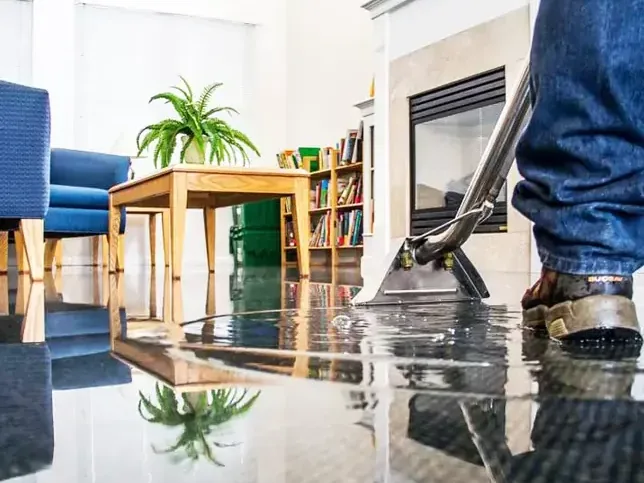
Water Extraction in Paramus, NJ
The extraction crew removes pooled water, separates salvageable materials from contaminated waste and measures the wet edges before drying equipment starts. Fast removal reduces the liquid left beneath flooring.
(888) 471-9821Remove pooled waterHow water extraction is handled in Paramus
Water extraction in Paramus starts with access and depth. The crew chooses pumps for deeper pools and weighted extraction for wet carpet, then checks adjacent rooms before declaring the visible water gone.
First steps for water extraction
- 1
Keep the route dry
Occupants avoid crossing standing water to reach a shutoff or breaker. The response team plans entry from a dry location and identifies submerged electrical equipment.
- 2
Stop additional discharge
A safely accessible fixture valve or main shutoff limits supply water. A plumber repairs the failed connection while the extraction crew addresses the wet building.
- 3
Record the original spread
Photographs from safe ground show the water depth, rooms reached and affected contents. The technician notes those boundaries before hoses and equipment change the scene.
- 4
Leave contaminated material in place
Sewage-soaked carpet and outdoor flood debris need controlled handling. The crew isolates the affected space before removal so wet material does not cross clean rooms.
What does water extraction cost in Paramus, NJ?
Water extraction typically costs $600 to $4,500 for a contained residential loss, with larger flooded or contaminated spaces costing more. Depth, access, carpet saturation, disposal and the drying scope determine the inspected price.
Surface pooling
- Accessible wet floor
- Limited equipment setup
- Initial moisture mapping
Saturated rooms
- Carpet and pad extraction
- Several wet transitions
- Follow-up drying scope
Deep or dirty water
- Pumping and containment
- Controlled waste removal
- Extended material assessment
Compare the scope with the water damage cost calculator. The restoration company prices the inspected damage, material access and equipment needs separately from source repairs, replacement finishes and contents work.
The water extraction process
- 1
Survey the water footprint
The technician identifies where water entered, measures affected surfaces and checks the adjoining rooms. Water category and room access guide the equipment selection. Initial photos preserve the conditions before pumping changes the scene.
- 2
Remove the liquid load
The crew uses pumps or extraction heads suited to the depth and flooring. Repeated passes lift liquid held in carpet while controlled removal handles materials that cannot stay. Disposal follows the condition of the extracted water.
- 3
Expose remaining wet layers
The drying team examines trim edges, cabinet bases and flooring transitions. Meter readings distinguish a dry-looking surface from moisture trapped underneath. Selective access lets the crew reach wet layers without treating every room as equally affected.
- 4
Verify the handoff to drying
The team records post-extraction readings and sets the drying equipment for the remaining load. Daily checks track material progress, while the final scope separates liquid removal, structural drying and any later reconstruction work.
A puddle at a doorway can be the shallow edge of a larger loss. The mitigation team follows water into carpet seams, cabinet bases and wall plates, documenting the full wet footprint before equipment placement. Homes near Van Saun County Park and shops along Route 4 need the same material assessment even when the access route differs.
Extraction reaches below the visible pool
A wet vacuum can lift surface water while leaving saturated carpet padding underneath. Professional extraction uses the right attachment and repeated passes to remove liquid held in the assembly. The technician checks pad, backing and subfloor separately, then records materials that require lifting or removal.
In a business near Route 17, the crew also protects dry customer routes and plans hose access around stock. A pump discharge must reach an appropriate disposal point; moving dirty water into a yard or street drain simply moves the problem.
- Standing water depth determines pump selection.
- Carpet extraction requires checks beneath the backing.
- Cabinet toe spaces and door transitions need separate readings.
- Wet electrical equipment requires qualified clearance before use.
Clean-water extraction and contaminated water
A supply failure and outdoor runoff do not receive an identical cleanup scope. The crew identifies the source, time wet and materials contacted. Sewage and outdoor floodwater require containment and removal decisions before broad airflow starts. The crew classifies the water from its source, contacts and time in the building.
Public Works manages the borough stormwater system, while interior extraction addresses water already inside the building. The borough Public Works department provides municipal infrastructure information. The Ready.gov flood safety page explains why entering floodwater and wet electrical areas is dangerous.
From extraction passes to a dry building
After the final extraction pass, the drying team maps moisture in remaining materials. The change from pumping to evaporation is deliberate: air movers drive moisture off exposed surfaces, and dehumidifiers collect that vapor. A room can look clean while wall cavities or underlayment remain wet.
The claim record keeps water depth observations, affected rooms, extraction methods and the initial readings together. Daily comparisons show whether the drying setup is working. A return inspection also checks the edge of the original map so a newly discovered wet closet does not escape the scope.
- Record each wet room before contents move.
- Keep initial photographs with the extraction scope.
- Compare later readings with dry reference materials.
- Separate plumbing repairs from water-removal charges.
Deep water needs a safe entry plan
The extraction crew treats energized equipment, unstable flooring and contaminated water as access limits. Occupants stay outside the wet area when outlets, appliances or electrical panels could be involved. A deep flooded lower level needs an assessment before pumping because exterior water can load foundation walls. The crew coordinates water removal with the source-control and electrical work, then selects equipment that suits the room. Household vacuums and extension cords do not belong in standing water. An active leak remains urgent after the visible puddle shrinks, since absorbed moisture continues spreading into adjoining materials.
Water extraction coverage
The restoration team covers homes and businesses across the borough, including the Route 4 and Route 17 corridors, with service in ZIP codes 07652 and 07653.
Water Extraction questions
Does extraction finish the restoration?
Extraction removes liquid water, but absorbed moisture still needs drying. The technician checks the subfloor, wall plates and other porous materials before setting air movers and dehumidifiers. A dry surface alone does not finish the job.
Can carpet stay after water removal?
Clean-water carpet may remain when its backing, pad and subfloor can be accessed and dried. Contamination, delamination and prolonged saturation change that decision. The crew evaluates the complete assembly instead of judging only the visible pile.
Is a shop vacuum enough for a flooded room?
A household wet vacuum can miss water beneath materials and is unsafe around energized wet equipment. Professional extraction combines equipment selection with category assessment and moisture mapping, followed by measured drying of the structure.
What information helps with an urgent request?
The source, whether water is still entering, affected floor level and any electrical concern help the team plan access. A safe photo of the water spread is useful. Response requests remain available 24/7.
Why inspect the next room if its floor looks dry?
Water can travel under continuous flooring and through wall openings before staining appears. Readings at transitions help find that spread and keep a wet closet or adjoining wall from being omitted from the drying plan.
How does the crew document extraction for a claim?
The record identifies affected materials, water category, equipment, removal work and moisture readings. Photographs support the scope. The insurer evaluates coverage under the policy; the restoration record describes the damage and work performed.
Water pooling indoors needs extraction
A 24/7 response starts with the source, the water depth and the rooms affected.