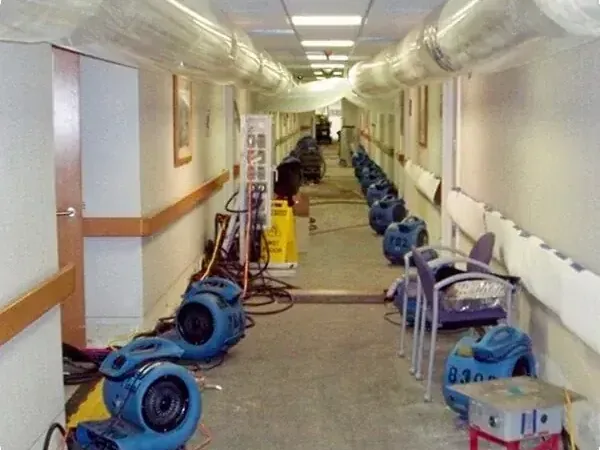
A water main break flooded parking lots along Route 4 in Paramus, and Westfield Garden State Plaza delayed opening after a water main break. A business facing water at its entrance needs an access decision before a reopening decision. The manager can organize observations, protect untouched stock and arrange an interior assessment while the utility addresses the public supply problem.
Key takeaways
- Keep customers and staff away from water crossing entrances or electrical equipment.
- Separate the public water repair from the inspection of wet business interiors.
- Label affected inventory by location before stock is moved or discarded.
- Build reopening decisions around safe routes, usable rooms and documented drying progress.
Make the entrance decision before opening the doors
A flooded parking area changes how staff, delivery drivers and customers reach a business. The person responsible for the premises should identify a dry approach and keep people away from moving water, obscured pavement and wet electrical installations.
A familiar doorway can become an unsafe route during a water release.
The first interior report should describe whether water has crossed a threshold, reached a loading area or remained outside. Photographs taken from a safe position can show the doorway, floor edge and surrounding stock together.
That wider view helps the cleanup team understand how the business was arranged when the problem began.
A manager can start commercial water damage planning with the affected rooms and access restrictions. Delivery schedules, key holders and occupied neighboring spaces belong in that conversation because they influence where equipment and recovered contents can go.
- Keep the wet entrance closed to routine foot traffic.
- Identify a separate dry staff meeting point.
- Record any delivery or loading access that has become unusable.
Keep utility restoration and indoor recovery on separate tracks
Veolia reported the Route 4 rupture. During a public supply incident, the utility's work and a building's cleanup have different scopes: restoring supply addresses the damaged public infrastructure, while inspecting the premises establishes what happened to flooring, partitions and contents inside.
The business record should retain public notices alongside its own discovery notes. The time staff first saw water, the location of the wet edge and any later changes help connect observations in sequence.
A utility update can be useful even while the indoor team continues tracing a separate wet room.
Once access is safe, the inspection can follow water from the entrance toward low floor areas and storage spaces. A plumber or another appropriate trade handles a building supply fault if one is found.
The cleanup scope then identifies the liquid and materials that remain after the source has been controlled.
- Save the original utility notice with its date.
- Record who isolated an indoor supply and what was isolated.
- Keep repair invoices distinct from extraction and drying records.
Give wet inventory an identity before moving it
A hurried stock move can mix untouched products with items that contacted water. Staff should photograph shelving and floor storage in place, then use clear labels for the original room and item group.
Small identifying details on a carton or rack are more useful than a single photograph of a crowded storeroom.
The manager can reserve a dry staging area for items approved for movement. Packaging condition, visible residue and the item's contact with water should accompany the label.
Products with special storage or handling requirements need a disposition decision from the responsible business personnel before being returned to sale or use.
An inventory list should also show what has already left the premises. Recording a disposal or transfer when it happens prevents a later search for stock that was intentionally removed.
Photographs of damaged shelving, display bases and cabinet interiors preserve the condition of fixtures that may require separate repair.
- Group stock by original location and observed water contact.
- Keep clean packaging away from wet carts and floors.
- Retain disposal approvals with the corresponding item photographs.
Clear a working path for liquid removal
Extraction equipment needs a route that avoids dragging hoses through unaffected merchandise. The crew can agree on a work entrance, a recovery area and a place for equipment before removal starts.
Door protection and controlled movement help keep the working area separate from offices or stockrooms that are still dry.
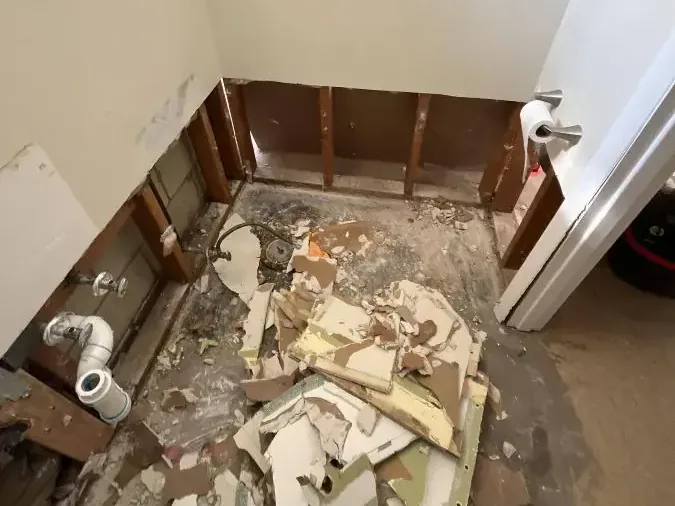
The water extraction process concentrates on accessible liquid, including water beneath movable fixtures where inspection supports access. Cabinets fixed to the floor, display platforms and wall bases may need closer examination because the visible walking surface does not show every place the release reached.
The manager should identify equipment that cannot be moved casually, such as connected displays or machinery. Disconnecting and relocating such items belongs with personnel qualified for that work.
The extraction record can note each inaccessible area so it remains an active task rather than disappearing from the scope.
Arrange drying around the way the premises operates
An open sales floor and an enclosed storeroom can respond differently during drying. Technicians establish the affected materials in each area and record repeat readings at recognizable locations.
This allows the equipment arrangement to change when a cabinet base, partition or floor edge is responding more slowly than surrounding surfaces.
Customers should not be routed through drying equipment merely because part of the floor looks clean. Cords, hoses, noise and temporary openings affect whether an area is suitable for normal use.
The operating plan should identify protected circulation and any rooms that remain closed while work continues.
The structural drying assessment provides the material information needed for the repair sequence. A manager can coordinate deliveries and staffing around documented access decisions, with a clear contact for changes when equipment moves or additional wet construction is uncovered.
Tie reopening to specific rooms and functions
A delayed opening can involve several different obstacles: the approach to the building, the interior walking route, stock readiness or an unresolved electrical concern. Listing those obstacles separately gives the manager a practical decision record.
A completed utility repair can be recorded while an affected room still requires cleanup.
For each business function, the manager should establish which space and equipment it needs. A checkout area, storage room or staff entrance may depend on different repairs.
This makes it easier to explain why a particular activity can resume while another stays suspended pending specialist clearance or material drying.
Any temporary operating arrangement should be checked again when work conditions change. Removed flooring, relocated stock and drying exhaust can alter the usable layout.
Keeping the latest room plan available to staff reduces the chance that an old instruction sends someone into the active cleanup area.
- List usable entrances and restricted rooms by name.
- Confirm the status of affected electrical equipment with the responsible specialist.
- Assign a manager to communicate changes to staff.
Keep a business record that supports the next decision
The closing file should link the first photographs to the materials actually cleaned, removed or dried. Item lists, equipment records and trade repair notes help explain how the interior changed.
Remaining finish repairs should be listed explicitly so the business can arrange them without reconstructing the entire incident from memory.
A concise handoff is especially helpful when different managers cover the premises. The next person needs the current restrictions, the location of retained stock and the next scheduled inspection.
This keeps the business response connected to the condition of the building throughout recovery.
Questions
Can staff mop up water while a public main is being repaired?
Staff should first have a safe work area and an assessment of the water and electrical conditions. Cleaning duties can then be assigned within the agreed boundary. Entering an active release or moving wet electrical equipment to reach a puddle is unsafe.
What belongs in the first report to the cleanup company?
The report can identify the type of business, occupied rooms, visible entry point, affected stock and any blocked access. Mentioning machinery, electrical concerns and ongoing entry helps the inspection team prepare for the actual working environment.
Should all merchandise be discarded together?
Inventory needs item specific assessment. The disposition depends on contact, packaging, product requirements and cleanability. Keeping untouched items separated and preserving labels gives the business a clearer basis for deciding which goods can remain and which require removal.
Who decides when business activities can resume?
The responsible business manager coordinates reopening with the people assessing building safety, repairs and cleanup. The decision should identify the exact activities and rooms being released for use, with any continuing restrictions communicated to staff.