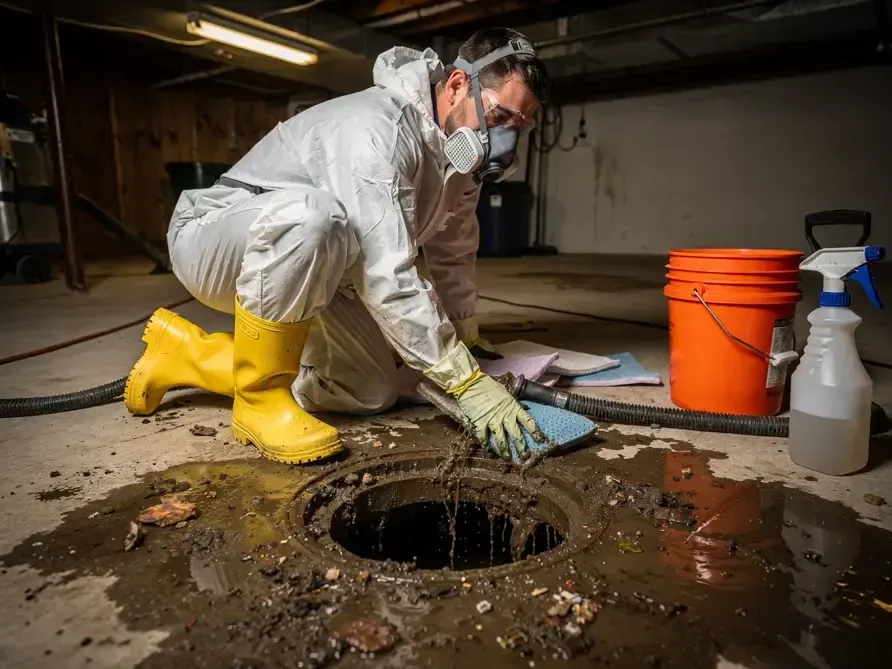
Oradell directs residents experiencing sewer backups to contact the Department of Public Works before an outside contractor so the borough can check its sewer main. That first report should describe the affected fixtures and current conditions. Meanwhile, the household should keep people and pets outside the contaminated area and avoid using plumbing that could add to the backup.
Key takeaways
- Follow the borough instruction to contact DPW before an outside contractor for a sewer backup.
- Report affected fixtures, the first observed overflow and whether wastewater continues entering.
- Keep contaminated items and footwear out of unaffected living spaces.
- Coordinate the drain investigation with a separate plan for cleaning wet indoor materials.
Give public works a useful description of the problem
A clear report begins with what the resident can observe from a safe position. Wastewater at a floor drain, an overflowing toilet and several fixtures reacting together are useful details.
The report should identify whether the condition is active and whether any occupied room is affected.
The borough maintains sanitary sewers, manholes and pumping stations, and its instruction allows staff to check the municipal main first. The resident should record the advice received and any visit or follow up arranged.
That information helps keep later contractor work connected to the borough's findings.
The resident should avoid opening a manhole or attempting to investigate public infrastructure. The practical task is to preserve the fixture observations and keep the affected area restricted.
After the municipal reporting step, sewage cleanup planning can address the water, residue and materials inside the building.
- Identify the fixture or drain where wastewater appeared.
- Describe whether other fixtures are also affected.
- Save the borough's instructions and the time of the report.
Reduce additional flow while the cause is investigated
When sewage is backing up, continued plumbing use can add water to the problem. Occupants should pause activities that discharge into the affected drainage system and tell other household members about the restriction.
A washing machine or another appliance should not be run merely to test whether the drain has recovered.
The professional investigating the drain can advise when use may resume. Residents should report any change in the affected fixtures instead of repeatedly flushing or adding water.
A brief note describing when the level rose or receded is more useful than a series of uncontrolled test discharges.
An isolated toilet overflow still requires attention to water condition and the surrounding materials. The toilet overflow assessment can identify the room boundary while the drain professional determines the fixture problem.
Keeping that distinction clear helps avoid overlooking contaminated flooring beside an apparently repaired fixture.
- Tell every occupant which plumbing use is restricted.
- Leave drain testing to the person investigating the fault.
- Report fresh discharge without walking through the affected area.
Understand the municipal check and the private work area
The Department of Public Works cleans and maintains borough sewer mains. Its stated maintenance scope excludes individual sewer service laterals.
The resident can use the municipal findings to discuss the next inspection with the appropriate contractor and identify the part of the drainage system requiring attention.
The indoor restoration team needs the outcome of that investigation because continuing discharge affects cleanup sequencing. A cleared obstruction, an identified damaged section or a remaining access problem should be communicated in plain terms.
The water removal plan then reflects the actual status of the source.
The owner should keep proposals for drain work separate from proposals for indoor cleanup. Each should identify its own tasks and affected area.
This arrangement makes it easier to coordinate scheduling and understand which company is responsible for the sewer repair, contaminated materials and later finish restoration.
- Ask what section was inspected and what was found.
- Identify the professional responsible for remaining drain work.
- Share source control findings with the cleanup team.
Treat the travel path as part of the contaminated area
Wastewater may spread beyond the fixture into a hall, storage area or nearby room. Footwear, buckets and moved belongings can extend that contact.
The team should establish a boundary that follows the actual exposure and use a controlled route for equipment and removed materials.
Household members should stay out of the working area, including pets that could cross between rooms unnoticed. Unaffected belongings should remain in a separate space.
A wet item should not be placed on clean furniture simply because it needs to be lifted away from the floor.
The inspection includes accessible floor edges, wall bases and stored contents that contacted the discharge. Materials are evaluated for cleanability and condition.
The removal plan should explain what needs disposal or opening and how that work will be kept separate from the rest of the home.
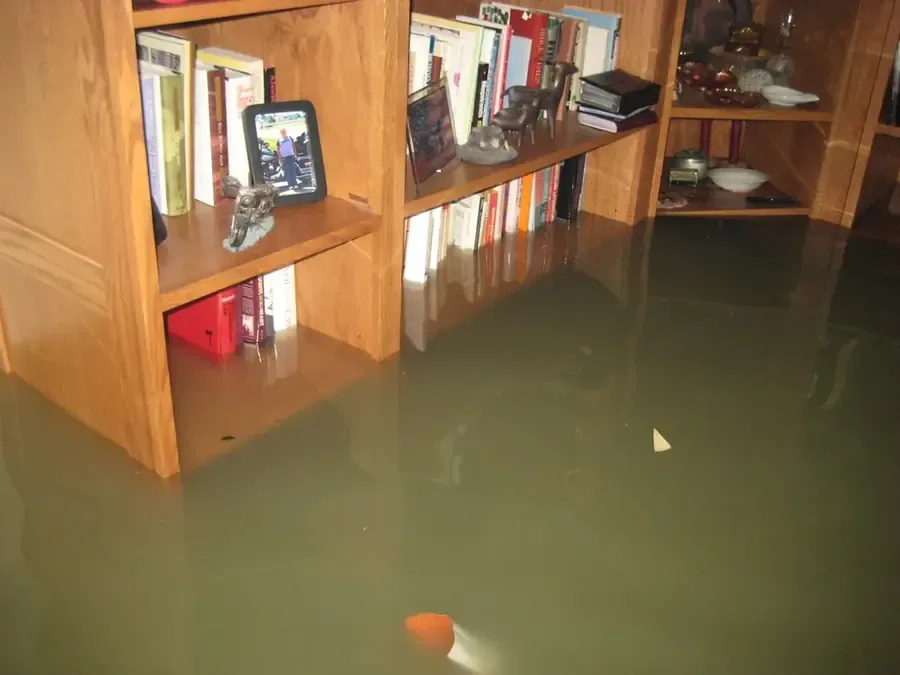
Make the basement route safe before retrieving storage
A lower room can contain electrical equipment, poor visibility and crowded storage around a drain. The resident should remain outside water that could contact energized equipment.
A cleanup plan must address access and electrical concerns before anyone begins carrying boxes up a stair.
The basement cleanup assessment can map shelves, floor storage and wet room boundaries. Items can be photographed in groups that retain their original location.
This gives the owner a usable inventory without repeatedly handling contaminated packaging during the first inspection.
Removal should use a designated route and suitable handling methods for the material involved. The owner can identify valuable or irreplaceable items for specialist assessment, but that discussion should happen before disposal or transport.
The record should then show what left the room and the disposition decision attached to it.
- Keep clear of wet panels, outlets and powered equipment.
- Identify storage groups from outside the restricted area when possible.
- Request an assessment of important contents before removal decisions are final.
Follow removal with cleaning and then measured drying
Removing wastewater leaves residue on retained surfaces and may leave moisture in construction. The cleanup sequence should address contamination before relying on ordinary drying equipment.
Materials that cannot be suitably cleaned require a removal decision rather than being concealed behind new finishes.
Once the retained assembly is ready for drying, technicians monitor the materials that remain. Wall bases, floor edges and exposed framing may respond differently.
The work record should show which locations are being tracked and why equipment or access changes are needed as the job progresses.
Residents should not restart normal use of a restricted room simply because the visible water is gone. The team should explain the current status of cleaning, drying and remaining repairs.
A clear release of the area helps the household avoid mixing normal storage with unfinished contaminated work.
Keep the sewer finding with the indoor completion record
The owner needs a record that connects the drainage diagnosis to what was done inside. Borough correspondence, contractor findings, contents lists and material removal photographs can be organized under the same incident date.
Each entry should identify its author and the specific part of the property it covers.
The final handoff should list any unfinished drain repair, missing wall or floor finish and remaining access restriction. That list gives the next trade a defined starting point.
It also helps the household distinguish a completed cleanup task from a plumbing or reconstruction task still awaiting attention.
Questions
Why does the borough ask residents to contact DPW first?
The published instruction allows the borough to check its sewer main before an outside contractor is engaged. Residents can describe the fixtures involved and retain the borough's response. The findings then help coordinate any further drain investigation and the indoor work.
Can a resident clear the floor and wash everything down?
Sewage contact requires controlled handling and a material assessment. Unplanned washing can spread contaminated water into additional rooms or layers. The affected area should remain restricted while the cleanup team determines removal, cleaning and suitable handling of contents.
Does repairing a drain complete the restoration?
A functioning drain addresses the discharge problem, but wet construction and contacted belongings still need assessment. Cleanup may involve removal, cleaning and drying before finish repairs. The owner should receive a scope that identifies those indoor tasks separately.
What should be reported if another fixture starts backing up?
The resident should tell the investigating professional which fixture changed and whether wastewater is still rising. The observation can be added to the existing report with its time. Plumbing use should remain restricted according to the professional's instructions.