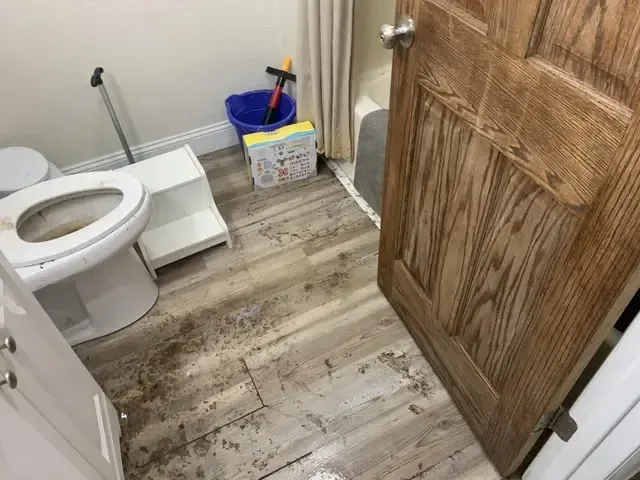
Toilet Overflow Cleanup in Oradell
Water escaping a toilet needs careful handling, especially at floor joints and doorways. Stop using the fixture and keep the bathroom separated while the source and contact area are assessed.
(888) 471-9821Assess the bathroom spillHow toilet overflow cleanup is handled in Oradell
Toilet overflow restoration addresses water and waste that reach the bathroom and adjoining materials. The assessment distinguishes a fixture problem from a wider backup and plans removal, cleaning and drying around contacted surfaces.
First steps for toilet overflow cleanup
- 1
Keep the fixture unused
Avoid flushing to test the blockage. Keep occupants outside the bathroom and avoid adding water through nearby fixtures while the source of the overflow is assessed.
- 2
Identify wider backup symptoms
Describe any other affected drain or returning wastewater. If a sewer backup is suspected, contact the Department of Public Works before an outside contractor as the borough directs.
- 3
Separate dry belongings safely
Move only accessible unaffected items away from the doorway. Leave wet towels, rugs and bathroom contents in the contact area until their handling and disposal needs are assessed.
- 4
Describe the spill boundary
Note whether water crossed the threshold, reached a vanity or entered a floor joint. Observations from a dry position help establish where the cleanup inspection needs to extend.
What does toilet overflow cleanup cost in Oradell, NJ?
Oradell toilet overflow cleanup planning ranges are $800 to $1,800 for a contained bathroom spill, $1,800 to $3,500 for floor-edge spread, and $3,500 to $5,500+ for wastewater across rooms. Contacted materials determine the scope.
Contained bathroom spill
- Limited accessible wastewater contact
- Focused hard surface cleaning
- Bathroom edge inspection
Floor-edge spread
- Water beneath adjoining finishes
- Porous material handling needs
- Targeted drying access
Wastewater across rooms
- Broader contaminated contact boundary
- More contents separation work
- Expanded cleaning and monitoring
Compare the scope with the water damage cost calculator. The restoration company prices the inspected damage, material access and equipment needs separately from source repairs, replacement finishes and contents work.
The toilet overflow cleanup process
- 1
Establish fixture status and contact limits
The inspection identifies the source response already underway and the surfaces reached by overflow water. It considers other drain symptoms and any borough coordination, then sets a work boundary that includes connected rooms and floor edges where necessary.
- 2
Remove liquid and assess affected items
Wastewater is collected using appropriate methods, and contacted contents are evaluated before movement. Porous finishes are checked for removal needs while suitable hard surfaces remain available for cleaning within the controlled bathroom work area.
- 3
Clean the reachable retained materials
The cleanup reaches exposed surfaces around the toilet, vanity and threshold. Any concealed layer requiring access is identified so surface cleaning does not hide unfinished work beneath a covering or behind a damaged cabinet base.
- 4
Measure moisture before returning the room
Drying addresses retained materials after the cleaning stage. The completion record documents contact areas, disposal decisions and moisture findings, helping establish which repairs remain and when the bathroom can be returned to normal use safely.
A toilet overflow can leave water beneath a vanity and across the threshold before the bowl returns to a normal level. In Oradell, the cleanup assessment needs both the spill boundary and the drain symptoms. A contained fixture blockage and a wider sewer backup require different source coordination.
Use the drain symptoms to choose the next contact
The borough directs residents with suspected sewer backups to contact the Department of Public Works before an outside contractor so the municipal main can be checked. Multiple affected drains, returning wastewater or changes elsewhere in the building should be described during that initial contact.
For a property near Maple Avenue, Kinderkamack Road or Delford, explain the bathroom location and the dry route to it. Keep people and pets out of the affected room. Repeated flushing can add water and spread contact into floor coverings beyond the bathroom door.
- Pause flushing and nearby fixture use.
- Note whether other drains are affected.
- Keep towels and belongings out of wastewater.
- Describe spread beyond the bathroom threshold.
Inspect the joints around hard surfaces
A tile surface can look clean while water remains at its perimeter or beneath adjoining flooring. The toilet base, vanity edge and doorway are useful inspection points. If wastewater reached a porous cabinet base or wall finish, that contact affects the material handling decision.
Cleaning a visible floor does not automatically address hidden layers. Targeted access may be necessary where water passed beneath a finish or entered a wall base. The scope should explain which surfaces can be cleaned and which damaged or contaminated materials need removal.
Protect the route through the rest of the home
Wet footwear, used towels and moved belongings can carry residue into dry rooms. A controlled work route limits that spread while affected contents are documented and handled. Keep unrelated household items away from the staging area until cleanup and material decisions are complete.
Drying follows appropriate removal and cleaning. Measurements check retained materials around the bathroom, including connected floor edges that appear dry from above. If the symptoms point to a broader drainage event, sewage backup cleanup provides the related borough contact and material handling priorities.
- Separate contacted belongings from clean storage.
- Assess porous finishes beneath the vanity.
- Check the floor outside the doorway.
- Document inaccessible areas around fixed fixtures.
The spill can outlast the plumbing symptom
A toilet that flushes normally after a blockage is cleared may still be surrounded by wet or contaminated material. The plumbing result and the cleanup result need separate attention. The owner should know where wastewater reached, what was removed and which retained layers were cleaned and dried. Reopening the bathroom depends on those conditions as well as the fixture repair. A clear record keeps a corrected drain from becoming the only reason to close the cleanup project.
Toilet overflow cleanup coverage
Oradell bathroom cleanup assessments include properties around Maple Avenue and Delford. Describe the overflowing fixture, nearby wet rooms and whether other drains are behaving unusually before access arrangements.
The same service nearby: toilet overflow cleanup in Paramus, River Edge, Maywood.
Toilet Overflow Cleanup questions
Should the toilet be flushed to test it?
Avoid repeated flushing after an overflow because it can add water to the spill. A source assessment should establish the blockage or backup status. Keep the fixture unused until the appropriate plumbing or borough response clarifies the problem.
When should the borough be contacted first?
For a suspected sewer backup, the borough directs residents to contact the Department of Public Works before an outside contractor. Describe other affected drains and returning wastewater so the municipal main can be checked through that process.
Does a tiled bathroom floor contain the damage?
Water can pass through edges, joints or the doorway into adjacent layers. Inspection should include the vanity base and connected flooring. The visible hard surface alone does not define the full area needing cleaning and drying.
Can wet bath mats go into another room?
Keep contacted porous items separate from dry belongings until handling is assessed. Moving them through the home may spread residue. Photographs and an inventory can document their condition before decisions about cleaning or disposal are made.
Is ordinary surface wiping enough after overflow?
The required cleaning depends on wastewater contact and the materials involved. Hidden floor layers or porous finishes may need access or removal. Inspection also checks beneath and beside wiped surfaces to identify remaining contact and retained moisture.
Why take moisture readings after cleaning?
Cleaning addresses contacted surfaces, while readings assess water retained in building materials. Both tasks matter before repair. A bathroom can look clean and still have damp floor edges or wall bases that require continued drying access.
Set a boundary around the overflow
Arrange an Oradell assessment after following the borough contact instruction for any suspected sewer backup.