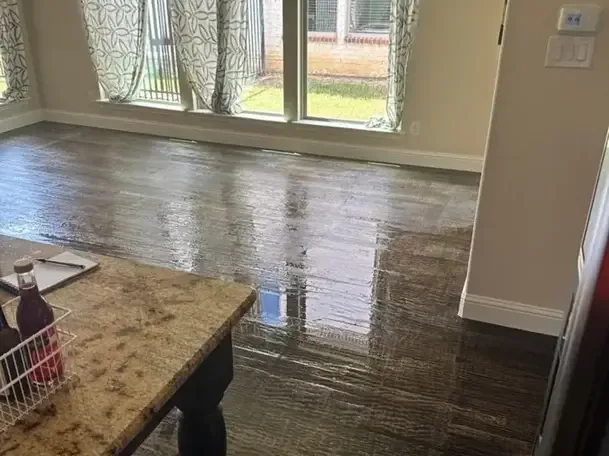
Appliance Leak Water Damage in Oradell
A puddle in front of an appliance can leave the wettest surface out of sight. Inspection follows water under the machine, behind nearby cabinets and across connected floor layers before cleanup is scoped.
(888) 471-9821Check behind the wet applianceHow appliance leak water damage is handled in Oradell
Appliance leak restoration examines water released around household equipment and into surrounding finishes. Cleanup accounts for the source, water condition and hidden material contact before selecting removal boundaries and a practical drying arrangement.
First steps for appliance leak water damage
- 1
Stop use of the appliance
Leave the machine off. Avoid wet switches or plugs, and seek qualified assistance when isolation cannot be reached safely from a dry area.
- 2
Describe the release clearly
Report whether water appeared during a cycle, near a hose or beneath a cabinet. Mention visible residue so the assessment can consider the actual water contact and handling needs.
- 3
Protect the adjacent dry space
Keep dry belongings clear of the spreading edge without crossing wet flooring. Leave heavy appliances and attached cabinetry in place until disconnection and access have been planned safely.
- 4
Arrange the necessary authorization
For a managed or rented property, identify the person who can approve appliance access and material work. Gather service information that may help explain the source and repair status.
What does appliance leak water damage cost in Oradell, NJ?
Appliance leak cleanup in Oradell has planning bands of $700 to $1,600 for an open floor release, $1,600 to $3,300 for cabinet or floor spread, and $3,300 to $5,000+ when several assemblies are wet.
Open floor release
- Accessible surface water removal
- Limited surrounding finish exposure
- Localized moisture readings
Cabinet or floor spread
- Concealed cabinet base contact
- Wet underlayment access needs
- Targeted material removal
Several assemblies wet
- Connected wall and floor damage
- Broader cleaning and drying
- Additional appliance access coordination
Compare the scope with the water damage cost calculator. The restoration company prices the inspected damage, material access and equipment needs separately from source repairs, replacement finishes and contents work.
The appliance leak water damage process
- 1
Identify the release and contact area
The inspection combines appliance service findings with visible water and moisture readings. It distinguishes an accessible puddle from concealed spread under cabinets or floor coverings, creating a useful boundary for the cleanup work.
- 2
Coordinate safe equipment movement
The appropriate professional handles disconnection and access around the appliance. Restoration assessment then reaches the blocked surfaces, evaluating damaged cabinet bases, underlayment and wall materials before deciding what can remain in the drying area.
- 3
Clean and dry the exposed assembly
Water removal and suitable cleaning address the contacted surfaces. Drying equipment is arranged around retained materials, with repeated readings at cabinet edges and floor transitions showing whether hidden moisture continues beyond the original wet patch.
- 4
Set the return to normal use
The handoff records appliance repair status separately from material readiness. It explains any remaining access needs and replacement finishes so equipment placement, room use and reconstruction can be coordinated without closing damp layers prematurely.
A dishwasher release can wet the cabinet beside it while the open kitchen floor is already drying. A washer hose can send water through a doorway before the machine is stopped. Oradell appliance cleanup starts by connecting the equipment failure with the places water could reach beneath fixed finishes.
Start with the appliance and the room layout
The 2016 borough housing estimate counted 88.7% of housing units as single-family detached homes and 11.1% as renter-occupied units. In an affected residence, access approval and appliance service need coordination with the owner or responsible property representative before fixed equipment or cabinets are disturbed.
Kinderkamack Road, Memorial Field and Ridgewood Avenue provide local reference points when arranging entry. The cleanup assessment needs the specific room layout: whether cabinetry surrounds the appliance, whether flooring continues underneath it and whether the wet room connects to another occupied space.
- Identify the appliance involved in the release.
- Note whether it was operating when discovered.
- Describe adjacent cabinets and floor transitions.
- Keep wet electrical connections untouched.
Find the water that a mop cannot reach
A toe kick can conceal damp cabinet backing, and a floating floor can hold liquid underneath its visible surface. Removing the puddle does not settle those areas. Targeted measurements and suitable access help determine whether hidden layers need cleaning, removal or continued drying.
Water from a supply hose differs from an appliance discharge containing detergent or food residue. The actual source and contacted materials shape handling decisions. A wet composite cabinet base may respond differently from a cleanable hard surface beside it, even within the same small room.
Coordinate movement before the machine is pulled out
Dragging a connected appliance can damage hoses, wiring or already weakened flooring. Disconnection and movement should be planned with the appropriate service professional. Once access is available, the surfaces behind and beneath the machine can be examined before it returns to its original position.
If wood flooring has lifted at the room edge, hardwood floor water damage needs separate material checks. The appliance service record and restoration record should remain connected, showing both how the release stopped and which building layers still require attention before reconstruction.
- Inspect the floor beneath the equipment footprint.
- Check the cabinet base beyond the wet edge.
- Preserve access to damp wall backing.
- Record any remaining inaccessible areas.
A working appliance can sit above unfinished damage
A repaired hose or pump may return the machine to service while moisture remains below it. Before the equipment is pushed back into a recess, the affected floor and adjacent finishes need assessment. The owner should understand whether the appliance can be used during drying and whether access must stay open for further readings. For a rental, that plan also needs a person authorized to approve the work. Clear coordination avoids burying a wet cabinet base or floor layer behind equipment that has just been repaired.
Appliance leak water damage coverage
Oradell appliance damage assessments can include homes near Kinderkamack Road and Memorial Field. Describe the appliance, wet room and access beneath or behind nearby fixed cabinetry.
The same service nearby: appliance leak water damage in Paramus, River Edge, Maywood.
Appliance Leak Water Damage questions
Can a leak continue beneath a dry kitchen floor?
Moisture can remain under a covering after its surface has dried. Cabinet recesses and floor transitions can also hide water. Readings and targeted access help establish whether the apparent dry area still needs restoration work beneath it.
Should a dishwasher be pulled out immediately?
A connected machine should be moved through a planned service procedure. Hoses, wiring and damaged flooring can complicate removal. Once safe access is arranged, the hidden surfaces can be assessed without creating another release or additional damage.
Does detergent change the cleanup approach?
The water source and any residue affect cleaning and material decisions. An appliance discharge may contact porous layers differently from a supply leak. The assessment should identify those conditions before deciding what can remain and how it will be cleaned.
Why inspect the cabinet next to the machine?
Water can enter a cabinet base through joints or behind the toe kick. That moisture may be concealed from the open floor. Checking the adjoining cabinet helps define the full contact area and necessary drying access.
Who should authorize work in a rental?
The responsible owner or property representative should clarify authorization for appliance movement and building material work. Residents can describe the damage and protect safe access while that coordination establishes who can approve the proposed cleanup scope.
Can the appliance run while the floor dries?
Use depends on completed source repair, electrical safety and the drying arrangement. A machine may need to remain accessible for measurements or material work. The plan should explain those conditions before the appliance returns to routine operation.
Reach the damage beneath fixed equipment
Coordinate source service and surrounding material checks for the affected Oradell kitchen or laundry area.