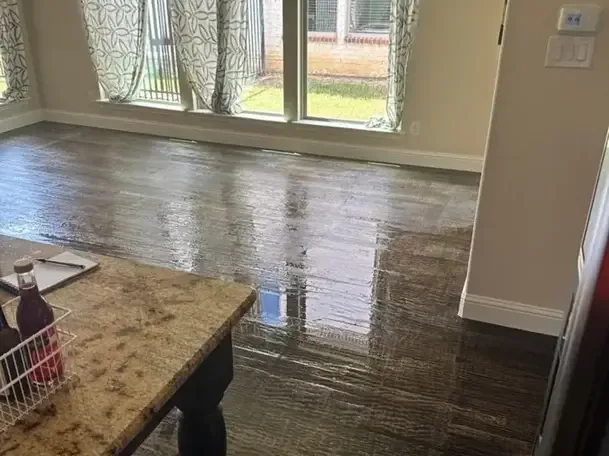
Glen Rock Appliance Leak Water Damage
A puddle in front of an appliance can be the smallest part of the release. Glen Rock cleanup checks behind the machine, beneath nearby cabinets and across connected flooring before replacement hides the damage.
(888) 471-9821Discuss the appliance's wet surroundingsHow appliance leak water damage is handled in Glen Rock
Appliance leak cleanup follows water beyond the visible machine opening. The scope considers the released water, cabinet materials and flooring layers, then coordinates safe access for removal, cleaning and drying around the affected equipment.
First steps for appliance leak water damage
- 1
Stop use of the appliance
Operating a leaking machine can add water to the assembly. Safe isolation and diagnosis come before moving the appliance or inspecting the space behind it.
- 2
Keep wet electrical areas clear
Water near cords, outlets or connected equipment affects the access plan. Household members should avoid reaching into the wet area or pulling a machine forward until safe conditions are established.
- 3
Describe hidden access points
Cabinet bases, adjoining rooms and reachable floor edges help define where moisture could remain. Sharing the arrangement of those surfaces gives assessment a useful starting point beyond the visible puddle.
- 4
Document affected furnishings
Photographs of kickboards, floor seams and wet contents help explain the loss. Safe viewpoints preserve the initial condition before repair or cleanup changes the room.
What does appliance leak water damage cost in Glen Rock, NJ?
Appliance water damage cleanup in Glen Rock has planning ranges of $700 to $5,000+. Cabinet access, layered flooring and hidden spread influence the charge, while appliance repair or replacement should be separately identified in the scope.
Open floor release
- Accessible appliance spill
- Limited edge dampness
- Focused extraction and drying
Cabinet or floor spread
- Water beneath cabinet bases
- Layered flooring requires assessment
- Selective access for trapped moisture
Several assemblies wet
- Connected room surfaces affected
- Multiple materials need treatment
- Broader drying scope
Compare the scope with the water damage cost calculator. The restoration company prices the inspected damage, material access and equipment needs separately from source repairs, replacement finishes and contents work.
The appliance leak water damage process
- 1
Identify the machine release and water condition
The source assessment considers the appliance, cycle and likely path of the water. The restoration boundary follows contacted surfaces, while qualified equipment work handles isolation or repair before access behind the machine is planned.
- 2
Expose wet edges that block useful treatment
Cabinet toe areas and floor seams can conceal the affected boundary. Access decisions should explain which components need removal and which can remain, preserving suitable material while reaching moisture that open room airflow cannot address.
- 3
Treat the connected flooring and cabinetry
Extraction and cleaning prepare retained surfaces for drying. Equipment placement considers fixed cabinets, floor coverings and any adjoining room spread, with readings showing whether a concealed corner needs further access to release the remaining moisture.
- 4
Coordinate replacement with the drying result
The appliance may be ready before its surroundings are dry. The final notes should identify material conditions and remaining repairs so equipment placement or new cabinet finishes do not close access to an unfinished wet area.
The open kitchen floor may dry with a towel while water remains beneath the dishwasher or cabinet base. A washer release can create the same mismatch between visible cleanup and concealed damage. Glen Rock appliance restoration checks the machine setting and follows the water into spaces that ordinary room access leaves hidden.
Identify what escaped and where it traveled
The appliance cycle and source influence the condition of the released water. A supply connection and used wash water can require different handling decisions. The assessment should establish those circumstances while tracing the floor path, rather than relying on the size of the puddle as the whole scope.
A home near Rock Road may have fixed surfaces that limit access behind the machine. The inspection needs the actual arrangement of cabinets, flooring and adjacent rooms. If a threshold appears dry, moisture measurements can still help determine whether water passed beneath the finish toward another space.
- Swollen or softened cabinet kickboards near water
- Floor seams changing beyond the machine opening
- Wet edges at an adjoining room threshold
- Water trapped behind equipment or fixed finishes
Make access decisions before installing a replacement
Safe appliance isolation belongs ahead of movement or cleanup behind the machine. Pulling equipment forward without controlling connections can add another release or expose electrical hazards. The repair trade and restoration work should coordinate access so inspection reaches the floor while the opening is available.
At properties around Doremus Avenue or in Ferndale, the materials present determine the removal plan. A damaged cabinet component may need replacement, while a suitable retained surface may need cleaning and drying. Explaining those decisions makes the scope specific to the room instead of treating every cabinet identically.
Floor layers need their own drying assessment
Water can move through seams into the material beneath a floor covering. A dry top surface cannot show whether the lower layer is ready to be enclosed. Measurements and accessible edge checks help distinguish surface improvement from the condition of the assembly supporting the room.
Equipment placement should account for fixed cabinetry and narrow cavities. Open floor airflow may leave an enclosed corner unchanged, requiring different access or treatment. The work record should identify those adjustments and show how remaining material moisture was evaluated before the machine returns to its usual position.
- Define the appliance repair responsibility separately
- Inspect flooring beneath the accessible equipment opening
- Record cabinet components selected for removal
- Keep concealed wet edges available for checking
The replacement delivery is a coordination point
A working appliance is welcome, but installation timing should account for the floor and cabinets around it. Closing the equipment opening too early can block the last damp area from inspection. A clear handoff states which surfaces were treated, what remains wet and what repairs are separate from cleanup. That allows the owner to coordinate delivery and installation around the actual condition of the kitchen or laundry space.
Appliance leak water damage coverage
Glen Rock appliance damage assessments include homes around Rock Road, Doremus Avenue and Ferndale, inspecting the actual kitchen or laundry arrangement and its connected floor surfaces.
The same service nearby: appliance leak water damage in Paramus, Fair Lawn, Oradell.
Appliance Leak Water Damage questions
Why inspect under cabinets after a small leak?
Water can pass into narrow spaces beneath fixed cabinetry while leaving little visible on the open floor. Those edges may retain moisture after wiping. Checking them helps determine whether access and drying are needed beyond the appliance opening.
Does every appliance release involve clean water?
The appliance cycle, source and contacted surfaces affect water condition. That assessment influences cleaning and material handling. A cleanup plan should account for those circumstances instead of assuming all water around a machine can be treated identically.
Can the appliance be pulled out immediately?
Wet electrical connections, hoses and surrounding finishes can make movement hazardous or cause further damage. Safe isolation and a controlled access plan should come first. The appropriate trade can coordinate movement with inspection of the hidden floor area.
Will cabinet removal always be necessary?
Material condition and access determine that decision. Some components may remain suitable, while others prevent treatment of trapped moisture or have deteriorated. The estimate should explain the purpose and boundary of any proposed removal before work proceeds.
What if the replacement machine arrives early?
Installation should be coordinated with source repair and the condition of the surrounding assembly. Covering wet flooring or blocking inspection access can interrupt cleanup. The work record helps explain what needs completion before the replacement occupies the space.
Should nearby wood flooring be assessed too?
Yes, where the release reached it. Water can enter seams and layers beyond the visible appliance puddle. Measurements and inspection help determine the affected boundary and whether flooring needs specialized treatment alongside cabinet or wall drying.
Reach the moisture behind the machine
Coordinated access lets cleanup address concealed floor layers before the appliance or surrounding finishes return to place.