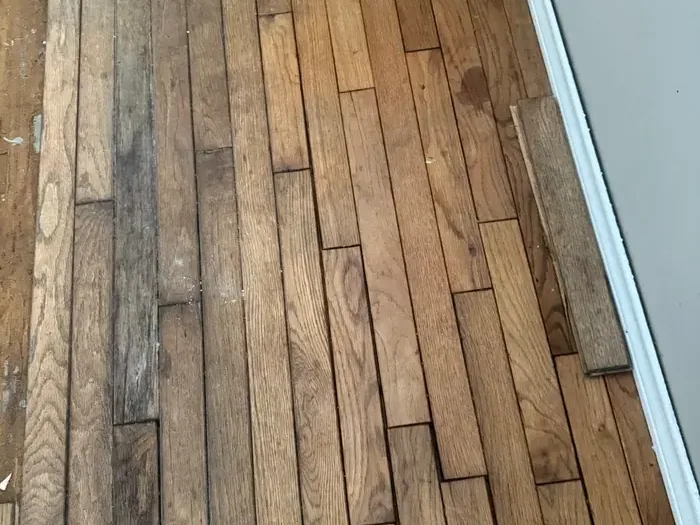
Glen Rock Hardwood Floor Water Damage
Raised board edges can reveal moisture beneath an otherwise clean looking floor. Glen Rock hardwood cleanup examines the wood, its supporting layers and the original water contact before deciding how drying or replacement should proceed.
(888) 471-9821Discuss the changed floor boardsHow hardwood floor water damage is handled in Glen Rock
Hardwood water damage restoration considers the complete floor assembly. Measurements and inspection establish where moisture remains, whether the boards can respond to drying and which damaged or contaminated components need a different repair decision.
First steps for hardwood floor water damage
- 1
Resolve the water source
New water prevents useful floor treatment. The plumbing, appliance or exterior problem needs correction while inspection establishes how the boards and supporting layers were affected by the earlier release.
- 2
Observe changed board shape
Cupping, gaps and raised edges help describe the condition. Forcing boards flat or beginning finish work can obscure those changes before moisture assessment establishes the next treatment decision.
- 3
Reveal accessible wet edges
Rugs and furniture may hide the boundary. Suitable handling exposes floor seams for inspection, while contaminated or damaged belongings need separate decisions before movement across unaffected wood surfaces.
- 4
Wait on cosmetic work
Sanding or coating should follow assessment of the wet assembly. Measurements across boards and accessible underlayers provide a basis for discussing repair timing beyond the first visible change.
What does hardwood floor water damage cost in Glen Rock, NJ?
Hardwood floor water damage work in Glen Rock has planning ranges of $1,000 to $6,500+. Affected area, layered construction and material condition shape the estimate, with refinishing or replacement costs separately identified where applicable.
Limited clean-water area
- Localized suitable board treatment
- Accessible perimeter moisture checks
- Focused floor drying arrangement
Multiple wet sections
- Connected board sections
- Underlayers need assessment
- Expanded measurement coverage
Damaged layered assembly
- Floor components require removal
- Concealed layers remain affected
- More complex repair handoff planning
Compare the scope with the water damage cost calculator. The restoration company prices the inspected damage, material access and equipment needs separately from source repairs, replacement finishes and contents work.
The hardwood floor water damage process
- 1
Assess the boards and the water history
Inspection considers board movement, water condition and the entry route. Measurements in affected and suitable comparison areas establish the moisture pattern before treatment decisions assume each changed section will respond alike.
- 2
Evaluate the supporting assembly and access
A finish may conceal wet underlayers or a damp subfloor. Accessible edges and openings help identify those conditions, and the scope explains any removal necessary to reach unsuitable components or trapped moisture beneath the visible wood surface.
- 3
Dry suitable retained floor components deliberately
Suitable boards and supporting materials receive a drying arrangement based on their condition. Measurements track the response and direct adjustments where surface improvement outpaces the moisture change in deeper or less accessible floor sections.
- 4
Separate drying results from finish repair choices
Final material conditions inform the discussion about sanding, replacement or other finish work. The handoff should describe what was retained and treated so the flooring contractor can evaluate the remaining appearance and installation requirements with a clear moisture record.
Hardwood can show a water loss as a change in shape instead of a remaining puddle. Raised edges, opened joints or a lifted section may appear after the surface has been wiped clean. Glen Rock floor restoration considers what those changes mean for the boards and for moisture below them.
Assess the floor that is actually installed
The assembly matters: the visible wood, its attachment and the material supporting it influence access and treatment. Inspection also considers the source and condition of the water. A suitable clean water affected area may receive a different plan from boards damaged by contaminated contact or substantial deterioration.
A property in Ferndale needs an assessment of its own flooring. Around Doremus Avenue, the same attention to installed materials applies. Location helps arrange the visit, while board condition and moisture measurements establish whether treatment can proceed with the existing floor or needs selective removal first.
- Changed board edges after the release stopped
- Gaps continuing beyond the original wet spot
- Rugs or furniture hiding part of the floor
- Damp supporting layers at accessible perimeter points
Drying requires more than a surface improvement
Moisture can remain beneath wood after the exposed face feels dry. Measurements across the affected area help identify the boundary and track response to equipment. The plan should explain how retained boards and underlayers will be assessed, including any point that cannot be reached without further access.
At an affected home near Ackerman Avenue, adjacent room flooring may form a continuous assembly. Inspection can follow that connection to determine whether the release spread beyond the first visible change. A doorway is a useful reference, but it does not automatically mark the end of the wet area.
Keep the finish decision separate until the floor settles
Early sanding can treat the current shape without accounting for further change as moisture leaves. The condition of the retained assembly needs to be understood before cosmetic work begins. A flooring specialist can then assess appearance and installation requirements using the drying record as part of the repair discussion.
Some components may remain unsuitable despite a drying attempt, while others respond appropriately. The scope should leave room for a measured decision based on the actual result. Documenting board condition and treatment boundaries helps explain why the final repair may differ from the first impression of the room.
- Record water contact before selecting floor equipment
- Compare readings across the affected assembly
- Explain removal where access or condition requires it
- Hand moisture records to the finish contractor
The floor surface is part of a larger assembly
A useful restoration plan connects visible board changes with concealed material conditions. The owner should understand what can be treated, how progress will be judged and when final repair choices can be made. That sequence gives replacement or refinishing a sounder starting point than a rushed cosmetic response. It also keeps the source correction and supporting layers in the discussion after the obvious puddle has disappeared from the room.
Hardwood floor water damage coverage
Hardwood damage assessments cover Glen Rock homes in Ferndale and near Doremus Avenue and Ackerman Avenue, evaluating the installed floor and the water that reached its layers.
The same service nearby: hardwood floor water damage in Paramus, Fair Lawn, Oradell.
Hardwood Floor Water Damage questions
Do cupped boards always need replacement?
Board movement needs assessment of the material, water exposure and supporting layers. Some floors may be suitable for controlled drying, while others have damage or contamination requiring removal. The decision should follow the actual assembly rather than appearance alone.
Why avoid sanding while the wood is wet?
Wet boards can continue changing as moisture conditions shift. Sanding before that condition is understood can create a finish problem later. Moisture assessment and a clear drying endpoint should precede decisions about reshaping or refinishing the surface.
Can a rug hide part of the damage?
Yes. A rug can retain water against the boards and conceal affected seams beneath it. Appropriate handling exposes the boundary for inspection, while the rug itself needs assessment based on its condition and the water it contacted.
Does the subfloor need measurements too?
Where water reached supporting layers, the assessment needs to account for their condition. A dry board surface can coexist with moisture below it. Accessible readings and inspection help decide whether further access or treatment is needed for the assembly.
Are drying mats appropriate for every wood floor?
Equipment suitability depends on construction, condition and water contact. A floor with unsuitable damaged components may need removal instead. The assessment should explain why the selected method fits the installed materials and how progress will be measured.
What should a flooring contractor receive afterward?
The useful handoff includes source repair information, moisture observations, retained material details and any removal boundaries. Those records support separate decisions about final appearance and installation requirements after the cleanup work has addressed the affected floor assembly.
Understand the floor beneath its finish
Drying decisions connect the wood surface with supporting layers so the later repair plan reflects the assembly's actual condition.