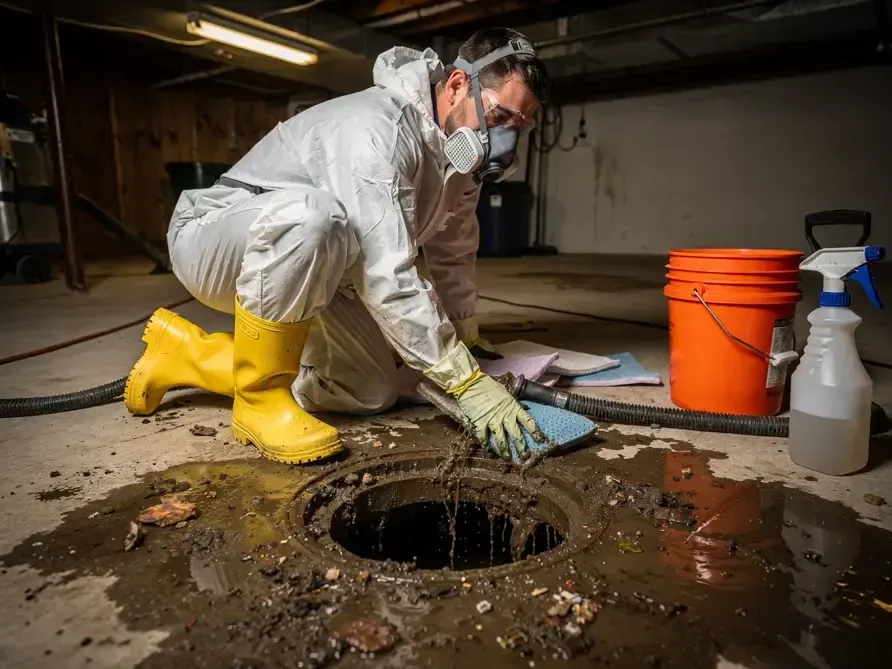
Sewage Backup Cleanup in Glen Rock
Sewage entering a room changes how the whole area must be handled. Glen Rock backup cleanup restricts access, maps wastewater contact and separates contaminated removal from cleaning and drying the structure that remains.
(888) 471-9821Discuss indoor sewage contactHow sewage backup cleanup is handled in Glen Rock
Sewage restoration addresses contaminated water and the materials it contacted indoors. The plan coordinates source correction with controlled removal, appropriate cleaning and moisture assessment before drying equipment treats the suitable retained structure.
First steps for sewage backup cleanup
- 1
Keep occupants away from contact
Restrict the sewage contact area before household cleanup begins. Footwear, pets and moved belongings can transfer wastewater into clean rooms, expanding the surfaces that need treatment.
- 2
Stop contributing fixture use
Continued fixture discharge may worsen the backup. Qualified drainage attention should coordinate with indoor cleanup, with the cause established before assigning the plumbing repair responsibility.
- 3
Protect unaffected storage and routes
Clean belongings need separation from contaminated removal activity. A planned path for waste and equipment helps limit transfer through the property and keeps the scope tied to the original indoor contact area.
- 4
Record damage from a safe position
Photographs from outside the sewage area can document affected rooms and belongings. They preserve the initial condition for explaining later decisions about extraction, material removal and cleaning.
What does sewage backup cleanup cost in Glen Rock, NJ?
Sewage backup cleanup in Glen Rock has planning ranges of $2,000 to $10,000+. Contaminated surface area, porous material removal and access drive costs, with drainage repair and rebuilding separately described in the written scope.
Limited contaminated area
- Defined indoor wastewater boundary
- Accessible controlled removal route
- Localized retained surface treatment
Several contacted rooms
- Contact across rooms
- Affected porous finishes
- Broader treatment area
Extensive backup
- Large contaminated material volume
- Complex waste handling access
- Expanded structure treatment and records
Compare the scope with the water damage cost calculator. The restoration company prices the inspected damage, material access and equipment needs separately from source repairs, replacement finishes and contents work.
The sewage backup cleanup process
- 1
Map contamination and establish controlled access
Inspection identifies wastewater contact across rooms, contents and concealed edges. The access plan separates the affected area from clean circulation while source correction is coordinated with the appropriate trade to prevent renewed discharge during the restoration work.
- 2
Extract sewage and remove unsuitable materials
Bulk wastewater removal proceeds with handling suited to contamination. Porous finishes or belongings that cannot remain suitable are addressed within a documented scope, and the disposal route keeps removed material from contacting unaffected surfaces elsewhere in the building.
- 3
Clean retained structure before equipment drying
After extraction and material removal, suitable retained surfaces receive appropriate treatment. The sequence accounts for corners, floor edges and exposed framing, preparing the area for drying without relying on air movement to solve the contamination problem itself.
- 4
Confirm moisture conditions and the repair boundary
Drying measurements track the retained assembly after cleaning. The completion record identifies removed components, treated surfaces and remaining repairs, giving the owner a practical account of what can be rebuilt once the source and material conditions are ready.
A sewage backup creates a handling problem as well as a wet building. Wastewater can move under room dividers, touch stored items and transfer on footwear after the visible flow stops. Glen Rock restoration establishes a controlled contact boundary so removal and cleaning can proceed without carrying the loss into unaffected rooms.
Separate the source repair from the indoor contact map
A qualified drainage assessment needs to establish why wastewater entered. Cleanup addresses where it went inside the property. Those tasks should be coordinated, but an affected drain or room alone cannot describe every damaged surface. The restoration map follows actual contact, including low edges and stored contents.
For premises along Rock Road, the access plan may need to account for occupied neighboring spaces. Around Main Street or in Ferndale, the actual building arrangement determines how waste leaves the property. The cleanup route should protect dry areas and make the restricted boundary understandable to occupants.
- Wastewater visible beyond the first affected drain
- Porous contents touching contaminated floors or walls
- Tracking through doorways into otherwise dry rooms
- Concealed edges reached before the flow stopped
Material decisions shape the removal work
Contaminated porous finishes may require removal rather than in place drying. Retained hard surfaces need appropriate cleaning after wastewater and debris are extracted. The scope should explain those differences and show how the work reaches corners and edges that a simple surface wash would miss.
The removal path matters just as much as the work area. Bagged or contained waste, equipment movement and household circulation need coordination. Keeping those activities separate helps maintain the original cleanup boundary instead of allowing contaminated handling to become another source of indoor contact during restoration.
Drying begins after the contamination work is addressed
Air movers and dehumidification have a role once suitable surfaces are ready for drying. They do not replace sewage extraction or cleaning. Moisture measurements then focus on retained materials, including exposed framing or floor edges that received wastewater before damaged finishes were removed from the room.
The borough has Ho-Ho-Kus Brook to the east and Diamond Brook to the west, but an indoor sewage backup needs its own cause and contact record. Keeping the event clearly described helps organize drainage work, cleanup and later replacement without confusing outdoor flooding with wastewater released indoors.
- Identify affected rooms before moving contaminated items
- Explain porous material removal in the estimate
- Clean suitable retained surfaces before directed airflow
- Record moisture conditions for the reconstruction handoff
A dry surface is only one part of completion
The owner needs a record of contamination handling as well as drying. Removal notes, photographs and treatment boundaries explain which materials remain and what work was completed before moisture checks ended. That account supports a practical rebuilding plan and keeps the source repair distinct from the indoor restoration. Each stage should leave the next person a clear understanding of the room's condition and remaining responsibilities.
Sewage backup cleanup coverage
Sewage damage assessment covers Glen Rock homes and businesses around Rock Road, Main Street and Ferndale, with the indoor wastewater path establishing the affected work area.
The same service nearby: sewage backup cleanup in Paramus, Fair Lawn, Oradell.
Sewage Backup Cleanup questions
Is sewage cleanup the same as pumping floodwater?
Sewage contact requires controlled contamination handling as well as water removal. The work includes material decisions and cleaning before drying retained structure. A pump alone cannot address the affected porous contents or residues left on indoor surfaces.
Can a household fan help clear the room?
Air movement should wait for contamination assessment and appropriate cleanup. A fan operating over untreated sewage can spread unwanted material. The drying plan comes after removal and cleaning establish suitable conditions for treating the retained wet structure.
Does every sewage incident require removing all belongings?
Each item's contact, material and condition affect the decision. Suitable cleanable surfaces differ from porous items that cannot remain appropriate after contamination. The scope should identify affected belongings and explain handling decisions instead of assuming the entire room is identical.
Who determines the drainage repair responsibility?
The source investigation and property arrangements determine the appropriate repair responsibility. Indoor cleanup should document its own scope while coordinating with the qualified trade. A room containing sewage does not by itself identify the ownership of the failed drainage component.
Can sewage and brook flooding share a cleanup description?
The assessment should identify the actual water source and contact conditions. Indoor sewage discharge and outdoor flooding follow different entry paths. Accurate documentation keeps source correction, material handling and the restoration boundary tied to the event at the property.
What record helps with the rebuilding stage?
Photographs, material removal notes, cleaning scope and moisture results explain the condition left for repairs. That record should distinguish drainage correction from interior cleanup, allowing the owner to coordinate replacement finishes after the retained structure is ready.
Keep the cleanup boundary clear
Documented removal, cleaning and drying connect source correction with the safe restoration of suitable retained building materials.