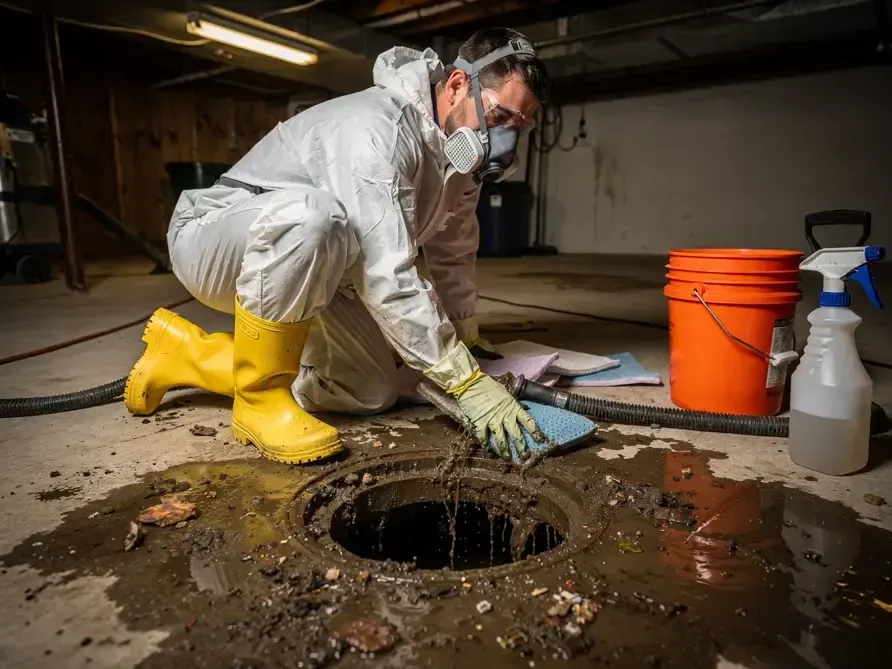
Fair Lawn Sewage Backup Cleanup
Wastewater emerging indoors requires controlled access and a source investigation. Fair Lawn sewage cleanup follows the contacted surfaces, identifies porous material damage and coordinates removal and cleaning before the retained structure is dried.
(888) 471-9821Discuss wastewater containment needsHow sewage backup cleanup is handled in Fair Lawn
Sewage restoration addresses contamination and absorbed water together. The work identifies the affected connection, manages contacted contents and finishes, then cleans retained surfaces and tracks moisture before the room is returned for repair.
First steps for sewage backup cleanup
- 1
Keep occupants outside the contact area
The affected room should be separated from household or business traffic. Shoes, belongings and cleaning equipment should not carry wastewater residue into areas that remained dry and usable.
- 2
Report the fixtures involved
The source assessment needs to know where wastewater emerged and whether other drains changed at the same time. Further fixture use should follow the appropriate plumbing direction.
- 3
Protect the original contact record
Photos taken without entering the loss can show the water mark, affected contents and route into adjoining rooms. That evidence becomes harder to capture once removal changes the space.
- 4
Arrange responsible access coordination
Owners, occupants and building contacts should identify who can authorize entry and material decisions. Shared spaces need coordinated handling so the cleanup route remains controlled throughout the work.
What does sewage backup cleanup cost in Fair Lawn, NJ?
Sewage backup restoration in Fair Lawn has planning ranges of $2,000 to $10,000+. Contacted porous materials, room count, handling access and cleaning requirements determine the scope, with drain diagnosis and repair identified separately from interior recovery.
Limited contaminated area
- Contained wastewater contact
- Controlled liquid removal
- Accessible surface cleaning
Several contacted rooms
- Broader handling route
- Porous material removal
- Multiple cleaned surfaces
Extensive backup
- Expanded contact assessment
- Greater contents handling
- Wider structural drying
Compare the scope with the water damage cost calculator. The restoration company prices the inspected damage, material access and equipment needs separately from source repairs, replacement finishes and contents work.
The sewage backup cleanup process
- 1
Define contact and coordinate source diagnosis
The assessment identifies wastewater entry, involved fixtures and the areas reached inside the property. Access controls are established while the appropriate source investigation proceeds, keeping routine activity away from both the original loss and the handling route.
- 2
Remove liquid and unsuitable porous materials
Extraction and controlled handling reduce the affected material load. Contents and finishes are evaluated for effective cleaning or removal, with the reasons recorded and movement planned to prevent transfer through unaffected rooms or occupied business areas.
- 3
Clean the retained exposed assembly
After debris and unsuitable layers are addressed, retained surfaces receive appropriate treatment. The cleaning sequence includes accessible edges and cavities revealed during removal, preparing a defined footprint for the drying equipment and later material measurements.
- 4
Document the recovered condition and repair needs
Drying readings, cleaning observations and material records describe the condition reached. The handoff distinguishes the completed interior work from source repairs and remaining reconstruction, giving the owner a practical basis for restoring the affected rooms.
A sewage backup is a contact problem as well as a water problem. The visible puddle can be smaller than the area reached by wet belongings, footwear or porous finishes. Fair Lawn cleanup begins by separating the affected space from routine activity and identifying which drain connection or fixture brought wastewater indoors.
Keep the source investigation specific
The Sewer Division operates and maintains the borough sanitary sewer system, including pump stations, manholes and sanitary mains. Sanitary wastewater goes to the Passaic Valley Sewer Commission regional treatment facility in Newark. A building backup still needs diagnosis of the affected connection and communication with the appropriate plumbing or municipal contact.
Hendersonville includes two family Cape Cod style houses. When a backup affects shared occupancy, the responsible contacts should coordinate fixture use and access to affected rooms. The cleanup assessment records where wastewater appeared and whether another occupied space has signs of contact, so the source report describes the actual building conditions.
Define a controlled route through the loss
River Road District contains shops, offices, banks and restaurants. Wastewater inside a business setting needs an access plan that keeps customers and staff away from removal activity. In Memorial Park neighborhood, the same separation applies to household traffic, storage and the path used to move affected contents out of a room.
- Keep children and pets outside contacted spaces.
- Avoid moving wet contents through clean rooms.
- Report every fixture showing unusual drainage behavior.
- Photograph the contact boundary from safe ground.
Porous finishes may absorb wastewater beneath a surface that can be wiped. The assessment determines which materials can be effectively cleaned and which need removal. That decision includes carpet layers, wall bottoms, cabinet bases and stored items where applicable, with handling arranged to limit transfer into unaffected parts of the building.
Cleaning and moisture removal serve different purposes
Extraction reduces accessible liquid but does not complete the contamination work. Retained surfaces require appropriate cleaning after damaged porous materials and debris are handled. Drying then addresses moisture remaining in the exposed assembly, using equipment placed around the cleaned footprint and the materials selected to stay in the building.
Documentation should preserve the source observations, affected material decisions and condition after cleaning. Moisture readings add the drying record. Together they support a clear handoff for repairs and distinguish source correction from restoration, so a cleared drain is not treated as the end of the room's recovery.
Do not confuse street runoff with sanitary wastewater
The borough stormwater system is separate and carries street runoff to waterways. A sanitary backup needs its own diagnosis and contact assessment. If outside rainwater also entered, the scope should identify both routes and coordinate the storm cleanup work with the wastewater handling plan for the affected rooms.
Sewage backup cleanup coverage
Wastewater assessments include Hendersonville, River Road District and Memorial Park, with source coordination and access planned around the fixtures, occupied spaces and materials affected at the property.
The same service nearby: sewage backup cleanup in Paramus, Glen Rock, Maywood.
Sewage Backup Cleanup questions
Is pumping wastewater enough to finish cleanup?
Liquid removal leaves contacted surfaces and absorbed moisture to address. Porous materials require assessment, retained surfaces need appropriate cleaning and the remaining assembly needs drying. Each stage should be described in the scope and completion record.
What does the Sewer Division maintain?
The borough Sewer Division maintains the sanitary system, including pump stations, manholes and sanitary mains. The source investigation for a building backup should identify the affected connection and coordinate with the appropriate contact for that condition.
Can normal fixture use continue during a backup?
Further use can add to an unresolved release. The appropriate plumbing assessment should establish restrictions based on the fixtures involved. Shared occupants need the same instructions so activity elsewhere does not enlarge the affected area.
Why might carpet or wall bottoms need removal?
Wastewater can enter porous layers that cannot be effectively cleaned in place. Material condition and contact determine the decision. Removing unsuitable layers also provides access to the underlying surfaces that need cleaning and moisture assessment.
Can belongings be carried through a clean hallway?
A controlled handling route should be established first. Wet items can transfer residue or liquid during movement. Documentation, separation and appropriate handling preserve unaffected spaces while the condition of each affected item is assessed.
How is the drying result recorded?
Material readings and observations track the retained assembly after cleaning. The completion information should identify areas addressed and repairs still needed, making the moisture outcome distinct from drain service and the earlier contamination handling stages.
Restore access after wastewater cleanup
A written plan separates source diagnosis, material handling, cleaning and the moisture work required before room repairs.