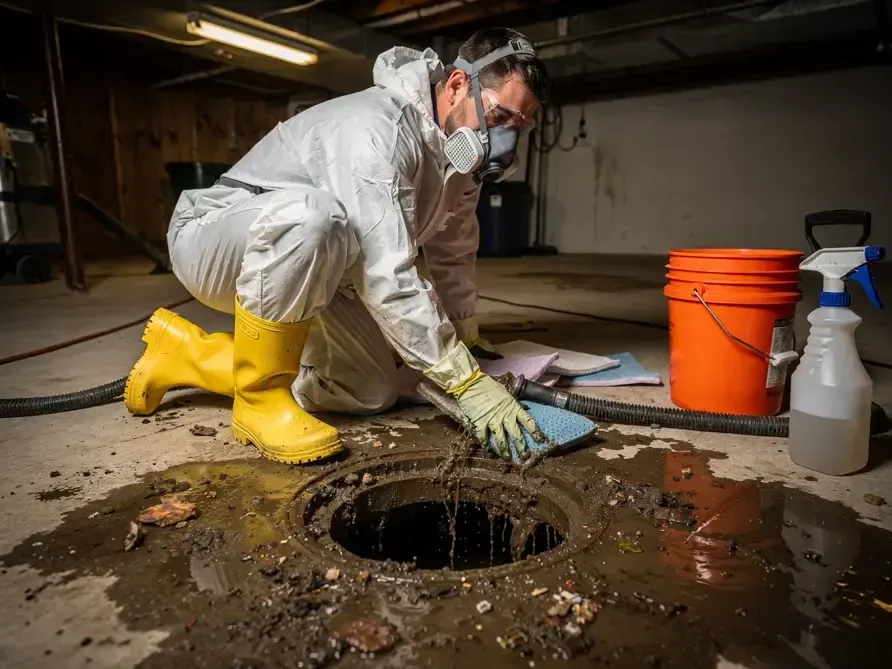
River Edge Sewage Backup Cleanup
Wastewater rising from a drain changes how the entire wet area must be handled. River Edge sewage cleanup starts with access restrictions, source coordination and a clear boundary around contacted materials.
(888) 471-9821Describe wastewater entering the roomsHow sewage backup cleanup is handled in River Edge
Sewage restoration removes wastewater and addresses contaminated surfaces and belongings. The work separates plumbing correction from interior cleanup, with material removal, cleaning and moisture treatment planned around the actual contact area.
First steps for sewage backup cleanup
- 1
Close off the affected space
Keep children, pets and unnecessary traffic away from wastewater. Avoid walking through the spill to retrieve belongings or carrying wet items into rooms that remain clean.
- 2
Coordinate the active drain problem
Describe where wastewater emerged and whether discharge continues. Plumbing diagnosis and source correction should be coordinated with removal so fresh backup does not repeatedly contaminate areas already being cleaned.
- 3
Leave exposed materials contained
Do not drag soaked carpet, boxes or furnishings along the normal household route. An organized removal plan helps prevent residues from spreading through stairs, doorways and adjacent living areas.
- 4
Record contact from a safe location
Photograph the visible wastewater boundary and list affected possessions without entering unsafe conditions. Note any materials moved after discovery so secondary contact areas can be included in the assessment.
What does sewage backup cleanup cost in River Edge, NJ?
Sewage cleanup planning in River Edge ranges from $2,000 to $3,800 for a limited contaminated area, $3,800 to $6,800 for several contacted rooms, and $6,800 to $10,000+ for an extensive backup.
Limited contaminated area
- Defined wastewater footprint
- Localized handling controls
- Accessible surface treatment
Several contacted rooms
- Connected porous finishes
- Expanded removal route
- Multiple cleaning zones
Extensive backup
- Broad contamination spread
- Substantial material handling
- Complex drying access
Compare the scope with the water damage cost calculator. The restoration company prices the inspected damage, material access and equipment needs separately from source repairs, replacement finishes and contents work.
The sewage backup cleanup process
- 1
Establish the contaminated work boundary
The inspection identifies the wastewater source, visible contact and handling routes. Separation measures protect unaffected rooms, while plumbing coordination addresses recurring discharge and helps define when removal and cleaning can make lasting progress within the affected area.
- 2
Remove wastewater and unsuitable porous materials
Accessible sewage is extracted under controlled conditions. Directly affected porous layers and belongings are evaluated for retention or removal, with documentation showing the exposure and condition that support decisions about carpet, wall materials and stored contents.
- 3
Clean exposed supporting surfaces
After necessary removal, accessible retained surfaces are treated for the contamination present. Floor junctions, framing and other contact points receive attention before drying equipment is positioned, keeping surface treatment connected to the overall control of dirty material movement.
- 4
Dry the retained structure and describe remaining work
Moisture readings track the cleaned assembly as equipment operates. The closing record identifies removed finishes, retained materials and belongings decisions, allowing repair and room reuse to proceed from a clearly documented cleanup area and drying endpoint.
When sewage reaches a room, the work boundary needs to account for everything the wastewater contacted. River Edge cleanup separates the contaminated area from usable household space, then plans removal and cleaning around the building's actual materials. A cleared drain and an empty floor are only parts of that sequence.
Keep wastewater treatment and building plumbing distinct
Bergen County Utilities Authority provides wastewater treatment for River Edge. At an affected property, the drain problem still needs to be located and the appropriate repair task identified. Interior cleanup addresses the sewage already present, while plumbing diagnosis determines how the continuing or recurring backup will be corrected.
A North Hackensack home with wastewater at a floor drain needs an assessment of both the release and the surrounding finishes. Restrict nearby plumbing use as directed by the plumbing professional, and describe any fixtures involved. The visible drain opening may be only one part of the incident.
- Keep people and pets outside contacted rooms.
- Avoid tracking residues through unaffected living space.
- Leave contaminated absorbent belongings for organized handling.
- Identify any continued discharge before removal begins.
Decide what can be cleaned and retained
Hard accessible surfaces and porous finishes respond differently to sewage exposure. Carpet backing, insulation and softened wall materials may trap contamination where surface cleaning cannot reach. The scope should explain which layers require removal and which supporting materials can receive appropriate cleaning before drying.
At a Cherry Hill property, the handling route may pass through a stairway or an adjoining room. Protective separation and organized movement help keep dirty materials within the work area. Stored belongings should be evaluated individually instead of being stacked on clean floors during the cleanup.
Make cleaning part of the structural recovery
Extraction removes the liquid, but residues can remain on floor edges, joints and exposed framing. Accessible retained surfaces need treatment before the drying setup is established. This order helps ensure that equipment use supports the contamination controls instead of moving dirty material beyond the original boundary.
For a Kinderkamack Road property, drying measurements should follow the assemblies left after removal. Newly exposed wall bottoms or floor layers may still hold considerable moisture. Where the incident is concentrated below living space, lower-level cleanup addresses the access and storage issues alongside sewage handling.
Give contacted belongings a separate decision path
A room cannot be considered ready for reuse while dirty items are simply moved back inside. Record affected possessions, keep them separate and identify which need disposal or suitable treatment. The building scope and the belongings scope should connect at the final handoff so cleaned surfaces stay protected during the return to normal room use.
Sewage backup cleanup coverage
Wastewater cleanup assessments cover North Hackensack, Cherry Hill and properties along Kinderkamack Road, with controlled access planned around the affected drains, rooms and material handling route.
The same service nearby: sewage backup cleanup in Paramus, Oradell, Maywood.
Sewage Backup Cleanup questions
Who handles wastewater treatment in the borough?
Bergen County Utilities Authority provides wastewater treatment. A backup inside a building still needs a property-specific plumbing diagnosis and repair scope. Interior sewage cleanup deals with the released wastewater and affected materials while that source work is coordinated.
Can sewage-exposed carpet simply be shampooed?
Porous carpet and backing can retain contamination below the visible surface. Their exposure and condition need assessment, and removal may be necessary to reach the supporting floor. Concealed layers need direct attention when selecting materials for retention.
Should household fans be used to reduce odor?
Air movement must fit the contamination-control plan. Uncontrolled fans can move residues beyond the affected area. Keep access restricted and arrange removal and cleaning before placing equipment to dry the materials that will remain in the building.
What if only a floor drain overflowed?
The amount and path of wastewater determine the affected area. Even a localized release can contact porous storage, trim or flooring. The assessment should identify everything touched and check whether continued plumbing use causes another discharge.
Are contaminated belongings part of the building estimate?
The scope should state how belongings are documented, handled and evaluated. Their treatment can differ from structural cleanup. Separating those decisions helps prevent dirty items from returning to cleaned rooms without an appropriate recovery or disposal plan.
When is the room ready for repairs?
Repairs follow source correction, necessary removal, cleaning and suitable drying of retained materials. The handoff should identify the completed work and remaining finish needs so replacement surfaces do not conceal contamination or moisture within the assembly.
Recover the room through controlled cleanup
Removal, cleaning and drying each address a different part of the contaminated building assembly before repairs proceed.