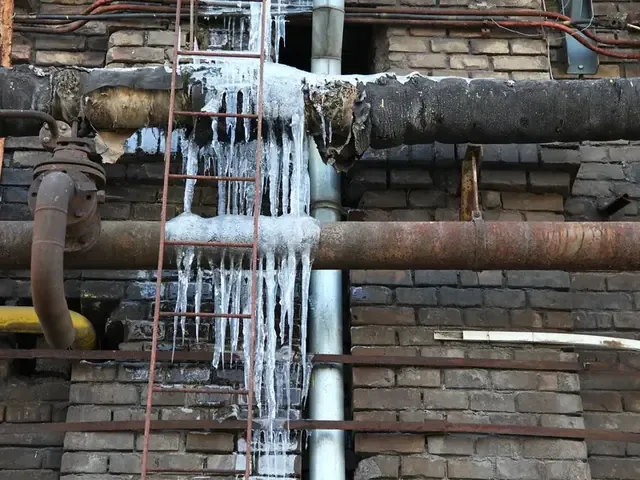
Fair Lawn Frozen Pipe Water Damage
A frozen supply can begin leaking as flow returns. Fair Lawn freeze related cleanup coordinates a controlled plumbing assessment with inspection of the walls, floors and rooms that receive water when the pipe opens.
(888) 471-9821Discuss the thaw and leakHow frozen pipe water damage is handled in Fair Lawn
Frozen pipe restoration addresses damage revealed during or after thawing. Plumbing work evaluates the affected supply, while restoration follows released water into insulation, framing and floor layers, including rooms where the leak becomes visible later than the original pipe problem.
First steps for frozen pipe water damage
- 1
Report the change in water flow
The plumbing contact should know which fixtures changed and whether dripping appeared afterward. Occupants should avoid improvising a thawing method or applying open flame near the affected pipe.
- 2
Locate a safely accessible shutoff
Knowing the valve location helps prepare for a release during thawing. Access should remain from a dry, stable area, without crossing pooled water or disturbing wet electrical equipment.
- 3
Watch adjoining rooms from safe positions
Fresh ceiling marks, wet floor edges or water around the repair area should be reported. These observations help connect the thawing event with the material damage that follows.
- 4
Keep the repair cavity available
Closing the wall should wait until the wet assembly is assessed. The cleanup record identifies retained materials, necessary removal and the drying condition before finish work begins.
What does frozen pipe water damage cost in Fair Lawn, NJ?
Frozen pipe damage cleanup in Fair Lawn is planned at $1,200 to $8,000+. Wet insulation, concealed spread and affected levels shape restoration needs, while thawing, supply repair and any prevention work require separately defined plumbing or building scopes.
Localized thaw leak
- Nearby water removal
- Limited cavity inspection
- Accessible material drying
Wet insulated wall
- Insulation condition decisions
- Selective wall access
- Concealed moisture tracking
Several rooms or levels
- Expanded release footprint
- Connected ceiling inspection
- Multiple drying areas
Compare the scope with the water damage cost calculator. The restoration company prices the inspected damage, material access and equipment needs separately from source repairs, replacement finishes and contents work.
The frozen pipe water damage process
- 1
Coordinate the thaw and source assessment
The plumbing investigation establishes the affected supply and the conditions for controlled thawing or repair. Restoration records any water released during that work and identifies the rooms or cavities requiring inspection as normal flow is reestablished.
- 2
Trace water beyond the exposed pipe
The inspection follows wet insulation, framing and nearby finishes rather than stopping at the repair opening. Material readings and visible changes help define the full footprint, including a room below or another occupied space connected by the assembly.
- 3
Create access for the retained materials
Unsuitable wet layers are identified and removed where necessary, then extraction and drying address the remaining assembly. Equipment placement follows the accessible wet boundary, with attention to insulation pockets or covered edges that can hold moisture beside the repaired supply.
- 4
Record readiness before the cavity closes
Repeated readings and condition observations support the drying handoff. The record distinguishes completed water damage work from remaining insulation, wall and plumbing related repairs, helping the owner coordinate closure only after the relevant materials have been assessed.
A quiet pipe during a freeze can become a water damage source during thawing. A split may begin releasing water when the blockage clears and pressure returns. Fair Lawn cleanup therefore follows the plumbing assessment with an inspection of the surrounding assembly, including any room where fresh dripping or pooling appears.
Keep thawing under controlled conditions
Columbia Heights is near Wagaraw Road and Lincoln Avenue. A property there with reduced flow should report the affected fixtures and the accessible shutoff location to the plumbing professional. Open flame and improvised heating should stay out of the response. The supply needs evaluation before normal use resumes.
Hendersonville includes two family Cape Cod style houses. Where occupants share access to a utility area or connected rooms, the source report should identify who can provide entry. A leak revealed during thawing may affect a different occupied space from the one where the original loss of flow was noticed.
Inspect the cavity after flow returns
Radrock Estates centers on Well Drive and Split Rock Road. For an affected home there, the inspection follows the actual pipe route and the materials around it. Wet insulation, wall finishes and floor edges need assessment even when the repaired pipe itself is exposed and easy to inspect.
- Report reduced flow and any later dripping together.
- Keep improvised heaters away from wet enclosed spaces.
- Identify the room below the suspected pipe route.
- Photograph fresh moisture after the plumbing work begins.
Insulation can retain water beside a repaired supply and obscure the extent of the release. Selective access may be necessary to identify the wet boundary and remove unsuitable material. The cleanup scope should explain that access in terms of the affected assembly, with source repair and drying treated as connected but distinct work.
Address the damage before closing the wall
Once the supply has been checked and the release controlled, accessible liquid is removed. Retained framing and neighboring finishes receive a drying arrangement suited to the openings available. Readings establish whether moisture remains beyond the repaired section, especially where water drained downward or followed a horizontal cavity into another room.
The handoff can identify damaged insulation, finish replacement and other repairs still needed after drying. Any evaluation of freeze prevention belongs with the appropriate building or plumbing professional. The restoration record concentrates on the released water, the materials it affected and the condition achieved before the assembly is covered again.
Restored flow should be followed by a leak check
A working fixture is encouraging, but the affected supply still needs inspection for damage revealed during thawing. New moisture deserves prompt reporting. When the release has crossed several rooms, burst pipe restoration can address the broader wet footprint while the plumbing professional evaluates the repaired supply.
Frozen pipe water damage coverage
Freeze related damage assessments extend to Columbia Heights, Hendersonville and Radrock Estates, following the actual pipe route, accessible shutoffs and building materials affected after water flow returns.
The same service nearby: frozen pipe water damage in Paramus, Glen Rock, Maywood.
Frozen Pipe Water Damage questions
Why can a frozen pipe leak during thawing?
A damaged section may begin releasing water when flow returns. The plumbing assessment should include a leak check, while restoration examines the surrounding materials for water that appeared during or after the thawing process.
Can an occupant use a torch to thaw it?
Open flame should not be used on the affected supply. Appropriate plumbing service determines a controlled approach and checks the pipe condition. Occupants can help by reporting flow changes and identifying a safely accessible shutoff.
Does restored water pressure mean the wall is dry?
Normal flow concerns the plumbing system. Insulation, framing or finishes may already have absorbed a release. Those materials require a separate inspection and drying assessment before the repair cavity is covered or the room is restored.
Why check the room below the pipe?
Released water can drain through the assembly and appear on a lower ceiling or floor. Inspecting that route helps define the complete damage footprint, including areas where moisture becomes visible after the original pipe problem is addressed.
Can wet insulation remain around the repaired supply?
Its condition and effect on drying determine whether retention is appropriate. Water held in insulation can obstruct treatment of the adjacent assembly. The scope should explain any removal and the replacement work still needed afterward.
Does restoration include preventing another freeze?
Water damage cleanup addresses the release and affected materials. Freeze prevention changes require the appropriate plumbing or building assessment. The handoff should keep those recommendations distinct from completed extraction, drying and finish repair needs.
Follow the release after flow returns
A coordinated scope connects plumbing service with the inspection and drying needed before the wall or floor is repaired.