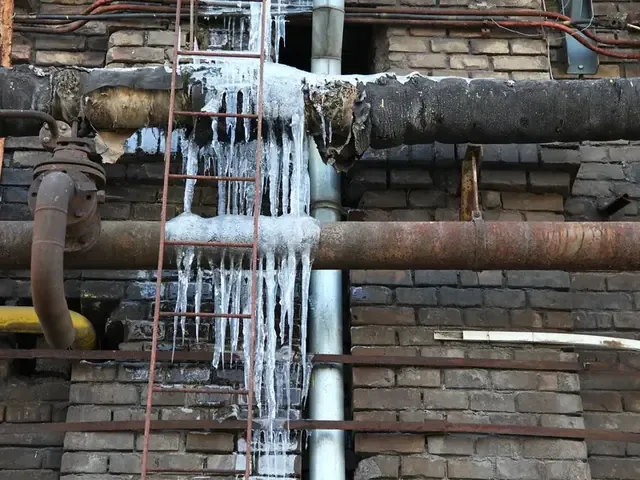
Frozen Pipe Water Damage in Maywood
A frozen section may hide a split until water begins moving again. Reduced flow, a newly wet wall or dripping during thawing calls for safe plumbing assessment and inspection of the surrounding construction.
(888) 471-9821Assess water released during thawingHow frozen pipe water damage is handled in Maywood
Frozen pipe restoration addresses water released from damaged plumbing as flow returns. The work follows safe source control with inspection of wet insulation, framing and connected rooms, then establishes drying access for materials that can remain.
First steps for frozen pipe water damage
- 1
Arrange safe plumbing assessment
Report reduced flow and leakage during thawing. Avoid improvised heating or open flames, and use a shutoff only when it is accessible from safe dry ground.
- 2
Watch connected surfaces from safety
Note fresh stains, dripping below the pipe location and water sounds behind finishes. Do not open unstable ceilings or reach into a wet cavity to investigate the suspected release directly.
- 3
Preserve access after repair
Ask how the surrounding insulation and framing will be inspected before the opening is patched. The source repair may leave a broader wet assembly that requires separate removal and drying decisions.
- 4
Retain the sequence of events
Keep photographs of discovery, flow changes and plumbing work. This history helps distinguish the active release from retained material moisture.
What does frozen pipe water damage cost in Maywood, NJ?
Frozen pipe cleanup in Maywood has planning bands of $1,200 to $8,000+. Wet insulation, concealed spread and damage across levels determine the restoration scope. Plumbing repair and rebuilding should remain distinct from water removal and drying charges.
Localized thaw leak
- Limited released water area
- Accessible pipe surroundings
- Focused retained material checks
Wet insulated wall
- Wet insulation handling
- Additional wall access work
- Targeted exposed framing drying
Several rooms or levels
- Connected vertical water spread
- Multiple damaged finish areas
- Expanded monitoring
Compare the scope with the water damage cost calculator. The restoration company prices the inspected damage, material access and equipment needs separately from source repairs, replacement finishes and contents work.
The frozen pipe water damage process
- 1
Record thaw symptoms and source repair status
The assessment connects reduced flow, observed leakage and the location of the affected plumbing. It identifies whether water is still entering and which rooms require inspection before the restoration plan relies on a controlled source.
- 2
Follow the release through insulated construction
Checks extend from the pipe opening to surrounding wall layers and lower spaces. Insulation condition and access determine what must be removed, while readings identify retained framing or finishes that remain wet beyond the visible repair area.
- 3
Remove released water and establish drying access
Accessible water is extracted and unsuitable layers are handled as the scope requires. Equipment is arranged around exposed retained materials, with attention to concealed pockets that room heating or surface airflow alone would not effectively address.
- 4
Verify materials before insulation and finish replacement
Progress checks return to the original affected locations. The handoff records drying findings and remaining reconstruction needs, allowing replacement insulation and wall or ceiling finishes to follow source repair without concealing moisture still present in the assembly.
A pipe can remain apparently quiet while frozen water blocks a damaged section. When flow returns, the split may release water into an enclosed wall or the room below. Keep the suspected area accessible for inspection and arrange safe source control before assuming that restored fixture flow means the problem has ended.
Distinguish a supply symptom from an indoor release
Maywood customers receive water service from Veolia Water. July 25, 2022: customers were warned of possible low pressure after a water main break. For a present suspected freeze, report the actual indoor symptoms, including which fixtures have reduced flow and whether wet surfaces appeared as conditions changed.
Spring Valley Road, Central Avenue and Passaic Street are main borough roads. At a property on those corridors, the useful inspection details concern the pipe enclosure and rooms below it. Describe whether the affected plumbing is visible, behind a finished wall or beside a utility space.
- Keep open flames away from suspected frozen plumbing.
- Do not reach through water toward electrical equipment.
- Report any new sound of water inside a partition.
- Check accessible lower rooms for fresh ceiling changes.
Inspect insulation around the damaged section
A plumbing repair opening can expose saturated insulation that extends beyond the pipe itself. That material may hold water against framing or obstruct drying of the wall cavity. The restoration scope needs to assess its condition and explain any removal required to reach retained wet construction.
Water escaping inside a wall can descend through floor openings and emerge downstairs. The first visible patch may therefore be far from the failed section within the building. Follow stains and material readings through the connected assembly rather than limiting cleanup to the place where the plumber worked.
Keep the thaw repair and drying sequence coordinated
The plumbing professional determines how to handle the affected pipe and restore safe function. Restoration then addresses released water and damaged materials. Keep access open long enough to inspect the surrounding cavity, and identify which replacement insulation or finish tasks belong after moisture conditions have been checked.
Heating supports suitable room conditions. Moisture readings inside the affected assembly establish how the concealed construction responds to the drying work. Equipment and access need to target the wet layers. Progress measurements should return to the affected locations until the retained assembly is ready for the planned closure work.
Document what happened when flow returned
Record the sequence of reduced flow, visible leakage and source repair as accurately as possible. Photographs of the pipe opening and nearby wet materials help connect plumbing damage with the restoration scope. Keep that record available for any later prevention discussion with the appropriate contractor. The immediate cleanup should remain focused on the water already released and the construction that still holds moisture.
Frozen pipe water damage coverage
Maywood property assessments address suspected freeze related plumbing releases and the resulting wet rooms, with the actual pipe location, source repair status and concealed material access established first.
The same service nearby: frozen pipe water damage in Paramus, River Edge, Fair Lawn.
Frozen Pipe Water Damage questions
Can a pipe leak only after it begins thawing?
A frozen blockage can delay visible water release from a damaged section. Leakage may appear when flow resumes. Report changes in fixture flow and nearby surfaces so the plumbing assessment and restoration inspection can follow the sequence accurately.
Should an open flame be used to thaw the pipe?
No. Leave thawing and damaged pipe assessment to an appropriate professional. Improvised heating can create hazards and obscure a concealed problem. Keep access clear and focus on reporting symptoms and arranging safe source isolation if leakage begins.
Does restored water flow mean there is no split?
Normal fixture flow does not rule out leakage elsewhere in the affected plumbing. Watch for wet surfaces or water sounds from a safe position and report them. The source needs appropriate assessment before an opened cavity is closed again.
Why remove insulation near a repaired pipe?
Wet insulation can hold moisture and obstruct access to framing. Its condition determines whether removal is necessary. The restoration scope should explain how the retained cavity materials will be reached and checked before replacement insulation goes into place.
Can turning up room heat complete the drying?
Room temperature alone does not show the moisture in an enclosed assembly. Retained materials need suitable drying access and measurement. The equipment plan should address the actual wet layers instead of relying on how warm the occupied room feels.
What should remain open after the plumber finishes?
Any access needed to assess and dry the surrounding materials should be coordinated before patching. The exact opening depends on the wet area and construction. Closure follows source repair, material decisions and satisfactory drying checks for what remains.
Dry the construction around the repaired pipe
Retained material checks help determine when the opened wall or ceiling can be closed.