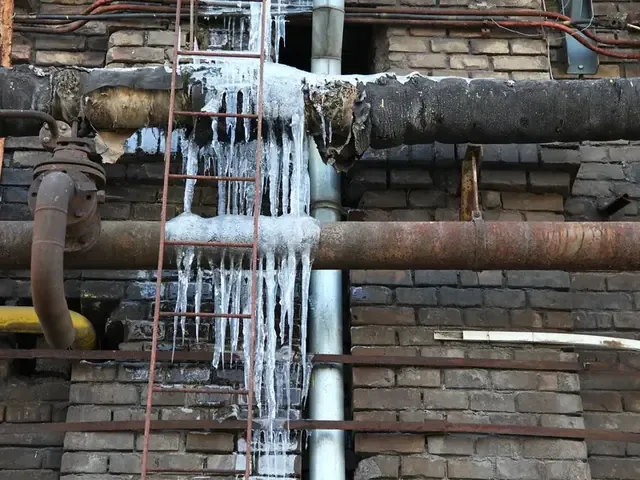
Glen Rock Frozen Pipe Water Damage
A frozen pipe can reveal a split when flow returns. Glen Rock cleanup addresses the resulting release, tracing water into nearby insulation and connected rooms after a qualified plan establishes safe source control and repair access.
(888) 471-9821Discuss water released during the thawHow frozen pipe water damage is handled in Glen Rock
Frozen pipe damage restoration treats the water released from damaged plumbing as thawing progresses. Source isolation and repair need qualified attention, while cleanup follows the escape into wall cavities, floor layers and adjoining finishes that remain wet afterward.
First steps for frozen pipe water damage
- 1
Avoid improvised thawing
Open flames or unsuitable heat sources create additional hazards. Qualified help should establish safe isolation and assessment of the affected pipe before flow is restored through damaged plumbing.
- 2
Observe from safe footing
Fresh dripping or spreading stains can help describe the release as conditions change. Occupants should remain away from hazardous water and uncertain electrical areas while reporting those observations.
- 3
Keep the cavity accessible
The plumbing opening also permits checks of nearby insulation. Coordinating access helps the repair trade and cleanup personnel reach wet material before the assembly receives replacement finishes.
- 4
Note connected room changes
A thaw leak may reach the ceiling below or an adjoining floor. Recording those changes helps the assessment follow water beyond the damaged section and identify further drying needs.
What does frozen pipe water damage cost in Glen Rock, NJ?
Frozen pipe water cleanup in Glen Rock has planning ranges of $1,200 to $8,000+. Wet insulation, concealed spread and affected levels shape the cost, while thawing, plumbing repair and finish replacement need clearly identified responsibility.
Localized thaw leak
- Accessible thaw release
- Nearby moisture boundary
- Focused extraction setup
Wet insulated wall
- Damp insulation needs assessment
- Cavity access requires coordination
- Retained framing receives monitored drying
Several rooms or levels
- Water follows connected assemblies
- Multiple finishes need handling
- Broader drying records
Compare the scope with the water damage cost calculator. The restoration company prices the inspected damage, material access and equipment needs separately from source repairs, replacement finishes and contents work.
The frozen pipe water damage process
- 1
Link changing pipe conditions with source control
Qualified plumbing work establishes isolation and repair of the affected section. Cleanup coordinates around that response, documenting released water and continuing inflow before extraction and material inspection define the interior restoration boundary.
- 2
Trace the thaw release through insulated spaces
Inspection follows visible drips and moisture readings into connected cavities or floor edges. Insulation can hold water beside the repaired pipe, so access decisions need to account for the surrounding assembly instead of ending at the narrow source opening.
- 3
Treat retained materials after necessary removal
Water extraction and handling of unsuitable finishes prepare the space for drying. The equipment plan addresses framing and other retained components, with measurements showing whether enclosed sections are responding or need revised access before the wall or ceiling is closed.
- 4
Document the difference between repair and recovery
The final work account should identify source correction, affected material handling and the drying endpoint. That separation helps the owner coordinate insulation replacement and finish repairs once the retained assembly is ready, with material readings establishing the condition of the affected building.
When a frozen section starts passing water again, a split can become an active interior release. The immediate plumbing response and the building cleanup need coordination from that point. Glen Rock frozen pipe restoration follows the escaping water through insulation, framing and connected finishes rather than ending the assessment when the source fitting is repaired.
Changing flow can change the visible damage
A leak may become apparent during thawing, and the wet boundary can expand while source control is being arranged. Safe observations about dripping or changing stains help describe that progression. Occupants should avoid improvised thawing and stay clear of water where electrical or overhead conditions remain uncertain.
At a home around Ackerman Avenue, the actual pipe location determines which adjoining assemblies need inspection. A ceiling below or a wall corner nearby may show the release after it has traveled through a cavity. The assessment should connect those surfaces back to the water path.
- Fresh water appearing as flow conditions change
- Wet insulation beside the repaired pipe section
- Staining or dripping in a connected lower room
- Floor moisture beyond the first visible source
Insulated spaces need deliberate access
The opening needed for plumbing repair may leave wet material beyond reach. Insulation can retain water against framing or obscure inspection points. Cleanup should identify what needs removal and how the remaining assembly will be measured, giving each access decision a clear reason tied to the damage.
Ferndale properties and homes near Grove Street need that same assessment of the construction present. No assumed pipe material or room layout replaces a look at the affected space. Coordinated access makes the repair opening useful for checking nearby moisture before it is covered by new finishes.
Keep the drying stage connected to reconstruction
Extraction addresses accessible water, while retained framing and floor layers may need controlled drying. The equipment arrangement should reach those components and respond to measured progress. A dry wall face can improve ahead of the cavity, so repeated checking is more useful than a preset closure date.
Replacement insulation and finish work should follow suitable material conditions and completed source correction. The record can show the extent of the release, removed components and final measurements. That gives the next trade a practical account of the space being closed and the work already completed there.
- Identify source work and cleanup responsibilities separately
- Preserve access to damp cavity edges
- Track moisture where the release traveled downward
- Record retained framing before insulation returns
Restored flow and a restored room are separate milestones
The homeowner may first notice that water service works again, but the surrounding building can still hold the earlier release. A clear scope connects the repaired plumbing with material handling and the drying endpoint. That connection matters wherever water reached beyond the opening, including concealed insulation or a lower ceiling. The next repair stage should begin with those areas accounted for and the remaining responsibilities plainly described.
Frozen pipe water damage coverage
Frozen pipe water damage assessment serves Glen Rock properties around Ackerman Avenue, Grove Street and Ferndale, following the actual release location and affected interior materials at each home.
The same service nearby: frozen pipe water damage in Paramus, Fair Lawn, Oradell.
Frozen Pipe Water Damage questions
Why might a leak appear only as the pipe thaws?
A damaged section can begin releasing water when flow returns through it. The plumbing assessment needs to establish the pipe condition and safe source control. Cleanup then follows the actual release into the surrounding building materials.
Should heat be applied directly to a frozen pipe?
Improvised heat or an open flame can create additional hazards. A qualified trade should determine safe handling of the affected plumbing. Occupants can report visible conditions without attempting a method that places them or the building at further risk.
Can wet insulation remain beside a repaired section?
Its condition and accessibility need assessment. Insulation may obstruct drying or remain unsuitable after saturation, requiring removal. The scope should identify that decision and explain how retained framing will be checked before the cavity is closed again.
Does restored water flow mean cleanup is complete?
Restored flow concerns the plumbing system. Water released earlier may still be inside flooring or wall cavities. Those materials need assessment and any necessary extraction, handling and drying before the interior damage can be considered ready for repairs.
Will every wall near the pipe need opening?
Access depends on the observed water path and material condition. Moisture mapping helps define a justified boundary for selective openings. The plan should explain why each proposed area needs inspection or treatment rather than opening nearby surfaces indiscriminately.
What details help explain the loss?
Useful records include the discovery circumstances, visible release location, source repair details and changes in adjoining rooms. Photographs and moisture notes connect those observations with the cleanup scope, provided documentation can be gathered without entering unsafe areas.
Follow the water after plumbing is restored
Source work, cavity access and material readings establish when the assembly can receive insulation and replacement finishes.