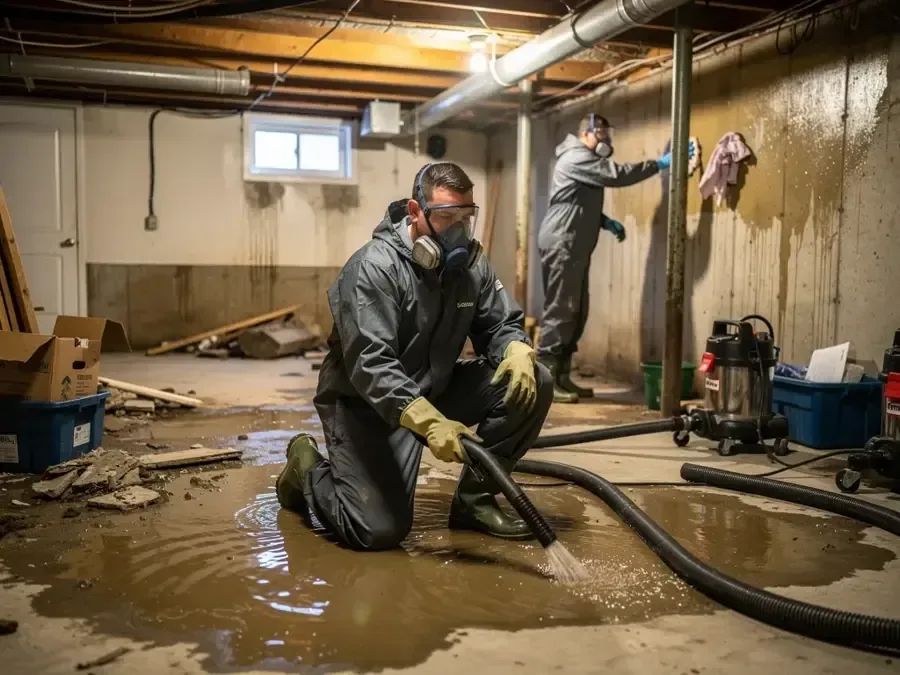
Fair Lawn Storm Flood Cleanup
Outside water brings a different cleanup problem from an indoor supply leak. Storm cleanup starts with safe access, the entry route and the surfaces contacted by incoming water and sediment.
(888) 471-9821Discuss storm entry conditionsHow storm flood cleanup is handled in Fair Lawn
Storm flood restoration follows outside water through the building, including debris, floor layers and wall bases. Removal, cleaning and drying are planned around the actual contact area after the conditions causing entry have stabilized.
First steps for storm flood cleanup
- 1
Wait for safe building access
Occupants should avoid moving through flood water to reach the property or equipment. Structural and electrical conditions need assessment before entry into a visibly affected room.
- 2
Record the entry and residue
From a safe position, photographs can show water marks, sediment and the opening where water arrived. These observations help preserve the original footprint before removal begins.
- 3
Separate affected belongings
Wet items should remain apart from clean storage and routine household traffic. Their condition can be documented before decisions about cleaning, disposal or relocation change the room.
- 4
Describe continuing outside conditions
The first report should include whether water is still entering and whether the exterior opening remains exposed. Extraction planning depends on the current source conditions as well as indoor depth.
What does storm flood cleanup cost in Fair Lawn, NJ?
Storm flood cleanup in Fair Lawn has planning ranges of $2,500 to $12,000+. Water depth, sediment, porous material contact and access determine the scope, with cleaning and removal decisions made before final drying equipment is arranged.
Limited entry area
- Contained outside intrusion
- Localized sediment handling
- Accessible surface cleanup
Several affected rooms
- Broader contact footprint
- Multiple material decisions
- Protected removal route
Deep or extensive flooding
- Greater extraction needs
- Extensive porous damage
- Expanded cleaning stages
Compare the scope with the water damage cost calculator. The restoration company prices the inspected damage, material access and equipment needs separately from source repairs, replacement finishes and contents work.
The storm flood cleanup process
- 1
Assess entry conditions and the contact boundary
The assessment establishes safe access and identifies the indoor footprint of outside water. Sediment, water marks and continuing inflow are recorded so extraction and handling decisions reflect the actual conditions rather than the appearance of a single room.
- 2
Remove water and manage affected materials
Accessible liquid and debris are addressed through a controlled route. Porous items and finishes are evaluated individually, with removal explained where effective cleaning or drying cannot be achieved while the material remains in the assembly.
- 3
Clean retained surfaces before drying placement
Exposed surfaces receive appropriate cleanup after sediment and damaged layers are handled. The remaining material moisture is assessed, and drying equipment is positioned to reach affected edges without spreading untreated debris into other occupied spaces.
- 4
Record recovery and separate future repairs
Measurements and photographs document the condition reached during restoration. The handoff identifies remaining building repairs and source related work, helping the owner distinguish completed interior cleanup from drainage changes or exterior corrections that require separate assessment.
Muddy water at a doorway changes the cleanup sequence. Before fans are placed or furniture is moved through the house, the contact area and conditions outside need assessment. Fair Lawn storm cleanup considers where water entered, what it carried and whether the building can be approached without crossing an electrical or structural hazard.
Understand the drainage setting
The borough has a separate stormwater system that carries street runoff directly to streams and rivers. That water is not processed or filtered before discharge. Inside a building, outside water contact therefore needs its own assessment, including sediment left at floor edges and materials that absorbed the incoming water.
Memorial Park neighborhood borders the Passaic River. Dunkerhook lies on both sides of the Saddle River near Fair Lawn Avenue. A cleanup plan for an affected property follows the observed entry route, water marks and debris inside the structure, with attention to any continuing pressure or flow around the opening.
Keep dirty handling out of dry rooms
Central Fair Lawn lies between Morlot Avenue, Fair Lawn Avenue, River Road and Route 208. When a household there reports outside water, entrance access and the location of dry rooms help organize removal. A protected route keeps extracted liquid, damaged belongings and sediment from crossing areas that escaped the original intrusion.
- Identify the doorway or opening where water appeared.
- Photograph sediment marks before cleaning changes them.
- Keep children and pets outside affected rooms.
- Avoid powering equipment in standing flood water.
Porous materials require careful decisions after outside water contact. A surface wipe may leave contamination or sediment inside a layer. The assessment identifies items that can be cleaned effectively and those requiring removal, then sets a sequence for extracting water, handling debris and exposing surfaces that need treatment.
Dry the cleaned structure
Drying equipment should support the cleanup sequence rather than scatter debris around an untreated room. Once accessible water and affected material handling are addressed, retained surfaces are cleaned and the moisture load is measured. Equipment placement follows the remaining wet footprint, including edges and cavities revealed during selective removal.
The final account should connect the entry evidence with the cleanup work. Photos, material decisions and moisture readings help explain why particular layers were removed or retained. Drainage corrections and building repairs can then be considered separately from the interior restoration, with a clear record of what the cleanup actually accomplished.
Street runoff and sanitary backups are different problems
The Road Division is responsible for storm drains, while the Sewer Division maintains the sanitary system. A property assessment should identify the actual source. If wastewater has emerged from a drain, sewage cleanup addresses that contact pattern and the sanitary source investigation rather than treating it as ordinary rain entry.
Storm flood cleanup coverage
Storm water assessments include Memorial Park, Dunkerhook and Central Fair Lawn, with each building evaluated for its observed entry points, affected materials and safe equipment access.
The same service nearby: storm flood cleanup in Paramus, Glen Rock, Maywood.
Storm Flood Cleanup questions
Is storm water treated like a leaking faucet?
Outside water may carry sediment and contaminants into the building. The assessment considers what contacted each surface and whether it can be cleaned effectively. Material handling and cleaning can therefore take priority before ordinary drying begins.
Does the river setting determine the cleanup scope?
The scope follows the observed entry, water marks, contamination and materials at the property. Local waterways explain the surrounding setting, while the actual indoor conditions determine extraction, removal and drying work for that building.
Should fans run before sediment is removed?
Equipment placement should follow the contamination assessment and cleaning sequence. Air movement across untreated debris can spread it. Accessible water, affected porous layers and retained surfaces are addressed before the final drying arrangement is established.
What does the borough stormwater system carry?
The separate stormwater system carries street runoff to streams and rivers without processing or filtering it first. The Road Division handles storm drains. A sanitary drain backup belongs to a different source investigation and cleanup assessment.
Can wet furniture be moved into a dry bedroom?
Affected belongings should be kept separate from clean areas until their condition is assessed. Moving them through the house can transfer water and residue. Photos and a controlled handling route preserve both the record and unaffected spaces.
When is the building ready for repairs?
Repair planning follows safe access, source control, appropriate cleaning and the drying assessment. The completion record should identify retained materials and remaining replacement needs so finish work does not conceal untreated contact or unresolved moisture.
Recover the rooms beyond the water mark
A documented plan connects removal, cleaning and drying with the repair decisions that follow the storm loss.