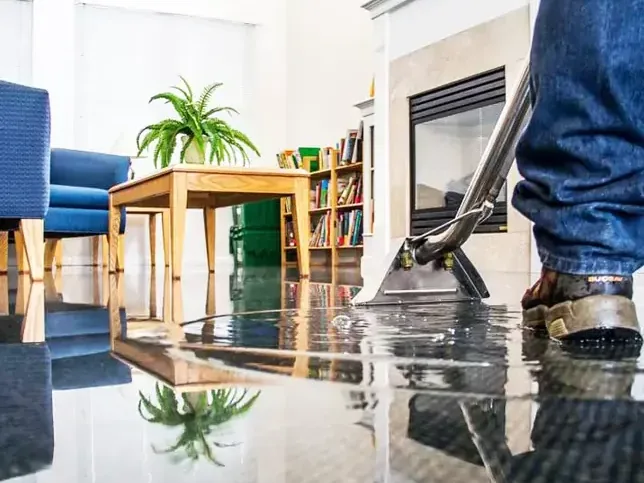
Fair Lawn Water Extraction
Standing water can hide the edges of a much larger wet area. Fair Lawn extraction starts with safe entry, a workable removal route and attention to the materials beneath the puddle.
(888) 471-9821Discuss the pooling patternHow water extraction is handled in Fair Lawn
Water extraction removes liquid from accessible floors, carpet and affected rooms. The work also identifies soaked layers that need further attention, so an empty room does not conceal a still wet assembly.
First steps for water extraction
- 1
Keep the approach dry
Occupants should remain outside standing water near outlets, appliances or electrical equipment. A safe path from the entrance gives the assessment a practical starting point.
- 2
Describe the first wet area
The caller can identify the room where pooling appeared, whether the source stopped and which connected rooms now feel wet underfoot or show damp edges.
- 3
Protect accessible belongings
Items in a dry area can be moved away from the wet boundary when handling is safe. Heavy furniture should stay put until access is assessed.
- 4
Preserve the removal record
Photographs taken from a safe position can show the original depth and spread. Damaged items should be documented before disposal decisions change the visible scene.
What does water extraction cost in Fair Lawn, NJ?
Fair Lawn water extraction planning ranges from $600 to $4,500+, depending on accessible water, affected surfaces and contamination. The written scope separates initial liquid removal from concealed material work and subsequent drying equipment.
Surface pooling
- Accessible hard floor
- Limited wet boundary
- Initial surface extraction
Saturated rooms
- Absorbent floor checks
- Connected room assessment
- Additional extraction passes
Deep or dirty water
- Controlled removal route
- Contamination handling needs
- More extensive equipment
Compare the scope with the water damage cost calculator. The restoration company prices the inspected damage, material access and equipment needs separately from source repairs, replacement finishes and contents work.
The water extraction process
- 1
Establish an accessible work area
The assessment identifies the water source, entry hazards and a route for equipment. Wet and dry zones are separated so hoses and removed items do not spread the loss into an otherwise usable room.
- 2
Match extraction to the surface
Liquid is removed with equipment appropriate to the floor and depth. Technicians work through accessible sections and revisit edges where water collects, documenting conditions that prevent complete removal from a concealed or layered assembly.
- 3
Locate moisture beneath the finish
The inspection continues at thresholds, carpet padding and wall bottoms after pooling clears. Measurements help determine whether an apparently dry surface needs lifting, selective opening or a separate drying arrangement to reach absorbed water.
- 4
Track the remaining drying work
Equipment placement and moisture readings form a record of progress. A final assessment compares affected materials with suitable dry references and identifies any repair work that remains after the extraction and drying stages are complete.
A puddle blocks more than a walkway. It can obscure a loose floor edge, a submerged cord or a route into another room. In Fair Lawn, the first extraction decision is how to reach the water safely. The next is where the liquid can be removed without carrying it across unaffected finishes.
Plan the route before moving equipment
Berdan Grove contains single family homes, while River Road permits apartments above businesses. Those settings call for different access conversations. A ground floor room may have a straightforward equipment path. An upstairs apartment may require protected stairs, a coordinated entrance and inspection of the ceiling underneath the release.
Warren Point is a residential area near Broadway District. For a home there, the caller can describe the room, the nearest dry entrance and whether water is still arriving. That information helps determine the initial setup. Actual depth, contamination and electrical conditions are assessed before extraction equipment enters the affected space.
- Keep extension cords away from pooled water.
- Identify a dry entrance for equipment movement.
- Separate wet belongings from unaffected storage areas.
- Record where water first crossed a doorway.
Remove the liquid and inspect its footprint
Extraction equipment is selected for the surface and amount of water present. A hard floor, carpeted room and confined recess each require a different approach. Repeated passes can remove accessible liquid from absorbent flooring, but the inspection also follows seams, thresholds and the underside of materials where access allows.
A floor that looks clear can still hold moisture beneath a finish. Carpet padding, underlayment and wall bases are checked separately. Materials that cannot be effectively cleaned or dried are identified before equipment is arranged. The homeowner receives a room level explanation of what can remain and what needs further access.
Move from removal to controlled drying
Air movement and dehumidification address moisture left after extraction. Their placement follows the wet footprint rather than the shape of the largest puddle. Measurements at selected locations establish a starting point, and later readings show whether moisture is moving out of the affected materials or remaining trapped behind a surface.
The work record should distinguish liquid removal from material drying. It can include photographs of pooled areas, the condition of floor edges and the equipment used. Those details make the next repair decision easier, especially when a clean looking surface covers a damaged layer that requires separate treatment or replacement.
Fresh pooling deserves another source check
Water that reappears after an extraction pass may be entering from an active leak, draining from a concealed pocket or crossing from an adjacent space. The source should be investigated before the room is treated as ready for drying. The town service overview helps connect removal with the appropriate follow on work.
Water extraction coverage
Extraction planning covers single family properties in Berdan Grove, mixed occupancy buildings in River Road District and homes in Warren Point, with access assessed individually.
The same service nearby: water extraction in Paramus, Glen Rock, Maywood.
Water Extraction questions
Does an empty floor mean extraction is finished?
Visible pooling is only part of the loss. Absorbent flooring and concealed edges may still release liquid during additional passes. Material measurements help establish what remains and whether the next stage should focus on drying.
Can equipment reach an upstairs apartment?
Access is planned around entrances, stairways and the occupied spaces below. Apartments above River Road businesses may need coordination with another occupant so the removal route stays usable and the downstairs ceiling can be checked.
Should a household vacuum remove the water?
An ordinary household vacuum should stay away from liquid. The correct removal equipment depends on the water conditions and surface. Electrical safety and contamination are considered before any powered device enters the affected room.
What happens to wet carpet padding?
Padding is assessed for its condition, the water that contacted it and whether effective cleaning and drying are possible. Removing surface water from carpet does not automatically resolve moisture held underneath or against the floor.
Why check a room beyond the puddle?
Water can travel through floor joints and beneath a threshold before it becomes visible. Checking adjoining edges helps define the full footprint and avoids leaving a concealed wet section outside the equipment arrangement.
Can photographs help with the cleanup scope?
Photos can show the initial pooling and how the water crossed the room. They complement material readings and written observations, creating a clearer account of why extraction, opening or additional drying was included.
Clear the path to a drier room
An assessment can connect visible pooling with the concealed moisture that needs attention after extraction.