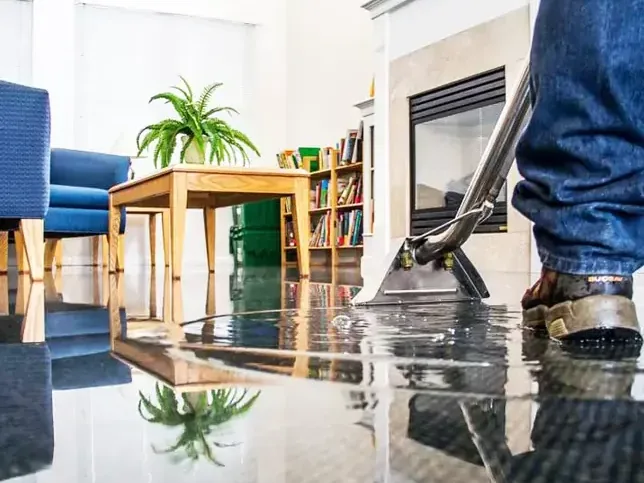
Water Extraction in Glen Rock
A pump can empty the visible pool while flooring remains soaked. Water extraction in Glen Rock addresses the standing water first, then follows what remains in room edges and absorbent surfaces.
(888) 471-9821Discuss pooled floor waterHow water extraction is handled in Glen Rock
Extraction removes bulk water with equipment suited to the depth and floor surface. The work also exposes saturated edges, helping establish where material removal or further drying must follow before repairs begin.
First steps for water extraction
- 1
Keep feet outside the pool
Water covering a floor can hide electrical hazards, sharp objects and changes in footing. Entry waits until conditions support a safe route for personnel and equipment.
- 2
Identify ongoing inflow
A shutoff or source repair may be needed before removal can keep pace. The property owner can describe changes in water level from a safe position.
- 3
Show the connected surfaces
The assessment needs the full wet boundary, including adjoining closets and thresholds. A visible puddle can understate how far moisture has entered absorbent flooring or wall bases.
- 4
Protect an equipment path
Access arrangements keep extraction hoses and removed contents away from clean rooms where practical. Household traffic should remain separate from wet work and disposal activities throughout removal.
What does water extraction cost in Glen Rock, NJ?
Glen Rock extraction planning ranges extend from $600 to $4,500+. Water depth, debris, affected floor area and equipment access shape the charge, while concealed material drying may require a separately described part of the scope.
Surface pooling
- Shallow accessible floor water
- Limited obstruction around equipment
- Visible room edges checked
Saturated rooms
- Absorbent flooring holding water
- Connected spaces need extraction
- Wet underlayers require assessment
Deep or dirty water
- Greater pumping and handling
- Debris affects removal methods
- Contaminated surfaces need separation
Compare the scope with the water damage cost calculator. The restoration company prices the inspected damage, material access and equipment needs separately from source repairs, replacement finishes and contents work.
The water extraction process
- 1
Choose removal equipment for the conditions
The assessment considers depth, water condition and available access before selecting pumps or extraction tools. The aim is controlled removal that reaches the pool without spreading dirty water through unaffected parts of the property.
- 2
Work across the actual collection areas
Water can collect under furnishings and at low floor edges. Extraction follows those locations, with repeated passes where suitable materials continue releasing water instead of assuming the first visible reduction completes the job.
- 3
Determine what the remaining dampness means
After bulk removal, moisture measurements and inspection distinguish wet surface material from a concealed assembly problem. Carpet backing, floor seams and wall bases may need additional access before a useful drying plan can begin.
- 4
Hand the space into measured drying
The work record identifies removed water, affected materials and remaining wet zones. Drying equipment can then address evaporation and humidity, with later readings establishing whether the retained assembly is progressing toward the required condition.
The shape of a puddle rarely describes the whole water loss. A room may hold a shallow sheet across hard flooring while a nearby rug contains much more moisture. In Glen Rock, an extraction assessment separates those conditions so equipment and handling match the water that actually needs removal.
Depth sets the first removal decision
A deep collection may require pumping before a floor tool can work effectively. Shallow pooling needs attention to seams, low spots and obstacles. The equipment path matters too, because dragging wet hoses or saturated contents through dry rooms creates avoidable cleanup beyond the original loss.
Ferndale properties should be assessed by the affected room arrangement, including closets and adjoining floor surfaces. A clear account of the source helps distinguish a plumbing release from outdoor entry. Water condition then influences how contacted materials are separated, cleaned or removed during the work.
- Depth and whether the level keeps changing
- Debris that may obstruct removal equipment
- Floor coverings holding water beyond the pool
- Safe access around furnishings and electrical equipment
Outdoor entry adds handling requirements
On September 24, 2026, the borough reported recent rain had flooded areas that had not flooded before. When outside water reaches an interior, its path and contacted surfaces become part of the assessment. Extracting it is only part of addressing the resulting damage.
Ho-Ho-Kus Brook runs along the eastern side of the borough, while Diamond Brook flows through its western part. For a particular room, inspection focuses on the entry opening and actual water track. Those details help establish the cleaning boundary after the standing water is gone.
The exposed floor needs another look
Once a tool stops drawing visible water, absorbent layers may still release moisture. Carpet backing, trim joints and the underside of a floor covering can remain wet. Readings and direct inspection identify the next access point instead of relying on a dry looking top surface.
A property around Rock Road may have furniture or stored belongings blocking these edges. Moving suitable items in a controlled sequence makes the boundary easier to examine. Materials affected by dirty water need appropriate handling before air movement becomes part of the drying strategy.
- Inspect thresholds connecting wet and dry rooms
- Check beneath removable floor coverings
- Record wet edges before opening affected finishes
- Separate extraction completion from the drying endpoint
A clear floor is a useful starting point
The most useful handoff after extraction explains what remains wet. A room map, photographs and material readings show whether moisture is limited to an accessible surface or has entered a layered assembly. That record also helps the owner understand why equipment may remain after the pool disappears. Removal and drying solve different parts of the loss, and each needs an observable endpoint before finish repairs conceal the area again.
Water extraction coverage
Service assessment covers Glen Rock properties in Ferndale and around Rock Road, with access and the actual affected rooms determining the removal arrangement for each location.
The same service nearby: water extraction in Paramus, Fair Lawn, Oradell.
Water Extraction questions
Does extraction finish the restoration work?
It removes bulk water, which is an early step. Absorbent flooring and enclosed wall edges may remain wet afterward. Their condition determines whether cleaning, selective removal and a measured drying stage need to follow.
Can household equipment handle a deep pool?
Depth, contamination and electrical conditions determine safe access and suitable equipment. A household device should never require someone to stand in unsafe water. The assessment establishes a removal method appropriate to the flooded area.
Why check a closet beyond the puddle?
Flooring and wall bases can carry moisture across a doorway even where no standing water is visible. Checking connected spaces helps prevent a small remaining wet zone from being sealed behind finishes after the larger room clears.
What if water returns during extraction?
Returning water suggests the source or entry route still needs attention. Removal may support immediate control, but the plan should also address inflow. Observations about when the level rises help organize that source investigation.
Are rugs treated like hard flooring?
A rug can retain water in its fibers and backing, while the floor beneath may also be wet. Water condition and material suitability influence cleaning or removal decisions before drying can address retained surfaces effectively.
Does the September flooding notice matter indoors?
It provides context when outdoor water has entered a property. The inspection still traces the actual route and contacted surfaces. That information determines handling and cleaning needs before extraction moves into drying the room.
Move beyond the visible pool
Bulk removal opens the way to checking hidden dampness and planning the next drying stage for the room.