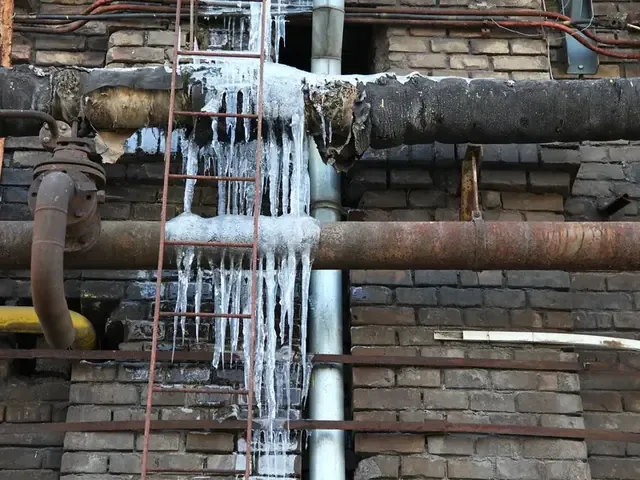
Frozen Pipe Water Damage in Oradell
A frozen section may not reveal its damage until water begins moving again. Cleanup follows the leak that appears during thawing, checking nearby insulation, walls and floors after safe supply isolation and plumbing assessment.
(888) 471-9821Assess damage after the thawHow frozen pipe water damage is handled in Oradell
Frozen pipe restoration addresses water released from damaged plumbing as flow returns. The work coordinates with pipe repair and examines adjacent building layers, including insulated cavities where a small visible leak can leave a larger concealed wet area.
First steps for frozen pipe water damage
- 1
Leave thawing to safe methods
Avoid flames or improvised heating. Explain the suspected frozen section to a qualified plumber so source assessment can proceed without adding hazards to the wet area.
- 2
Isolate an accessible supply safely
Use a known shutoff only from dry ground. If water or electrical concerns block access, seek qualified help instead of entering the affected space.
- 3
Note the thaw and leak sequence
Describe when flow changed and where dripping or dampness appeared. Include rooms below the pipe area so the assessment can follow released water through connected cavities and floor layers.
- 4
Keep affected finishes available
Delay patching the access opening until surrounding materials are assessed. Photographs of the exposed pipe and cavity can help connect the plumbing repair with the cleanup and drying scope.
What does frozen pipe water damage cost in Oradell, NJ?
Frozen pipe damage cleanup in Oradell has planning ranges of $1,200 to $2,700 for a localized thaw leak, $2,700 to $5,200 for a wet insulated wall, and $5,200 to $8,000+ across several rooms or levels.
Localized thaw leak
- Accessible release area
- Limited adjacent finish damage
- Focused moisture inspection
Wet insulated wall
- Insulation and cavity access
- Damaged material handling
- Retained framing drying checks
Several rooms or levels
- Water through connected assemblies
- Expanded extraction and openings
- Multiple monitored material areas
Compare the scope with the water damage cost calculator. The restoration company prices the inspected damage, material access and equipment needs separately from source repairs, replacement finishes and contents work.
The frozen pipe water damage process
- 1
Connect thaw observations with source work
The inspection records the reported change in flow and the plumbing repair status. Visible water and moisture readings identify where the release traveled, while electrical or access concerns set the initial limits for entering the affected area.
- 2
Expose wet material around the pipe
Necessary access is coordinated with the plumber so the repair remains reachable. Insulation, backing and surrounding finishes are assessed for damage and drying potential, with removal focused on materials or barriers that prevent appropriate inspection and cleanup.
- 3
Follow moisture into connected assemblies
Extraction and drying extend into affected floors, ceilings and adjacent cavities. Measurements track those areas separately, allowing equipment placement and access to change when the repaired pipe location dries faster than material farther along the water route.
- 4
Close the project around documented conditions
The handoff identifies the source repair, removed materials and final readings in retained layers. It also lists outstanding finish work and access needs, giving the owner a clear distinction between restored plumbing service and completed water damage restoration.
The first dripping sound during a thaw can come from inside a wall rather than beside an exposed pipe. Once water escapes, the cleanup task is to find the materials it reached. An Oradell property assessment connects the plumbing findings with moisture in nearby cavities and the rooms below or beside them.
Give the thaw sequence to the plumbing professional
Describe when flow changed, when dripping began and whether the water supply has been isolated. These observations help coordinate source work without requiring an owner to open a wall or heat a pipe. Unsafe thawing methods can add damage before the concealed release is understood.
Delford, Maple Avenue and Kinderkamack Road help identify the property area for access planning. Inside the building, the important details are the pipe location, the surrounding finish and any space beneath it. A dry entrance to the affected level helps the assessment proceed safely.
- Record the first sign of returning water flow.
- Keep wet electrical equipment out of reach.
- Avoid flames or improvised pipe heating.
- Describe damp rooms connected to the pipe area.
Inspect insulation after the source is controlled
A cavity that contains plumbing may also contain insulation that absorbs or traps released water. The outside finish can show a small stain while the concealed layer remains substantially wet. Targeted access is chosen to reach that material and assess the adjacent framing or backing.
The borough's 2016 housing estimate included homes from the 1950 to 1959 construction period and earlier eras. At each property, inspection establishes the actual pipe access and wall assembly. Later alterations, finishes and repaired sections all affect the route needed to assess retained moisture.
Track the leak beyond the thawed section
Water can descend inside a wall and collect at a floor edge or ceiling below. Measurements should follow that route beyond the repaired fitting. A plumbing repair that restores flow may leave several connected layers needing extraction, removal or controlled drying before reconstruction can begin.
If the release has reached an overhead cavity, ceiling leak cleanup can address unstable finishes and the room below. The project record should connect those secondary areas to the original source so the cleanup boundary reflects the full water path through the building.
- Check the floor beneath the pipe cavity.
- Assess wet insulation before closing the wall.
- Document damage below the original leak location.
- Keep repair status with the moisture readings.
Restored flow needs a second kind of check
When the plumbing professional restores service, the restoration assessment still needs to establish what the release wet. The owner should know which cavities were opened, whether any insulation was removed and where material measurements remain elevated. A repaired pipe and a dry building are separate milestones. Coordinating access before finishes are replaced allows both tasks to be completed without repeatedly reopening the same wall. The drying plan can then respond to the actual retained moisture instead of ending when water flows normally again.
Frozen pipe water damage coverage
Oradell properties near Delford and Maple Avenue can describe the thawing pipe location and nearby wet surfaces. Assessment arrangements depend on safe access and the current supply status.
The same service nearby: frozen pipe water damage in Paramus, River Edge, Maywood.
Frozen Pipe Water Damage questions
Can a frozen pipe leak only after thawing?
A damaged section may release water as flow returns. The owner should report that sequence and seek safe supply control. Cleanup then follows the escaped water into surrounding materials after the source has been assessed by a plumbing professional.
Should heat be applied to a concealed pipe?
Avoid improvised heating or flames, especially around concealed building materials and wet electrical components. A qualified professional should assess the pipe and safe source response. Restoration work can then address the water already released into the building.
Why inspect insulation near the repaired pipe?
Insulation can retain water and restrict access to the surrounding assembly. Its condition affects whether removal is needed for cleaning and drying. Checking it helps prevent a completed plumbing repair from being closed behind a still-wet wall finish.
Does the construction year identify the pipe problem?
The actual plumbing and wall construction need inspection. Alterations and repairs can change an older home's assembly. The cleanup plan should follow the exposed source and measured damage instead of assigning a pipe type from the building's age.
Can a room below need cleanup without a puddle?
Water may enter a ceiling or wall cavity before it appears on the room surface. Readings below the source help locate that concealed spread. Any unstable overhead finish also needs assessment before the space underneath is used.
When can the pipe access opening be patched?
Source repair and the surrounding material condition both need to support closure. The drying record should identify retained layers and any remaining wet area. Patching follows those findings so unfinished moisture is not concealed behind replacement finishes.
Assess what the returning water reached
Coordinate plumbing repair and building moisture checks for the affected Oradell property before finish closure.