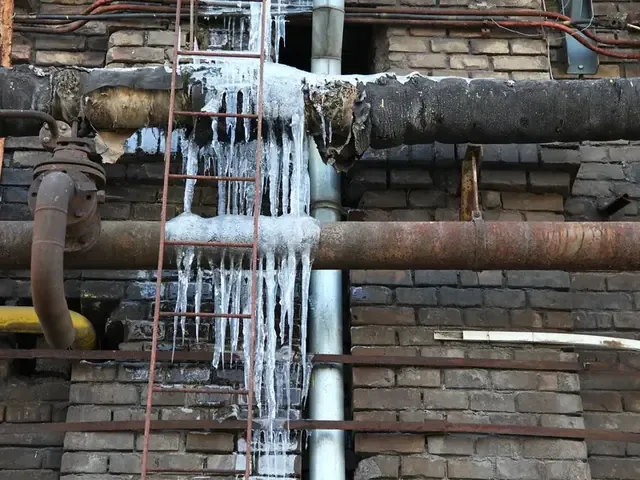
River Edge Frozen Pipe Damage Cleanup
A frozen section can begin leaking when flow returns. River Edge frozen pipe cleanup checks the release discovered during thawing and traces water through nearby insulation, wall cavities and lower building surfaces.
(888) 471-9821Describe water appearing during thawingHow frozen pipe water damage is handled in River Edge
Frozen pipe restoration addresses water damage after a cold-affected plumbing section releases water. The plumbing condition needs safe correction while the surrounding finishes, insulation and framing are assessed for moisture that may have spread during thawing.
First steps for frozen pipe water damage
- 1
Arrange safe plumbing attention
Avoid flame or improvised heating around suspected frozen piping. Arrange plumbing diagnosis and control, with damage assessment coordinated around safe access to the pipe and nearby finishes.
- 2
Watch accessible surfaces during thawing
From a dry position, note new drips or dampness as conditions change. Mention the room below the piping if staining appears there, since water may follow a concealed path before becoming visible.
- 3
Limit a reachable release safely
An accessible supply shutoff may reduce further spread, but no one should cross pooled water or reach past wet electrical equipment. Describe any access obstacle when arranging source attention.
- 4
Keep the repair opening documented
Save photographs and plumbing findings before cavity closure. Those records connect wet insulation, framing and finishes with the repaired section and remaining drying needs.
What does frozen pipe water damage cost in River Edge, NJ?
River Edge frozen pipe cleanup planning ranges from $1,200 to $2,700 for a localized thaw leak, $2,700 to $5,200 for a wet insulated wall, and $5,200 to $8,000+ for several rooms or levels.
Localized thaw leak
- Defined release area
- Accessible pipe surroundings
- Limited material treatment
Wet insulated wall
- Saturated insulation decisions
- Concealed framing access
- Cavity moisture tracking
Several rooms or levels
- Connected vertical spread
- Multiple finish assemblies
- Expanded drying layout
Compare the scope with the water damage cost calculator. The restoration company prices the inspected damage, material access and equipment needs separately from source repairs, replacement finishes and contents work.
The frozen pipe water damage process
- 1
Connect the thaw event with the wet route
The assessment records the sequence of changed flow, visible leakage and source control. Inspection then follows the released water around the pipe and into connected rooms, establishing which materials need cleanup independently of the plumbing repair itself.
- 2
Open damaged or moisture-blocking layers selectively
Wet insulation and compromised finishes are assessed for removal where they prevent useful inspection or drying. The scope explains access around the repaired section and checks beyond that opening for moisture that traveled through the adjoining assembly.
- 3
Dry the framing and finishes that remain
Equipment placement addresses exposed surfaces and accessible cavities while dehumidification removes released moisture. Measurements compare progress at the original pipe area and the farther wet edges, helping identify trapped layers or source issues that require another look.
- 4
Coordinate enclosure repairs with closing conditions
The final record states which retained materials reached the needed condition and which layers were removed. Replacement insulation and finishes can then be planned without closing off unresolved moisture, while the plumbing correction remains clearly documented as the source-control task.
The first visible leak can arrive after a frozen plumbing section begins to thaw. River Edge cleanup focuses on that water release and the materials it reached, while plumbing work addresses the damaged section. A return of fixture flow should be followed by attention to new drips, damp wall edges or water appearing below the pipe location.
Separate thawing from safe source correction
A suspected frozen pipe needs appropriate plumbing attention. Improvised heating or disturbing a damaged section can create additional hazards and release water into a concealed space. The restoration assessment needs to know when the leak appeared, whether supply has been controlled and which rooms changed during the thaw.
At a home near River Edge Road, the affected piping may sit in an accessible area or behind finished materials. That location determines the initial inspection route. The cleanup scope should describe the actual pipe surroundings rather than assuming a particular construction type or pipe material.
- Watch for new moisture after flow begins returning.
- Keep clear of wet electrical components near piping.
- Record the first affected wall or floor surface.
- Coordinate source control before closing opened finishes.
Check insulation that can hold the release
Insulation around a leaking pipe cavity can absorb or trap water while the exposed floor shows little accumulation. Its condition and accessibility influence whether removal is needed. Framing behind the insulation may require drying even after damaged soft materials have been taken away.
For a Cherry Hill property, a ceiling below the affected pipe may show the release before the wall beside it does. Checking connected levels helps locate the full wet route. Water can follow openings around plumbing and framing, producing separated visible marks that belong to the same incident.
Dry the opened area before rebuilding the enclosure
Repairing the pipe restores source control, but a newly enclosed wall can trap moisture if drying is incomplete. The restoration plan should retain useful access until measurements show the condition of the materials left in place. That includes edges beyond the immediate plumbing repair opening.
At a Continental Avenue home, stored items or fixed finishes may conceal those outer edges. The assessment should identify practical access and document removal choices. If the release was forceful or spread broadly, burst pipe restoration addresses the wider water path alongside the thaw-related source details.
Keep the thaw timeline with the cleanup notes
Describe when fixture flow changed, when water first appeared indoors and when the supply was stopped. The sequence helps connect plumbing findings with the wet material map. Preserve photographs of exposed cavities before they are closed so the final repair record shows what was dried and what insulation or finishes still needed replacement.
Frozen pipe water damage coverage
Thaw-related cleanup assessments serve homes near River Edge Road, Cherry Hill and Continental Avenue, with inspection focused on the affected pipe location and connected indoor assemblies.
The same service nearby: frozen pipe water damage in Paramus, Oradell, Maywood.
Frozen Pipe Water Damage questions
Can a pipe leak only after it begins thawing?
A damaged section may release water as ice clears and flow returns. Watch accessible surrounding surfaces for new moisture and arrange appropriate plumbing attention. The cleanup assessment should follow any resulting water through nearby cavities and lower rooms.
Should heat be applied directly to the pipe?
Improvised heating can create hazards and should not replace proper plumbing assessment. Avoid flame and unsafe electrical equipment near damp materials. The damaged section needs controlled attention while the building is checked for water already released during thawing.
Why is insulation part of the cleanup scope?
Insulation can hold moisture around framing and obstruct drying access. Its type, condition and exposure affect retention decisions. The scope should explain whether removal is needed to reach wet supporting materials before the cavity can be restored.
Does normal fixture flow mean the problem is resolved?
New leakage after flow returns needs plumbing attention. Nearby cavities and finishes also need inspection for released water. The cleanup assessment follows damp material changes even when the affected fixture has resumed normal operation.
Can the plumber's opening be closed immediately?
Closure should be coordinated with the moisture assessment. The repaired pipe may be ready while surrounding framing or insulation remains wet. Keeping necessary access available allows drying and documentation before replacement finishes conceal the affected area.
What if damage appears on another level?
Water may travel through openings around plumbing or along framing before emerging below. Describe the location and timing of each visible change so the inspection can connect the marks and assess the full release path.
Restore the cavity after the pipe is corrected
Measured drying prepares wet framing and surrounding finishes for insulation and enclosure repairs after source control.