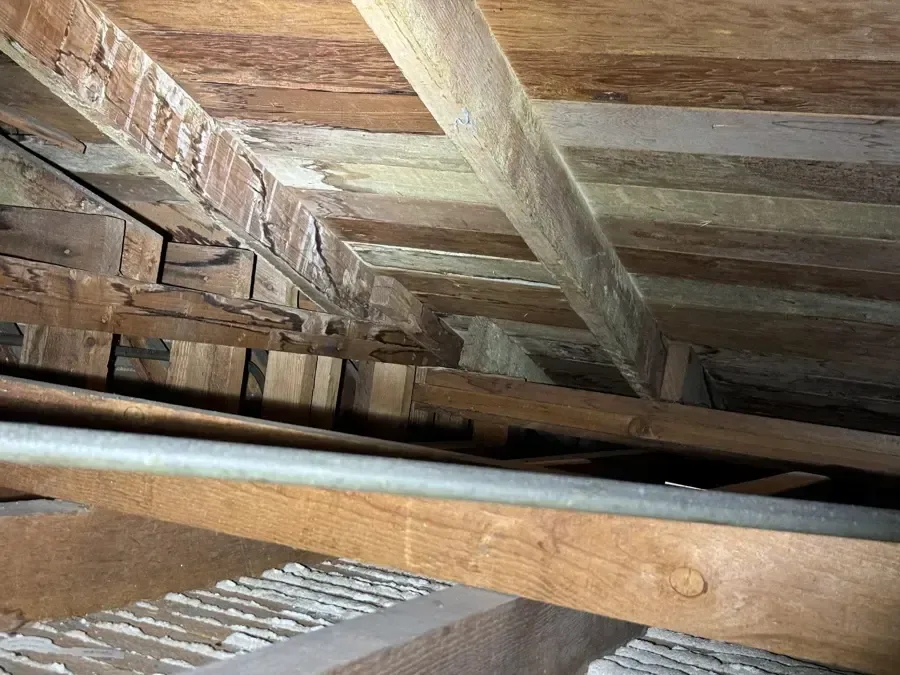
Roof Leak Water Damage in Maywood
Rain entering above a room may wet roof decking and insulation long before the ceiling changes. Interior recovery needs a roof repair plan and access to the materials along that hidden water path.
(888) 471-9821Discuss rain above the roomHow roof leak water damage is handled in Maywood
Roof leak restoration treats the interior damage left by rain entering the building. Assessment links roof access, attic conditions and room finishes so retained construction receives drying after the entry point is addressed.
First steps for roof leak water damage
- 1
Observe rain entry from indoors
Note which area becomes wet and whether dripping changes during rainfall. Avoid roof access and do not step onto unsupported overhead construction to investigate.
- 2
Keep fragile finishes protected
Identify delicate trim, stored belongings and surfaces beneath the leak. Move reachable dry items only when the ceiling is stable and the access route remains outside wet electrical areas.
- 3
Arrange the roof repair scope
Explain the timing of the leak to the roofing professional and retain their findings. Interior drying needs coordination with entry control so newly removed water is not immediately replaced.
- 4
Check below the drip path
Include floor coverings, wall edges and furnishings in the damage photographs. Water may have passed through several surfaces before collecting where it was first noticed in the room.
What does roof leak water damage cost in Maywood, NJ?
For Maywood roof leak interiors, planning ranges extend from $1,000 to $6,500+. Attic access, saturated insulation and connected room damage change the work. Roof repairs and replacement interior finishes should be described separately from extraction and drying.
Contained ceiling leak
- Limited overhead wet section
- Accessible material condition checks
- Focused interior drying arrangement
Attic and ceiling wet
- Wet insulation access work
- Exposed roof framing checks
- Connected ceiling damage handling
Multiple rooms affected
- Several interior drip paths
- Wider damaged finish removal
- Expanded drying and monitoring
Compare the scope with the water damage cost calculator. The restoration company prices the inspected damage, material access and equipment needs separately from source repairs, replacement finishes and contents work.
The roof leak water damage process
- 1
Establish safe attic and room access
The inspection considers ceiling stability, electrical conditions and the available attic entrance. It records roof repair status and identifies the spaces that can be examined safely before equipment or material removal is planned for the interior.
- 2
Trace moisture through overhead construction
Wet decking, framing and insulation are assessed together with the ceiling beneath them. Their condition and position determine the restoration boundary, including secondary wall or floor damage where rainwater continued through the room.
- 3
Create an effective interior drying path
Damaged or obstructive layers are removed when required, and retained construction receives a targeted equipment arrangement. The plan accounts for attic access and the need to keep airflow directed toward wet materials rather than unrelated spaces.
- 4
Confirm the interior handoff after source control
Repeat moisture readings establish progress and completion for retained materials. The record combines those findings with roof repair information so finish replacement can proceed with a clear account of the entry problem and affected interior areas.
A drip that appears only during rain can still leave damp construction between storms. Roof entry may feed water along a rafter before it drops into insulation or reaches a ceiling seam. Interior inspection should follow that route, while a roofing professional establishes how to prevent another release into the same area.
Protect the interior while roof work is arranged
The primary structure of the Romine-Van Voorhis House dates to 1780, and the Oldis-Brinckerhoff House is on Maywood Avenue. Historic buildings illustrate why access and finish choices need individual attention. At any affected property, inspect the actual roof assembly before selecting removal methods for its interior surfaces.
A homeowner should report attic access restrictions, fragile finishes and ceiling movement. Climbing onto a wet roof or crossing unsupported attic surfaces creates another hazard. Interior protection must be arranged from safe locations, with room use restricted beneath weakened finishes until the overhead condition is assessed.
- Record when dripping begins and stops during rainfall.
- Identify wet insulation visible from a safe opening.
- Keep stored belongings out of the active drip path.
- Save photographs before damaged ceiling materials are removed.
Look past the visible ceiling stain
Insulation can hold water against framing even after the room below appears dry. Its position and condition affect whether airflow can reach retained wood. An inspection should identify compressed, saturated or obstructive material and explain any removal needed to expose the assembly for effective drying.
Roof decking also needs a condition assessment. Surface discoloration and active moisture are different observations, and both should be recorded accurately. The work plan follows measured damp areas rather than assuming every visible mark requires removal or that a dry ceiling means the attic has recovered.
Keep drying separate from roof replacement
A roofer addresses the entry defect. Interior restoration removes water, evaluates affected finishes and manages moisture in retained construction. Coordinating those jobs prevents drying equipment from running beneath an unresolved opening and establishes which contractor is responsible for each remaining part of the repair.
Where rain reached an upper room, check the wall intersection and floor below the drip as well as the ceiling. Water can continue downward after leaving the attic. A complete interior scope identifies those secondary surfaces before furniture is returned or the room receives fresh paint.
Preserve the history of recurring rain entry
Dates, weather observations and photographs help distinguish a recurring wet area from a newly discovered stain. Keep that record with roof repair information and interior drying notes. If the same area becomes wet again, the team can compare locations instead of starting from an undocumented finished surface. Reconstruction should follow a stable source solution and satisfactory moisture checks in the construction that remains.
Roof leak water damage coverage
Roof leak damage assessment serves Maywood homes and business interiors with wet attic materials, stained ceilings or rain reaching upper rooms, subject to safe access conditions.
The same service nearby: roof leak water damage in Paramus, River Edge, Fair Lawn.
Roof Leak Water Damage questions
Can interior drying begin before the roof is replaced?
The work can be coordinated with an effective temporary or permanent entry solution. The key is preventing renewed wetting while interior materials are treated. A roofing professional should establish the protection needed before the drying arrangement relies on it.
Does an attic stain show how wet the wood is?
A stain records a visible change, while moisture measurements assess current dampness. Inspection considers both the mark and the material condition. Replacement or drying decisions should not rely solely on color in an old photograph or a dim attic.
Should wet insulation be covered by new ceiling board?
The cavity needs evaluation before closure. Insulation may retain water or block drying of adjacent wood. Any required removal, drying and replacement should be completed in the proper sequence so new ceiling material does not conceal unresolved moisture.
Why ask whether dripping follows wind or rain?
The timing gives the roofing inspection useful context about when entry occurs. Keep observations simple and accurate. Interior cleanup still follows the actual wet materials, including areas that stay damp after the weather changes and visible dripping stops.
Can stored attic boxes remain during drying?
Dry boxes may need relocation to provide safe access and airflow. Wet contents require separate assessment based on condition and contamination. Avoid moving items across unsupported surfaces; the access plan should establish how storage can be handled safely.
What records help the finish contractor?
Provide photographs of opened areas, the source repair status and final moisture findings. Identify removed insulation or trim and any unfinished repairs. That information helps reconstruction address the affected assembly instead of merely covering the original ceiling mark.
Restore the interior after roof entry is controlled
Measured drying and a clear repair handoff help protect the next ceiling finish from concealed moisture.