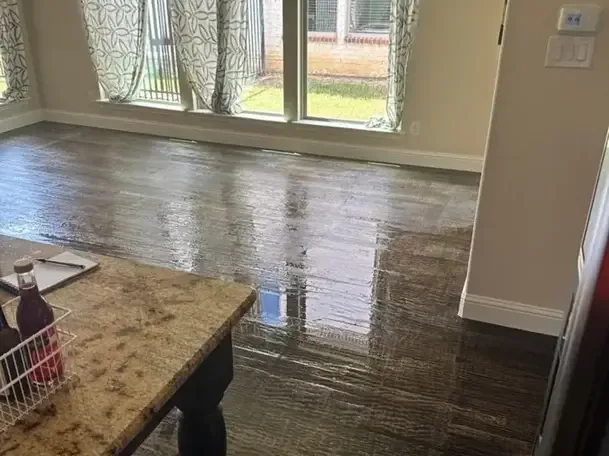
River Edge Appliance Leak Cleanup
A damp cabinet toe or wet washer corner can be the first sign of a concealed release. River Edge appliance cleanup traces the source before treating the adjoining floor and cabinet materials.
(888) 471-9821Describe the appliance area moistureHow appliance leak water damage is handled in River Edge
Appliance water damage work separates the failed connection or equipment from the materials already wet. Cleanup addresses supply or discharge water, hidden floor layers and affected cabinetry after the source is safely controlled.
First steps for appliance leak water damage
- 1
Pause the suspect appliance
Avoid another wash or rinse cycle while the release is unexplained. Continued operation can spread water beneath finishes and obscure the wet boundary during assessment.
- 2
Leave unsafe connections untouched
Do not reach behind wet equipment or handle electrical connections in damp conditions. Explain the appliance position and visible water so safe isolation and movement can be coordinated.
- 3
Check nearby finish changes
Look from a dry area for raised flooring, softened cabinet edges or wet trim. These signs help describe concealed spread beyond the obvious appliance footprint without dismantling the room.
- 4
Keep the event details together
Note the cycle or activity underway when water appeared and any repair findings. Those details help separate source diagnosis from the cleaning and drying needed for surrounding building materials.
What does appliance leak water damage cost in River Edge, NJ?
River Edge appliance leak cleanup planning ranges from $700 to $1,600 for open floor water, $1,600 to $3,300 for cabinet or floor spread, and $3,300 to $5,000+ when several assemblies become wet.
Open floor release
- Reachable pooled water
- Simple appliance access
- Localized surface treatment
Cabinet or floor spread
- Concealed edge assessment
- Layered flooring access
- Cabinet moisture tracking
Several assemblies wet
- Connected room exposure
- Expanded material removal
- Broader drying arrangement
Compare the scope with the water damage cost calculator. The restoration company prices the inspected damage, material access and equipment needs separately from source repairs, replacement finishes and contents work.
The appliance leak water damage process
- 1
Identify equipment and water conditions
The assessment records the appliance, suspected source and whether the release involved supply or used water. These findings shape safe handling and coordinate repair attention with the inspection of affected cabinets, floors and adjoining finishes.
- 2
Reach the concealed spill footprint
Safe appliance movement and selective access expose water beneath or behind the unit where needed. The inspection follows floor seams and cabinet bases to establish the removal and cleaning boundary beyond the first visible puddle.
- 3
Treat retained finishes according to condition
Cleaning addresses residues while damaged porous layers are evaluated for removal. Retained cabinet components and flooring receive targeted drying, with measurements checking whether restricted spaces beneath fixed elements are responding to the equipment arrangement.
- 4
Coordinate equipment return and remaining repairs
Closing records describe the dry condition reached and identify finish damage still requiring repair. Appliance placement should preserve necessary access until the affected footprint is ready, keeping the equipment fix and the room restoration clearly connected.
A puddle beside a dishwasher does not identify the failed component by itself. River Edge appliance cleanup begins by locating the source and deciding how the released water should be handled. A hose connection, appliance discharge and water arriving from an adjacent space can wet similar floor edges while requiring different source work.
Check the source before assigning the blame
January 2, 2018: CBS reported a defective newly installed digital water meter at a home on Voorhis Avenue. Source investigation also matters during an indoor leak: visible damage, appliance operation and plumbing findings need to be considered together before the cleanup area and repair tasks are defined.
At a Cherry Hill home, water beneath a washer may travel under a wall or across a floor seam before it becomes visible. The inspection should include the appliance footprint, nearby connections and the first affected surfaces beyond it. Deliberately running a suspect appliance can enlarge the damage.
- Stop appliance use until the release is assessed.
- Identify whether the water came from supply or discharge.
- Check cabinet bases and adjoining floor transitions.
- Coordinate safe appliance movement with the appropriate trade.
Look beneath the cabinet face
A dry cabinet door can conceal a swollen base or wet floor underneath. Water may collect behind a toe panel and remain inaccessible to ordinary wiping. Inspection should identify what can be opened safely and whether the cabinet material is still sound enough to retain.
For a Greenway Terrace property, the practical scope depends on the installed kitchen or laundry arrangement. Fixed cabinetry can interrupt airflow, and layered flooring may carry water beyond the visible puddle. Selective access should reveal the affected surfaces while avoiding unnecessary disturbance of dry adjacent finishes.
Match cleaning and drying to the released water
Water from a supply connection and used appliance discharge need separate exposure assessments. Residues can remain in floor joints after liquid removal. Cleaning and material decisions come before the drying setup, especially where absorbent backing or cabinet components were directly contacted by dirty discharge.
After source repair, measurements help determine whether the floor and cabinets are improving together. A damp underlayer can lag behind a dry-looking surface. Where wooden boards change shape, hardwood floor assessment can address the condition of the complete wood assembly.
Keep replacement equipment from closing off wet areas
The appliance may be ready to return before the space beneath it is ready to be concealed. Coordinate placement with the drying record and access needs. The final scope should distinguish the repaired machine from cabinet damage, floor treatment and any finish replacement still required around its footprint.
Appliance leak water damage coverage
Appliance damage assessments cover homes around Voorhis Avenue, Cherry Hill and Greenway Terrace, with inspection access shaped by the appliance position and surrounding cabinets or flooring.
The same service nearby: appliance leak water damage in Paramus, Oradell, Maywood.
Appliance Leak Water Damage questions
Should the appliance be run again to find the leak?
Avoid deliberately recreating an uncontrolled release. Record the activity underway when water appeared and arrange source testing through the appropriate trade. Cleanup can use those observations to focus inspection without adding water to already affected finishes.
Can cabinets look normal while their bases are wet?
Yes. The visible face can dry while concealed bases or the floor beneath retain moisture. Inspection at accessible edges and material readings help determine whether selective opening or additional drying is needed behind the finished cabinet surface.
Is dishwasher discharge handled like fresh supply water?
The exposure assessment differs because used water can contain residues. Cleaning requirements and decisions about porous layers should reflect what contacted the materials. Drying equipment should fit that handling plan rather than being placed solely around the puddle.
Will the whole kitchen floor need replacement?
That depends on the flooring assembly, damage and ability to dry retained layers. Localized access may be possible, while swelling or trapped contaminated moisture can broaden removal. The estimate should explain the specific condition supporting each decision.
Can a repaired washer go straight back into place?
Placement should be coordinated with the condition of the floor and wall behind it. Concealing a wet footprint can restrict drying access. Measurements and inspection help determine when equipment can return without interrupting the remaining restoration work.
What should be photographed before cleanup?
Capture the water boundary, appliance position, cabinet changes and affected floor seams from a safe location. Include any source repair findings afterward. These records help connect the initial release with the removal, drying and finish repair scope.
Recover the space around the repaired equipment
Source testing, selective access and material readings keep hidden cabinet and floor moisture within the cleanup plan.