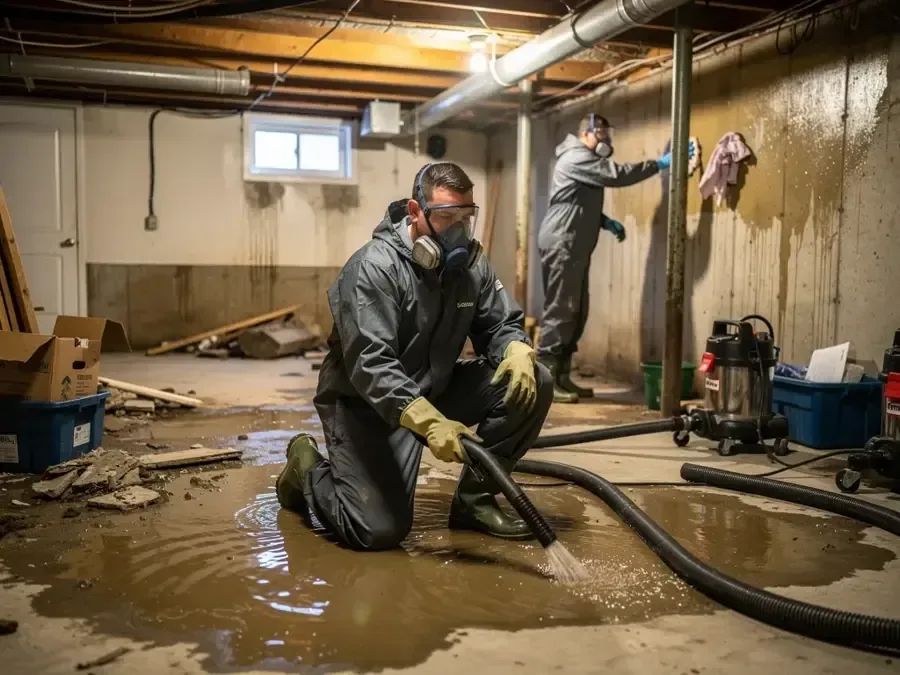
Storm Flood Cleanup in Oradell
Mud at the doorway signals a cleanup problem beyond a wet floor. Storm flooding requires a safe entry decision, separation of affected belongings and a plan for contaminated building materials.
(888) 471-9821Plan recovery from flood entryHow storm flood cleanup is handled in Oradell
Storm flood cleanup removes outside water and debris, evaluates contacted contents and exposes surfaces that need cleaning. Drying follows the removal and cleaning decisions appropriate to the water and the affected building assemblies.
First steps for storm flood cleanup
- 1
Wait for safe entry conditions
Remain outside areas with uncertain structural or electrical conditions. A property that looks accessible from the door can still contain submerged hazards that need professional assessment before cleanup starts.
- 2
Keep a clean staging area
Choose an unaffected location for essential belongings and project records. Avoid placing wet furniture, flood debris or used cleaning equipment in that space while access arrangements are being developed.
- 3
Document from reachable dry ground
Photograph visible water marks, damaged contents and entry points without stepping into floodwater. Record the discovery sequence and any utility or access restrictions communicated during the initial assessment.
- 4
Identify priority possessions safely
Tell the cleanup team which belongings need special attention and where they were located. Leave retrieval from wet rooms to an agreed handling plan that accounts for contamination and access.
What does storm flood cleanup cost in Oradell, NJ?
Storm flood cleanup in Oradell has planning ranges of $2,500 to $4,500 for a limited entry area, $4,500 to $8,000 for several rooms, and $8,000 to $12,000+ for deep or extensive flooding. Contamination affects handling.
Limited entry area
- Contained outside water contact
- Accessible debris removal route
- Focused surface cleaning scope
Several affected rooms
- Contents sorting across spaces
- Multiple wet material types
- Additional removal and drying
Deep or extensive flooding
- Broad contaminated building contact
- Complex access and handling
- Expanded cleanup documentation needs
Compare the scope with the water damage cost calculator. The restoration company prices the inspected damage, material access and equipment needs separately from source repairs, replacement finishes and contents work.
The storm flood cleanup process
- 1
Set the entry and work boundary
The inspection considers standing water, utilities, debris and unstable materials before establishing access. It also identifies occupied dry areas and a route for equipment, keeping the initial flood assessment connected to practical safety and handling decisions.
- 2
Remove floodwater and organize contents
Recoverable water and loose debris are removed through the planned route. Belongings are documented and separated by exposure and material, with decisions about cleaning or disposal made before contaminated items move through unaffected portions of the property.
- 3
Clean exposed retained surfaces
Damaged porous layers are evaluated for removal to reach the surfaces beneath them. Suitable retained materials receive appropriate cleaning, while concealed contact areas are checked so residue does not remain hidden inside the assembly during subsequent drying work.
- 4
Measure drying and define remaining repairs
Equipment addresses moisture in the cleaned retained materials. Recorded readings show progress and support the stopping point, while the final scope identifies replacement finishes, source-related work and any areas needing further access before reconstruction can proceed responsibly.
April 2022: Flooding damaged more than 100 homes and businesses in Oradell, with rising Hackensack River water reaching several blocks of homes. Recovery at an affected building starts outside the wet rooms. Entry conditions, utilities and the stability of soaked materials need attention before possessions or equipment move through the property.
Understand the flood route and access limits
The Oradell Reservoir Dam forms the reservoir on the Hackensack River. Pascack Brook and Dwars Kill feed that reservoir. These waterways are part of the local setting; inside a damaged building, the assessment records where water entered, what it contacted and whether it is still rising.
Assess the room beyond an open doorway before anyone steps inside to inspect the damage. Floodwater can conceal displaced objects, damaged floor coverings and electrical contact. Owners should relay observations from a dry position while the appropriate professionals determine whether entry and water removal can proceed.
- Identify the safest approach to the building.
- Keep people clear of submerged electrical equipment.
- Record visible water marks without crossing debris.
- Separate outside observations from uninspected interior areas.
Sort belongings without spreading flood residue
Floodwater can carry soil and other contaminants into furniture, shelving and wall bases. Moving those items through dry rooms can enlarge the cleanup area. A contents plan establishes where items will be documented, evaluated and handled before they leave the affected part of the building.
Washable surfaces and absorbent belongings need different decisions. Items that cannot be effectively cleaned may require disposal, while suitable hard materials can be addressed through a controlled cleaning process. Photographs and an inventory should capture the condition of affected possessions before authorized disposal occurs.
Expose the layers that need cleaning
Water marks show a useful boundary, but wet material can extend below floors or behind finishes. Inspection checks those layers so cleaning can reach contacted surfaces. A wall cavity filled with flood residue needs more than air movement across its exterior to become ready for repairs.
After debris removal and appropriate cleaning, drying targets the retained assembly. Equipment placement follows access, material thickness and measured moisture. Basement water cleanup may also be relevant when the affected area includes a lower level with utility equipment or concealed finished walls.
- Document flood contact on retained building materials.
- Keep disposal routes separate from dry storage.
- Inspect underneath affected floor coverings.
- Track cleaning and drying as separate tasks.
Keep the recovery scope tied to current conditions
August 2011: Hurricane Irene rainfall overtopped the reservoir dam and worsened flooding in the borough. Past losses make a clear recovery plan valuable, but the current property needs its own inspection. Depth, debris, occupied areas and utility access can differ from one building to another. The estimate should describe the rooms assessed, the materials contacted and any areas that remain inaccessible. That detail lets the owner understand what the initial work covers and what must be checked as the water recedes.
Storm flood cleanup coverage
Oradell flood assessments begin with current access conditions. Properties near the Hackensack River or elsewhere in the borough need room-specific observations before removal and cleaning arrangements.
The same service nearby: storm flood cleanup in Paramus, River Edge, Maywood.
Storm Flood Cleanup questions
Can belongings be brought into a dry bedroom?
Flood-contacted items should remain apart from unaffected rooms until their handling is assessed. Moving wet contents through a clean space can spread residue and moisture. A designated route and staging area help keep that work controlled.
Does muddy water require different cleanup?
Outside water can leave debris and contaminants on and inside materials. Removal, contents decisions and cleaning need to address that contact. Drying equipment alone does not remove the residue deposited beneath flooring or behind wall finishes.
Should all flood-damaged furniture be discarded?
Material and exposure determine the decision. Some items may be suitable for specialized cleaning, while others cannot be restored effectively. Photograph and inventory affected pieces before authorized disposal so their condition remains documented for the owner.
Is an old flood mark useful during inspection?
Identifying an older mark can help distinguish it from fresh damage, especially when photographs or repair records exist. Current moisture measurements and observations establish the present scope rather than assuming every visible stain belongs to the latest event.
Can drying start before debris is cleared?
The sequence depends on safe access and contamination. Flood residue and damaged material often need removal before retained surfaces can be cleaned and dried effectively. The work plan should explain that order for the affected rooms.
What should a flood cleanup record contain?
Useful records identify the entry route, contacted rooms, contents decisions, cleaning work and drying measurements. They should also state which spaces could not be inspected, allowing later access findings to be added clearly to the project scope.
Begin with safe entry and a clear scope
Arrange an Oradell flood damage assessment around the property's current water and access conditions.