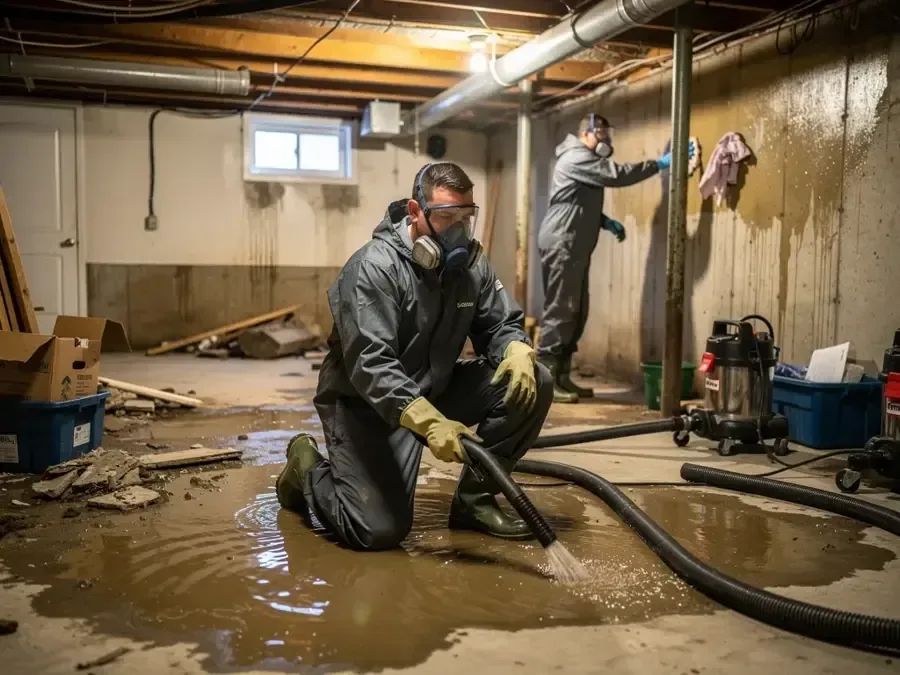
River Edge Storm Flood Cleanup
Mud at a doorway and water across a room call for more than surface drying. River Edge flood cleanup identifies the entry route, handles contacted materials and removes remaining moisture.
(888) 471-9821Describe the outdoor water entryHow storm flood cleanup is handled in River Edge
Storm flood restoration addresses the water and debris carried into a building. The response considers ongoing entry, contamination, accessible removal routes and which interior materials can be cleaned and dried after direct exposure.
First steps for storm flood cleanup
- 1
Stay clear of moving water
Avoid approaching the building through floodwater or entering rooms with uncertain electrical conditions. Describe access limitations so the assessment can account for outdoor conditions as well as interior damage.
- 2
Keep clean rooms separated
Restrict movement from muddy areas into unaffected spaces. Shoes, containers and belongings can carry residues, so leave contacted items in place until an organized handling route is established.
- 3
Photograph the observed entry
From a dry position, record where water crossed a door, window or other opening. Include sediment marks and nearby affected finishes before water removal changes the visible contact boundary.
- 4
Report whether entry continues
Explain if the water is still rising, returning or receding. The removal plan needs that information to coordinate equipment use with the practical control of continued outdoor entry.
What does storm flood cleanup cost in River Edge, NJ?
River Edge storm flood cleanup planning runs $2,500 to $4,500 for limited entry, $4,500 to $8,000 for several affected rooms, and $8,000 to $12,000+ for deep or extensive flooding. Contamination and access shape the work.
Limited entry area
- Defined water boundary
- Localized sediment removal
- Accessible surface cleaning
Several affected rooms
- Connected contaminated finishes
- Broader material handling
- Multiple drying positions
Deep or extensive flooding
- Complex removal access
- Extensive porous losses
- Expanded cleaning scope
Compare the scope with the water damage cost calculator. The restoration company prices the inspected damage, material access and equipment needs separately from source repairs, replacement finishes and contents work.
The storm flood cleanup process
- 1
Establish a workable entry and contact map
Inspection considers the building approach, electrical conditions and observed water route. The affected surface map helps identify the removal area and distinguishes spaces that need contamination controls from rooms that can remain outside the dirty work boundary.
- 2
Extract water and handle exposed materials
Collected water and sediment are removed using methods appropriate to the conditions. Porous finishes and belongings are assessed for retention or removal, with handling routes arranged to keep residues from being carried through clean portions of the building.
- 3
Clean retained surfaces before drying them
Accessible surfaces receive cleaning suited to their material and exposure. This stage includes floor edges and other places where debris accumulates, preparing the retained assembly for a drying approach that supports the overall contamination-control plan.
- 4
Track moisture and define the repair handoff
Material readings show how the cleaned structure responds to equipment. Final notes identify retained assemblies, removed finishes and remaining repair needs, giving the next stage a clear account of the flood contact area and the condition achieved during restoration.
Outdoor water can leave grit under a threshold long after the puddle recedes. River Edge storm flood cleanup examines the entry opening and the surfaces contacted along the indoor route. The Hackensack River is part of the borough's geography, while Walden Pond lies on the borough side of Van Saun County Park. A property's cleanup scope follows the water that actually entered it.
Distinguish active entry from water already inside
A doorway, low window or another opening may continue admitting water while the affected room is being assessed. Removal needs to account for that ongoing entry and safe access around the building. Electrical equipment, unstable finishes and changing outdoor conditions can limit when the interior is reachable.
At a North Hackensack property, the first useful description is the observed route: where water crossed the building boundary and which rooms it reached. Photographs from a dry location help preserve sediment marks and contact boundaries before extraction or cleaning removes those visible clues.
- Keep household traffic away from muddy indoor areas.
- Identify an entrance that avoids the affected water.
- Separate untouched belongings from contacted porous items.
- Describe continued entry before arranging equipment access.
Remove sediment before treating the room as clean
Floodwater can carry outdoor residues into floor joints and wall bottoms. Clearing the liquid leaves those deposits behind. Hard surfaces need suitable cleaning, while directly affected porous materials require evaluation for removal. The handling plan should prevent dirty equipment and debris from crossing clean household spaces.
Floor coverings can conceal deposited grit and wet backing. Removing a covering may expose more of the affected assembly than was visible initially. Documenting that condition helps explain why the work boundary changes and which retained surfaces need cleaning before drying equipment is arranged.
Make the dry-out follow the cleaned assembly
Air movement belongs within the contamination-control plan. After removal and cleaning, retained framing and other suitable materials can be evaluated for drying. Measurements at lower walls, floor interfaces and connected cavities show where moisture remains despite the disappearance of muddy surface water.
Belongings need their own decisions rather than an automatic return to the room. A contaminated storage box or soaked upholstered item may reintroduce dirty water to a cleaned area. Where the damage is concentrated below living space, basement cleanup can address the specific access and material issues there.
Record the water boundary before it disappears
A visible stain or sediment edge can help describe which surfaces were contacted. Preserve that information safely, along with the observed entry point and any changes after rain eased. The assessment then connects removal, cleaning and drying to a defined area instead of treating an entire building as though every room had the same exposure.
Storm flood cleanup coverage
Flood cleanup assessments extend to North Hackensack and properties near Grand Avenue and Brookside Park, with access determined by current conditions around the building entrance.
The same service nearby: storm flood cleanup in Paramus, Oradell, Maywood.
Storm Flood Cleanup questions
Can outdoor floodwater be treated like a supply spill?
The source and contacted materials affect handling. Outdoor water can carry sediment and contaminants into the building, so removal and cleaning need to be planned before ordinary air movement begins or exposed belongings return to clean rooms.
Does proximity to water determine the cleanup scope?
The work follows the entry route and actual material exposure at the property. Observed water boundaries, sediment and moisture readings establish the affected area and the required treatment of each room and assembly.
Should muddy carpet be dried in place?
Directly contacted carpet and backing need contamination assessment. Surface drying cannot remove deposited residues from concealed layers. The material decision should explain whether removal is needed to clean and dry the supporting floor properly.
What if outdoor water has already drained away?
Remaining sediment, damp finishes and hidden moisture still need attention. Photograph visible contact marks and describe the original extent. The assessment can then identify cleaning needs and wet assemblies even when no standing water remains.
Can belongings be sorted during extraction?
Sorting can occur within a coordinated handling plan, but uncontrolled movement spreads dirty water. Keep untouched items separate, photograph damaged possessions safely and let the work boundary determine where exposed objects are evaluated and stored.
When can replacement finishes be installed?
Installation follows source management, necessary cleaning and suitable drying of the retained assembly. The repair handoff should include material condition records so new coverings do not conceal moisture or residues left beneath the original finishes.
Clean the contact area before rebuilding
Removal, surface treatment and moisture tracking create a documented starting point for replacing damaged interior finishes.