River Edge Water Extraction
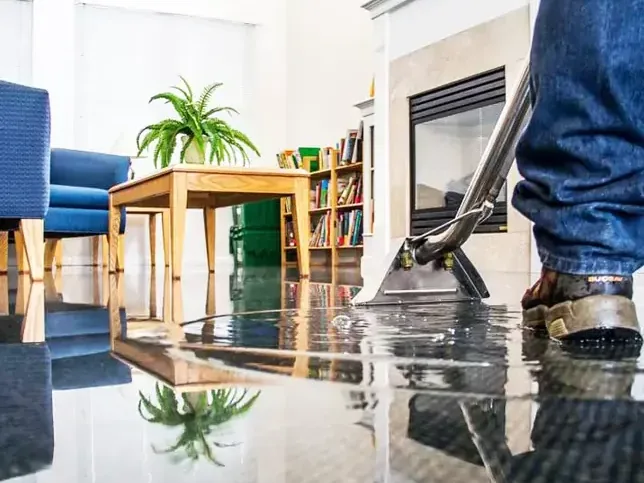
A room full of water needs a safe removal route before equipment enters. River Edge extraction work addresses the visible accumulation and the wet floor assemblies it leaves behind.
(888) 471-9821Discuss the pooled waterHow water extraction is handled in River Edge
Extraction removes water that can be collected from floors and absorbent surfaces. The next decisions concern contamination, material condition and moisture still held beneath finishes after the visible pool has gone.
First steps for water extraction
- 1
Stay outside unsafe water
Avoid entering a wet space with exposed electrical equipment, uncertain power conditions or a damaged ceiling. Access should be established before anyone carries equipment or belongings through it.
- 2
Stop an accessible source
If the supply shutoff can be reached from a dry position, stopping the release limits further spread. Leave difficult plumbing access and damaged equipment to the appropriate trade.
- 3
Capture the original extent
Photograph room edges and connected openings from a safe location. Note the apparent source and whether water crossed into adjoining spaces before any extraction changes the visible boundary.
- 4
Describe equipment access
Explain the entrance, stairs and floor coverings when discussing removal. Mention heavy objects or contaminated water so the setup can account for handling and a clean passage.
What does water extraction cost in River Edge, NJ?
River Edge extraction planning ranges from $600 to $1,400 for surface pooling, $1,400 to $3,200 for saturated rooms, and $3,200 to $4,500+ for deep or dirty water. Material access affects the final scope.
Surface pooling
- Reachable floor water
- Simple hose routing
- Initial edge measurements
Saturated rooms
- Absorbent surface extraction
- Connected room assessment
- Broader equipment setup
Deep or dirty water
- Special handling needs
- Contamination control measures
- Expanded removal effort
Compare the scope with the water damage cost calculator. The restoration company prices the inspected damage, material access and equipment needs separately from source repairs, replacement finishes and contents work.
The water extraction process
- 1
Determine what entered the room
The assessment separates the release source from the water's current location. Observations of odor, sediment, contact materials and continued entry help define safe handling and whether cleaning must accompany removal.
- 2
Collect accessible water systematically
Removal progresses through reachable areas while keeping a usable exit. Floor coverings and low points receive attention as the water level changes, allowing hidden pockets and connected wet spaces to become easier to inspect.
- 3
Measure what extraction leaves behind
After surface collection, readings at wall bottoms, flooring seams and surrounding materials establish the residual wet area. This stage identifies assemblies that need continued drying or selective removal to expose trapped moisture.
- 4
Document the next work phase
The resulting scope connects extraction with cleaning, material access and drying needs. Notes should distinguish cleared surfaces from assemblies still being treated, so the repair decision follows the condition of the building rather than appearance.
On May 27, 2013, a water-main break at Kinderkamack Road and Main Street caused street flooding. Inside a River Edge property today, extraction begins by identifying the present release and where it collected. A supply leak, rain entry and a drain backup each create a different removal and cleaning problem.
Choose the removal method around the room
Open floor water can be collected with equipment suited to the depth, surface and access. Carpet may hold water after the surrounding floor looks clear. Thresholds and low areas deserve attention because a thin surface layer can conceal a larger amount held in backing or underlayment.
Equipment also needs a safe path into the building. At a home in Cherry Hill, an interior stairway might control the setup; another property may offer direct access to the affected room. The actual entrance and electrical condition matter more than the room's appearance from the doorway.
- Identify whether fresh water is still entering.
- Keep hoses clear of the dry exit route.
- Separate contaminated areas from unaffected household spaces.
- Check floor edges after bulk removal finishes.
Look past the water that can be collected
Extraction reduces the available water, but saturated materials release moisture more slowly. Base trim, cabinet sides and adjoining wall bottoms can stay wet after a floor is cleared. Measurements establish which assemblies require drying and which need access before equipment can reach the retained moisture.
In North Hackensack, the assessment follows the same physical evidence at the property: visible water boundaries, affected materials and comparison readings. A floor that feels firm may still have wet layers underneath. Softened surfaces or contamination can change whether a covering remains or is removed for cleaning.
Connect removal to a defined drying scope
The extraction record should describe the source, accessible wet area and conditions found after water removal. That handoff prevents a cleared room from being mistaken for a finished restoration. When underlayers remain wet, the next stage may include selective access and material drying.
Belongings also affect the work. A wet rug can retain water against flooring, and furniture feet may hide damp patches. Items should be evaluated for safe movement and protection, with dirty materials kept away from dry storage spaces while floor conditions are checked.
A smaller puddle can still need follow-through
The amount visible at discovery is only part of the cleanup scope. Water may already have traveled through a doorway or under a partition. Describe where it first appeared, where it stopped and whether the source has been controlled. Those observations help the assessment connect surface extraction with the concealed areas that need attention afterward.
Water extraction coverage
Removal planning covers Cherry Hill and North Hackensack properties, with equipment access based on the entrance, affected level and condition of the wet floor.
The same service nearby: water extraction in Paramus, Oradell, Maywood.
Water Extraction questions
Can a household vacuum remove the water?
Equipment must suit the water and electrical conditions. An ordinary household vacuum should not be used for liquid collection. Deep water, contamination or uncertain power requires an assessed removal method and safe access before work begins.
Is extraction enough for soaked carpet?
Not always. Carpet backing, pad and the supporting floor can retain moisture after surface extraction. Their condition and the water source determine whether additional extraction, removal or drying is appropriate for the complete assembly.
Does the water depth decide the whole price?
Depth influences removal effort, but access, contamination and absorbent materials also matter. A shallow spill across several layered floors may require more follow-up than a deeper accumulation on a reachable surface with little concealed spread.
What if water keeps returning after removal?
A continuing source needs attention before drying can hold its progress. Describe when the water returns and where it appears. Source control may involve plumbing or exterior entry work alongside the interior cleanup plan.
Should wet rugs be moved immediately?
A small uncontaminated rug may be movable once the route is safe, but saturated rugs can be heavy and drip through clean rooms. Handling should protect the underlying floor and prevent spreading dirty water elsewhere.
When can a cleared room be used again?
Use depends on the remaining hazards, contamination and drying setup. Hoses, damp materials and opened assemblies can restrict access even after standing water is gone. The work plan should identify which spaces can be occupied safely.
Clear the surface and assess what remains
Water removal starts the recovery; measurements identify the floor and wall materials that still need attention afterward.